
Custom design system cost can range from a few thousand dollars for a starter foundation to more than $100,000 for a full product system. The final price depends on scope, component count, coded libraries, documentation, accessibility requirements, and the level of adoption support your team needs. Understanding these cost drivers helps you set a realistic budget instead of comparing disconnected project quotes.
A small audit or roadmap may cost $500 to $12,000, while a professional foundation commonly falls between $20,000 and $45,000. Larger systems with comprehensive components, Storybook, governance, and team enablement typically reach $45,000 to $120,000. The right investment is the one that reduces inconsistency and rework without adding complexity your product does not need.
Key Takeaways
- Custom design system costs range from about $500–$12,000 for an audit or roadmap, $5,000–$20,000 for a starter system, $20,000–$45,000 for a professional foundation, and $45,000–$120,000 or more for a full product system. Enterprise, multi-platform programs can exceed $120,000 and reach $500,000 or more.
- The main cost drivers are component count and complexity, design-versus-code coverage, platform support, accessibility testing, documentation, migration, governance, and team adoption support. Clarify these deliverables and responsibilities before comparing project quotes.
- Budget for ongoing maintenance and implementation, which may cost approximately $2,000–$30,000 per month. Training, migration, governance, documentation updates, accessibility audits, and contribution workflows are essential to sustaining adoption and value.
- Start with an audit or roadmap and phase the investment around high-use components and measurable goals such as faster delivery, fewer inconsistencies, reduced rework, and improved accessibility. The best system is appropriately scoped to the product’s needs, not simply the largest or most comprehensive option.
Introduction To Custom Design System Cost
A custom design system is a digital product system that creates a shared foundation for designing and building consistent experiences. It typically includes design tokens, reusable Figma components, coded components, documentation, accessibility guidance, contribution rules, governance, and support for team adoption. Unlike a brand identity guide, it connects design decisions directly to product development and ongoing maintenance. The result is a working product asset, not simply a collection of visual standards.
Custom design system cost varies significantly based on scope, platform coverage, team size, and implementation depth. An audit or roadmap may cost approximately $500 to $12,000, while a starter system with tokens, Figma foundations, and 20 to 50 core components commonly falls between $5,000 and $20,000. A professional foundation can range from $20,000 to $45,000 when it includes component states and documentation. A full product system with coded libraries, Storybook, comprehensive documentation, and adoption support may cost $45,000 to $120,000. These ranges reflect typical U.S. market budgets and can shift based on product complexity and delivery expectations.
The biggest cost differences usually come from the amount of engineering and organizational support the system requires. Supporting one platform with a focused component library is less involved than covering web, mobile, multiple frameworks, and several product teams. Accessibility audits, responsive behaviors, testing, migration from legacy components, governance meetings, and training can also add substantial effort. Before comparing proposals, clarify which deliverables, platforms, maintenance responsibilities, and adoption milestones are included so the quoted price reflects the complete system rather than only its initial design library.
Custom Design System Pricing Tiers
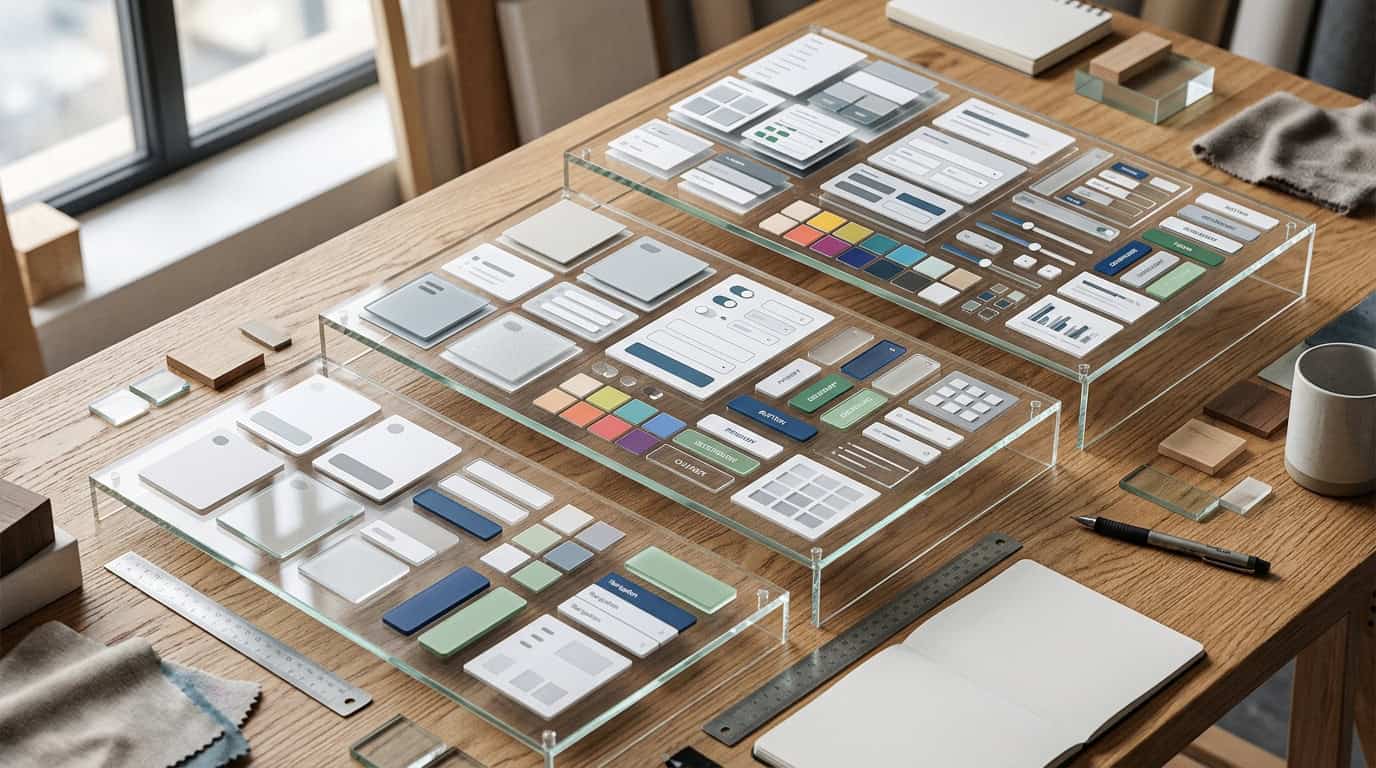
A custom design system audit or roadmap typically costs $500 to $12,000 and takes one to four weeks. This tier usually covers a review of existing Figma files, coded UI, design patterns, accessibility gaps, and opportunities for consolidation, followed by an inventory and prioritized implementation plan. A starter system generally ranges from $5,000 to $20,000 over four to eight weeks and includes design tokens, Figma foundations, and approximately 20 to 50 core components. A small team of one designer and one front-end developer often delivers this type of system, making it a practical option for a startup or focused product team.
A professional foundation usually costs $20,000 to $45,000 and takes roughly four to eight weeks. In addition to tokens and a core Figma library, this tier commonly includes component states, usage guidance, accessibility considerations, and light documentation. A designer, developer, and product or UX lead typically contribute to key decisions. A full product system falls between $45,000 and $120,000 and usually requires 10 to 18 weeks. Deliverables may include a comprehensive component library, coded components, Storybook, detailed documentation, contribution rules, and adoption support across several product areas.
Enterprise and multi-platform work starts around $120,000 and can exceed $500,000 when the system must support multiple brands, products, technologies, or operating systems. These programs often involve a dedicated cross-functional group of designers, front-end engineers, accessibility specialists, technical writers, product managers, and governance leads, with timelines ranging from several months to more than a year. The final custom design system cost depends on component count, platform coverage, migration requirements, research depth, and the level of ongoing enablement required. Treat these ranges as planning benchmarks rather than fixed quotes, since complex integrations, legacy code, and organizational adoption can substantially expand the scope.
Custom Design System Cost Drivers
Custom design system cost rises with the number of components, states, and use cases the system must support. A small starter library with core buttons, forms, navigation, spacing, color, and typography is less expensive than a comprehensive system covering data tables, charts, complex workflows, and responsive behaviors. Design token complexity also matters, especially when themes, semantic tokens, dark mode, or multiple brands are involved. Coded library development, Storybook documentation, accessibility audits, and testing add engineering and content effort beyond the initial Figma work. Platform coverage for web, iOS, Android, or multiple frameworks can further increase the budget because each environment may require separate components and implementation guidance.
The scope typically falls into three cost tiers: a design-only system may cost roughly $5,000 to $45,000, a design-and-code system often ranges from $45,000 to $120,000, and a fully operational system can exceed $120,000 when training, migration, governance, and adoption support are included. Design-only work generally covers tokens, foundations, reusable Figma components, and usage guidance. A design-and-code system adds a maintained component library, Storybook, testing, and developer documentation. A fully operational system extends further with contribution workflows, release processes, ownership roles, accessibility audits, and hands-on team enablement. These estimates vary by team location, product complexity, and whether an existing library can be audited and upgraded instead of rebuilt.
Migration and long-term governance often determine whether the initial estimate remains realistic. Updating existing product screens, replacing inconsistent patterns, and supporting branding variations can require substantial design and engineering time, particularly across several products or teams. Ongoing governance also covers versioning, change approval, contribution reviews, documentation maintenance, and adoption measurement. Training sessions, office hours, and implementation support increase the upfront investment but can reduce duplicated work and improve adoption. For a more accurate custom design system cost, define the component inventory, platforms, accessibility target, migration scope, and level of ongoing support before comparing proposals.
Design System Maintenance And Implementation Costs
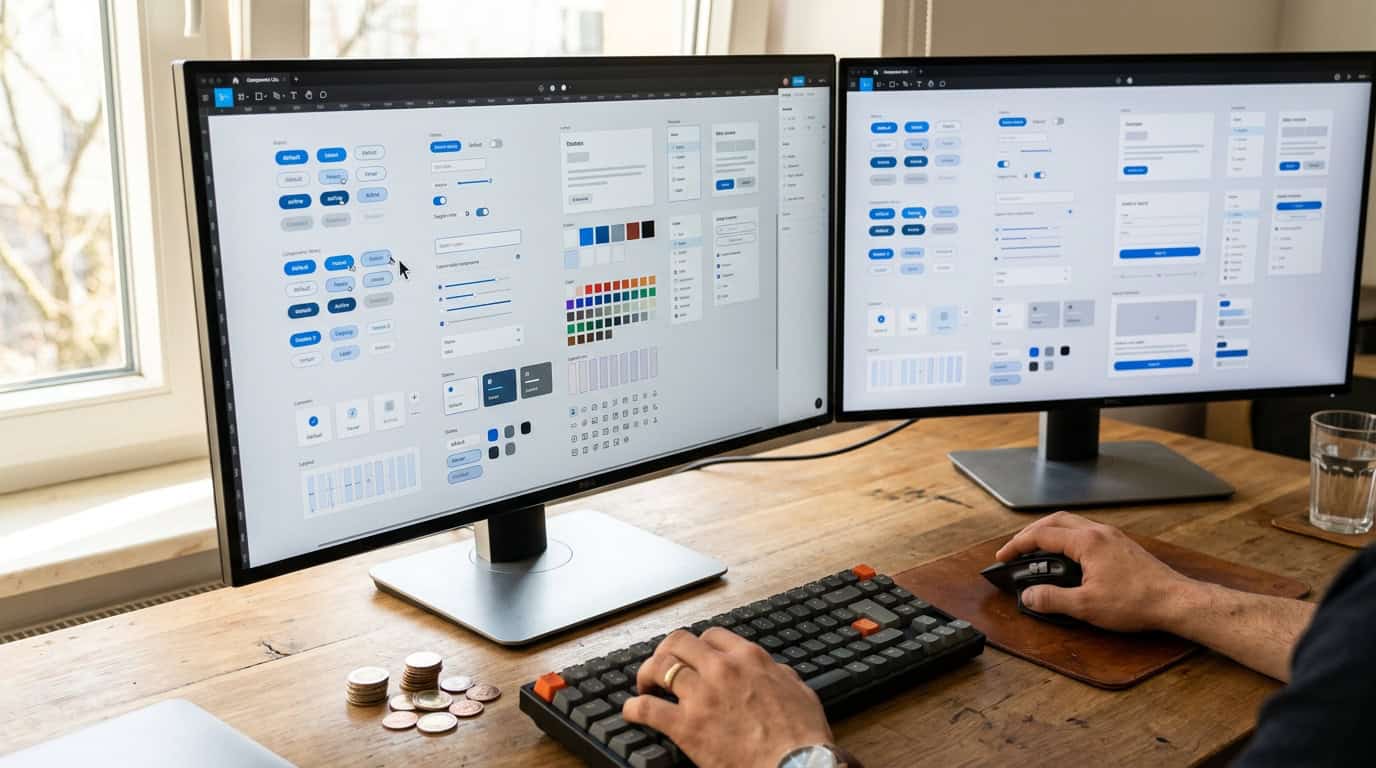
Custom design system cost does not end when the initial components are delivered. Most teams should plan for approximately $2,000 to $30,000 per month in ongoing maintenance and implementation, depending on product size, release frequency, and the number of platforms supported. This recurring budget can cover component updates, technical support, accessibility and quality audits, documentation, governance meetings, and enhancements for new product requirements. Without consistent maintenance, components can become outdated, adoption can decline, and product teams may create inconsistent workarounds.
The initial budget should also account for the effort required to move existing products onto the system. Migration often involves replacing legacy patterns, updating production code, resolving visual differences, and coordinating releases across teams. Training helps designers and developers use the library correctly. Contribution workflows, review standards, and governance roles are equally important because they determine how new components are proposed, tested, approved, and maintained. Treating these activities as unexpected add-ons can make a system appear less effective when the real issue is incomplete implementation planning.
Adoption measurement gives stakeholders a practical way to evaluate whether the investment is producing results. Teams can track usage of approved components, accessibility improvements, design and development cycle time, duplicate patterns retired, and support requests over time. These measures help prioritize maintenance work and reveal where additional training or documentation is needed. Including migration, enablement, contribution processes, and measurement in the original custom design system cost creates a more accurate total budget and supports sustainable value after launch.
Building A Custom Design System Budget
A realistic custom design system cost estimate starts with business goals, not a component count. Define whether the system should speed product delivery, improve consistency across teams, support multiple brands, reduce accessibility risk, or lower long-term maintenance costs. Next, audit existing Figma files, code libraries, design tokens, documentation, and product patterns to identify what can be reused rather than rebuilt. List the required foundations, components, states, templates, documentation, governance processes, and accessibility coverage. Then choose the platforms and tools the team will support, such as Figma, a coded component library, and Storybook. Clarify which work belongs to internal designers and engineers and which responsibilities require external specialists.
Request comparable proposals using the same scope, assumptions, milestones, and acceptance criteria so the quotes can be evaluated fairly. Current U.S. planning benchmarks often place an audit or roadmap around $500 to $12,000, a starter system around $5,000 to $20,000, a professional foundation around $20,000 to $45,000, and a full product system around $45,000 to $120,000, depending on complexity and team involvement. A useful proposal should explain exactly what will be delivered, when each phase will be completed, who owns the source files and code, and how accessibility will be tested across components and documentation. It should also specify post-launch support, training, maintenance, governance, and the assumptions that could change the final price.
The lowest quote is not necessarily the best value if it excludes coded components, edge cases, contribution guidance, or adoption support. Compare proposals based on deliverable completeness, timeline realism, ownership terms, accessibility coverage, support period, and the provider’s approach to integrating with your existing workflow. Ask each provider to connect the work to measurable outcomes, such as faster delivery, fewer interface inconsistencies, higher component reuse, reduced accessibility defects, or improved release predictability. A quote that makes those outcomes measurable gives stakeholders a stronger basis for approving the custom design system cost and assessing its return over time.
Conclusion On Custom Design System Cost

Custom design system cost typically ranges from $5,000 to $20,000 for a starter system with design tokens, Figma foundations, and 20 to 50 core components. A professional foundation generally costs $20,000 to $45,000 and may add component states, stronger documentation, and a more complete design library. A full product system with coded components, Storybook, accessibility guidance, governance, and comprehensive documentation can reach $45,000 to $120,000. These ranges reflect U.S. market pricing and vary with the number of products, platforms, components, and teams involved.
The right budget depends less on the label “custom” and more on the system’s scope and intended level of adoption. A library used by one product team will cost less than an enterprise system supporting multiple products, engineering teams, and contribution workflows. Adoption also affects the investment because training, documentation, governance, and ongoing maintenance are essential to turning reusable assets into consistent product development practices. Treat the initial build as a foundation, with future costs planned for new components, accessibility improvements, integrations, and system upkeep.
When requirements are unclear, begin with an audit or roadmap, which commonly costs about $500 to $12,000 and can identify duplicated work, component gaps, and the most valuable priorities. This step creates a clearer business case before committing to a larger custom design system cost. From there, fund the system in stages, starting with foundational tokens and high-use components, then expanding the coded library, documentation, and governance as adoption grows. A staged approach keeps spending aligned with actual component usage and evolving product needs.
Custom Design System Cost Breakdown
Custom design system cost depends on the level of structure, implementation, and ongoing support your product requires. In the U.S. market, an audit or roadmap may cost about $500 to $12,000, while a starter system commonly ranges from $5,000 to $20,000. A professional foundation typically falls between $20,000 and $45,000, and a full product system with coded components, Storybook, documentation, and governance can reach $45,000 to $120,000. These estimates provide a useful starting point, but your final budget will depend on product complexity, team size, accessibility requirements, and the number of platforms involved.
The best investment is not necessarily the system with the largest component library, but the one that solves your most expensive design and development problems. A focused starter system can reduce duplication and improve consistency, while a mature system can accelerate releases, support accessibility, and make collaboration easier across product teams. Clarify what the proposal includes, such as Figma assets, design tokens, coded components, documentation, training, governance, and maintenance. Planning for adoption and long-term ownership is essential because a system that is not maintained can quickly lose its value.
Before committing, compare providers based on deliverables, implementation experience, communication process, and measurable outcomes rather than price alone. A clear roadmap can help you phase the work, control custom design system cost, and connect the investment to improvements such as faster delivery, fewer inconsistencies, and less rework. Explore our Services to learn how we can help plan, build, and improve a scalable digital foundation.
Frequently Asked Questions
1. What is the typical cost of a custom design system?
A custom design system can cost from a few thousand dollars for a starter foundation to more than $100,000 for a full product system. A small audit or roadmap may cost $500 to $12,000, while professional foundations commonly range from $20,000 to $45,000 and comprehensive systems often reach $45,000 to $120,000.
2. What factors influence custom design system cost?
The main cost drivers are project scope, component count, design and code coverage, documentation, accessibility requirements, platform support, governance, and team adoption needs. The more complete and integrated the system, the more time is required for planning, implementation, testing, and maintenance.
3. How much does a starter design system cost?
A starter system commonly costs $5,000 to $20,000 when it includes design tokens, Figma foundations, and approximately 20 to 50 core components. This approach works well when you need a practical foundation without investing in a full coded library or extensive governance structure.
4. What does a professional design system foundation include?
A professional foundation typically costs $20,000 to $45,000 and includes structured design tokens, reusable Figma components, component states, usage guidance, and core documentation. It provides a stronger foundation for consistency and scale than a basic starter system while keeping the scope focused.
5. How much does a full product design system cost?
A full product system generally costs $45,000 to $120,000, with larger or more complex programs exceeding $100,000. This level often includes comprehensive components, coded libraries, Storybook, detailed documentation, accessibility guidance, governance, contribution rules, and team enablement.
6. Is a coded component library included in the design system price?
It is not always included, so confirm this detail before comparing proposals. A system limited to Figma components and design guidance costs less than one that also includes production-ready coded components, Storybook, testing, versioning, and ongoing maintenance.
7. Can a small business justify the cost of a custom design system?
A small business can justify the investment when inconsistent design, repeated development work, or product growth is creating measurable costs. Starting with an audit, roadmap, or focused set of high-use components lets you reduce rework without paying for complexity your team does not yet need.
8. How can you create a realistic budget for a custom design system?
Begin by defining the platforms, teams, products, component count, documentation depth, accessibility goals, and level of coded implementation you require. Separate one-time creation costs from ongoing maintenance and adoption support, then request quotes that use the same scope so you can compare them accurately.