
In 2026, financial technology has shifted from traditional digital banking to a high-stakes environment where custom security is the primary line of defense. With the average cost of a financial sector breach soaring to $6.08 million, security is no longer a post-launch checkbox but a foundational architectural requirement. As financial services face more data compromises than any other industry, the margin for error has vanished. Leaders must recognize a reality where nearly 80% of startup failures stem from compliance gaps rather than technical glitches.
The emergence of Agentic AI and an 1,100% surge in deepfake-based identity fraud have rendered outdated security protocols obsolete. Modern platforms must integrate real-time defenses against sophisticated synthetic identities while maintaining strict adherence to global regulations like DORA. Protecting sensitive assets requires a proactive shift toward automated detection and resilient infrastructure. Success depends on building trust through ironclad protection that anticipates threats before they materialize.
Key Takeaways
- Security must be treated as a foundational architectural requirement rather than a post-launch checkbox to mitigate the average $6.08 million cost of financial sector breaches.
- Traditional identity verification is obsolete; platforms must implement AI-driven biometric liveness detection to counter an 1,100% surge in deepfake-based fraud.
- Compliance with regulations like DORA is a critical survival factor, as 80% of fintech startup failures now stem from compliance gaps rather than technical glitches.
- The shift toward Agentic AI and autonomous fraud mitigation is essential for identifying and neutralizing sophisticated threats in milliseconds without human intervention.
Defeating Deepfakes With Biometric Liveness Detection
The rapid evolution of generative AI has fueled a staggering 1,100 percent increase in identity fraud attempts, making traditional photo based verification obsolete for modern fintech applications. Sophisticated attackers now use deepfake technology to bypass standard security gates, creating hyper realistic video injections that can fool human reviewers and basic algorithms alike. For financial institutions, this shift means that static identity checks are no longer a viable defense against professional fraud syndicates. Custom fintech app security must be built on a foundation of proactive detection that can differentiate between a live human and a synthetic reproduction in real time.
Integrating AI driven biometric liveness detection is the most effective way to neutralize these high tech spoofing attempts during the digital onboarding process. These advanced systems analyze micro expressions, blood flow patterns, and skin texture to ensure that the person behind the camera is physically present. By implementing passive liveness checks, developers can maintain a frictionless user experience while simultaneously verifying that no digital masks or pre recorded videos are being used. This architectural choice is essential for high budget projects that require both a seamless customer journey and the highest level of protection against account takeover attacks.
Beyond immediate fraud prevention, robust biometric liveness detection serves as a critical pillar for maintaining regulatory compliance in an increasingly scrutinized global market. As frameworks like DORA become more stringent, the ability to prove authentic user presence during high value transactions is a non negotiable requirement for avoiding massive fines. Financial services that prioritize these sophisticated security layers during the initial design phase are better positioned to withstand the rising costs of data breaches. Investing in custom security solutions ensures that your application remains resilient against the next generation of AI powered threats while building long term trust with your most valuable clients.
Achieving Regulatory Resilience Through DORA Compliance
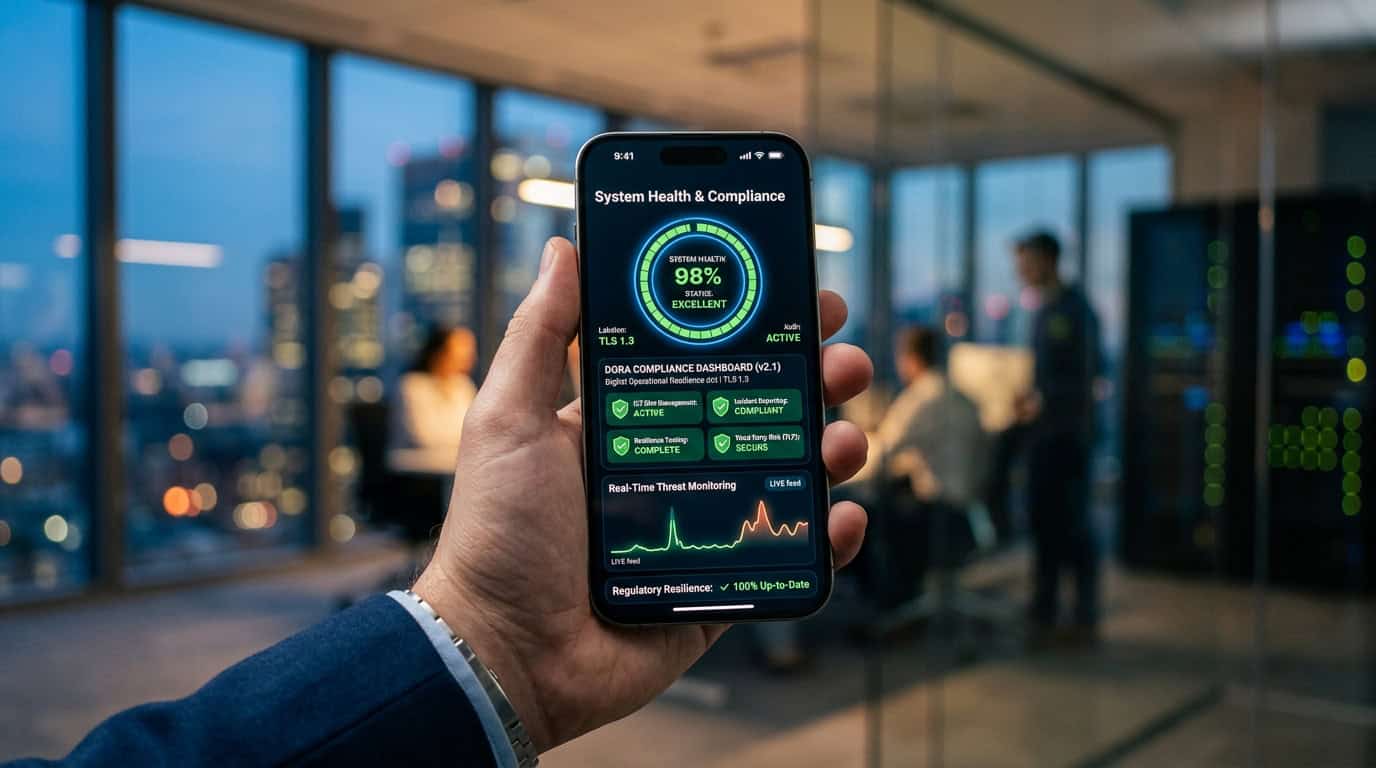
The Digital Operational Resilience Act (DORA) has fundamentally shifted the benchmark for custom fintech app security from a simple perimeter defense to a holistic ecosystem of survival. In an era where 78% of fintech startups collapse due to compliance gaps, architectural resilience is no longer an optional luxury but a core business requirement. High budget financial services must treat security as a foundational layer that governs ICT risk management, incident reporting, and digital testing protocols. By embedding these regulatory requirements directly into the application lifecycle, firms can mitigate the $6.08 million average cost associated with modern data breaches. This proactive alignment ensures that your platform can withstand, respond to, and recover from all types of ICT related disruptions.
Building for regulatory resilience requires a sophisticated approach to third party risk management and real time threat detection. As deepfake based identity fraud attempts surge by over 1,100% surge, custom fintech applications must integrate advanced biometric verification and agentic AI monitoring to satisfy DORA’s strict operational standards. It is critical to move beyond static security checklists and adopt a continuous testing framework that validates the integrity of every transaction and data exchange. This level of technical rigor demonstrates to stakeholders and regulators that your application is capable of maintaining service continuity during extreme market volatility. Investing in this level of security during the development phase effectively future proofs your product against the evolving world of global regulations like DORA.
The transition to DORA compliance serves as a powerful vetting mechanism for institutional clients who prioritize stability and long term viability. Custom fintech security strategies must account for the entire supply chain, ensuring that every integrated service meets the same rigorous resilience standards as the core application. By focusing on automated incident response and granular reporting capabilities, developers can significantly reduce the mean time to identify and contain sophisticated cyber threats. This strategic focus on resilience transforms compliance from a burdensome hurdle into a competitive advantage that attracts high value investors. Ultimately, achieving DORA alignment is about creating a trustworthy environment where innovation can thrive without compromising the security of the digital core and the global financial system.
Deploying Agentic AI For Autonomous Fraud Mitigation
The evolution of custom fintech app security has moved beyond static rulesets toward a model of autonomous oversight driven by agentic AI. Unlike traditional machine learning models that simply flag suspicious activity for human review, these intelligent agents possess the agency to investigate anomalies and execute defensive maneuvers independently. When an agent detects a pattern indicative of a deepfake identity attack or a coordinated credential stuffing attempt, it can instantly adjust risk parameters or isolate affected accounts. This shift reduces the window of vulnerability from hours to milliseconds, providing a critical shield against the 1,100 percent surge in sophisticated fraud attempts seen recently. By embedding these agents directly into the application architecture, developers ensure that security evolves at the same pace as the threats themselves.
High-budget financial projects now prioritize these autonomous systems to mitigate the staggering costs associated with data breaches and compliance failures. These agents function as a tireless digital workforce, continuously auditing transactions and user behaviors against global regulatory standards like DORA. They do not merely react to known threats but proactively hunt for architectural weaknesses and logic flaws that could lead to a compromise. This proactive stance is essential for maintaining trust, especially as the financial sector remains the most targeted industry for data compromises globally. Implementing agentic AI allows fintech firms to scale their operations without a proportional increase in manual security overhead, ensuring that growth does not come at the expense of systemic integrity.
The true value of autonomous fraud mitigation lies in its ability to provide real-time, context-aware decision making without the friction of human intervention. As deepfake-based fraud becomes more prevalent, these AI agents utilize multi-modal verification steps to confirm user identity during high-risk actions. If a transaction deviates from a user’s established behavioral profile, the agent can dynamically escalate authentication requirements or temporarily throttle API access. This granular control prevents large-scale losses while maintaining a seamless experience for legitimate users who remain unaffected by the background security protocols. For firms building modern fintech solutions, this level of sophisticated, self-correcting security is no longer an optional feature but a foundational requirement for long-term viability.
Securing The Physical Layer Against Skimming 2.0
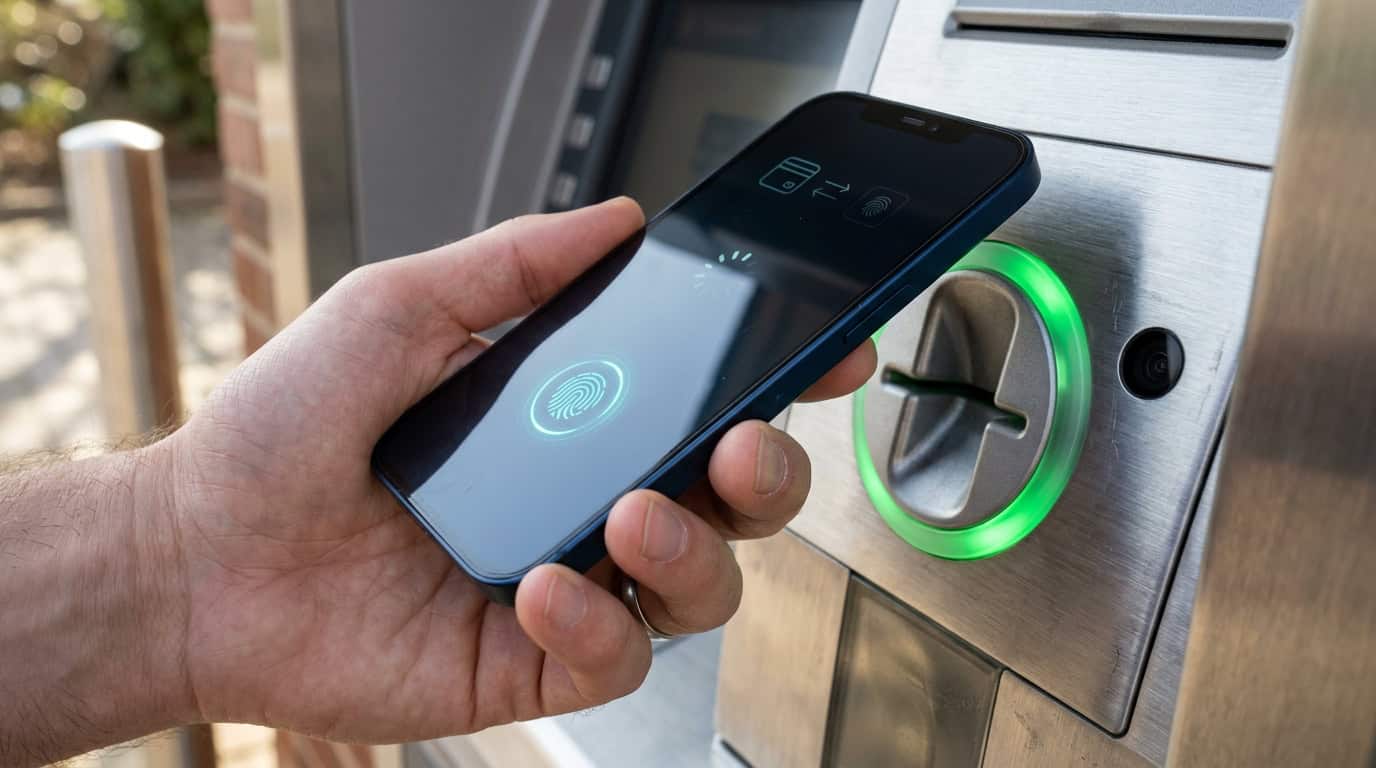
Modern financial hardware is facing a sophisticated revival of physical threats through Bluetooth enabled overlay skimmers, often referred to as Skimming 2.0. These advanced devices are nearly invisible to the naked eye and can transmit intercepted card data wirelessly to nearby attackers in real time. For high budget financial institutions, relying solely on consumer vigilance is no longer a viable security strategy. Custom fintech applications must take an active role in the physical security layer by leveraging the mobile device’s inherent hardware capabilities. By integrating low level Bluetooth scanning protocols, a secure app can identify the specific signal signatures emitted by these illicit overlays before a transaction even begins.
Integrating proactive hardware detection within a custom application provides a critical safety net that off the shelf solutions typically lack. When a user approaches a compromised point of sale terminal, the app can cross reference detected Bluetooth signals against a database of known skimmer profiles to trigger immediate warnings. This architectural approach transforms the smartphone from a passive payment tool into a sophisticated security sensor that protects the user’s physical environment. Beyond simple alerts, these applications can automatically disable NFC or card based transactions if a high risk signal is detected in the immediate vicinity. This level of technical oversight is essential for maintaining compliance with modern regulations like DORA while simultaneously building long term user trust.
The implementation of these physical layer safeguards serves as a powerful differentiator for fintech leaders during the vetting process. Demonstrating the ability to mitigate hardware level fraud shows a deep understanding of the current threat landscape, where digital and physical vulnerabilities often overlap. As deepfake identity fraud and automated AI attacks rise, securing the initial point of contact remains a foundational requirement for any robust financial ecosystem. Engineering these detection mechanisms directly into the application’s core architecture ensures that security remains a proactive feature rather than a reactive patch. Understanding the development timeline for these comprehensive strategies reduces the mean time to identify compromises and protects the institution from the escalating costs associated with modern data breaches. Achieving this level of enterprise scalability and connectivity requires a deep integration between mobile frontends and secure backend infrastructures.
Future-Proofing Your Growth Through Strategic Security
Prioritizing custom fintech app security is no longer an optional luxury but a strategic necessity for any financial institution aiming to survive in 2026. With the average cost of a breach soaring to $6.08 million, the financial stakes of a security failure can be catastrophic for both early-stage startups and established enterprises. By embedding security into the initial architecture rather than treating it as a post-launch patch, firms can effectively neutralize emerging threats like deepfake identity fraud and Agentic AI exploits. This proactive stance does more than just protect capital, as it serves as a powerful signal to investors that your platform is built on a foundation of resilience and regulatory compliance.
Meeting the complexities of global regulations like DORA requires a sophisticated technical approach that balances high performance with rigorous data protection. As compliance gaps now account for the majority of fintech failures, ensuring your underlying systems are modernized and secure is the most effective way to build long-term market trust. To ensure your platform remains resilient against these evolving threats, discover how our Modernizing Infrastructure With Professional Legacy Database Migration Services can help you transition to a more secure and scalable environment. Taking this step now will safeguard your organic revenue and provide the technical stability needed to scale your financial services with confidence.
Frequently Asked Questions
1. Why is security considered a foundational requirement for fintech apps in 2026?
Security is the primary line of defense because the average cost of a financial sector breach has reached 6.08 million dollars. It is not a post launch checkbox when data compromises occur more frequently in finance than any other industry.
2. How does deepfake technology impact modern identity verification?
Traditional photo based verification is now obsolete due to an 1,100 percent surge in deepfake identity fraud. You must implement AI driven liveness detection to differentiate between a live human and sophisticated synthetic video injections in real time.
3. What is the primary cause of fintech startup failure regarding security?
Nearly 80 percent of startup failures are caused by compliance gaps rather than technical glitches. You must prioritize strict adherence to global regulations like DORA to ensure your platform remains viable and trusted in the current market.
4. What are the benefits of integrating biometric liveness detection?
Biometric liveness detection provides a proactive defense against professional fraud syndicates using synthetic identities. It allows your custom fintech app to maintain ironclad protection while ensuring that only real users can access sensitive financial assets.
5. How has the threat landscape changed with the emergence of Agentic AI?
The rise of Agentic AI has rendered previous security protocols obsolete by enabling more automated and sophisticated attacks. You are now forced to integrate real time defenses and automated detection to anticipate threats before they materialize.
6. How can I build trust with my fintech app users today?
You build trust by shifting toward a resilient infrastructure that prioritizes automated threat detection and proactive defense. Demonstrating a commitment to protecting sensitive data against modern threats like synthetic fraud is essential for success.