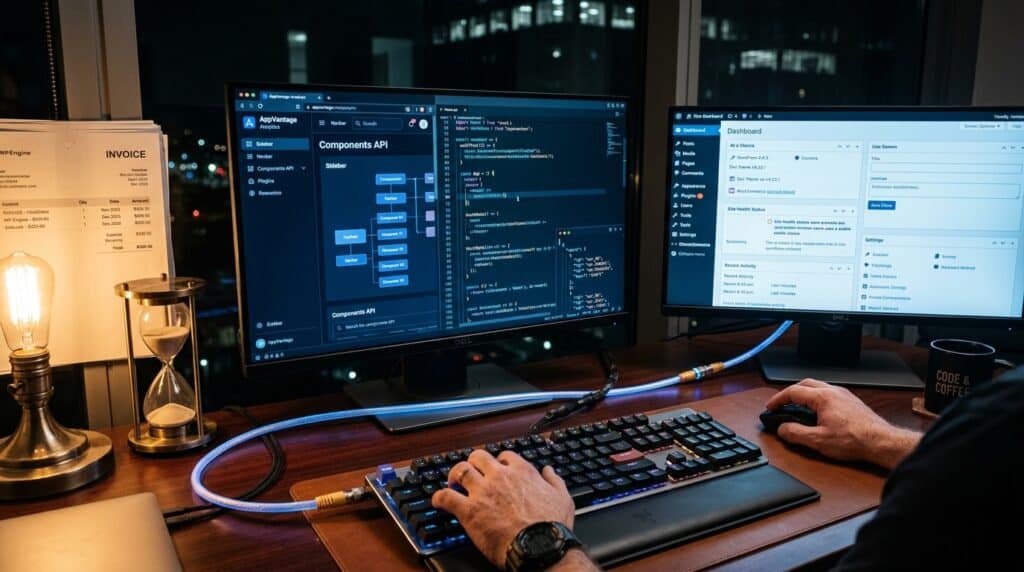
The performance and flexibility of a decoupled architecture are undeniable, but they come with a price tag that often surprises growing businesses. In 2026, the average headless WordPress maintenance cost for a small-to-medium enterprise typically ranges from $500 to $3,000 per month. This is a significant jump from the modest fees associated with traditional setups, reflecting the complexity of managing a dual-stack environment.
This premium reflects the shift from managing a single website to overseeing a sophisticated ecosystem where a WordPress backend must stay perfectly synced with a modern frontend framework. You are no longer just updating plugins; you are managing API connections, frontend dependencies, and specialized hosting environments. Understanding these recurring expenses is essential for ensuring your high-performance site remains an asset rather than a financial burden.
Key Takeaways
- Small-to-medium enterprises should budget between $500 and $3,000 monthly for headless WordPress maintenance to manage the complexities of a synchronized dual-stack environment.
- Decoupled architectures require a split-stack hosting strategy, necessitating separate budgets for a WordPress CMS backend and a high-performance frontend environment utilizing edge computing.
- Ongoing developer retainers are essential to manage ‘version drift,’ ensuring that API updates in the WordPress backend do not break the custom-coded frontend components or third-party dependencies.
- Moving to a headless setup eliminates native plugin functionality for SEO and forms, requiring significant investment in custom-built API endpoints and manual maintenance to replicate these features.
Infrastructure Costs For Split Stack Hosting
One of the most significant shifts in your monthly budget when moving to a headless architecture is the transition from a single hosting bill to a split stack infrastructure. Instead of paying one provider for a monolithic installation, you must budget for a WordPress backend to serve as your CMS and a separate high performance environment for your frontend. For small to medium businesses, this dual hosting requirement typically starts at sixty dollars and can quickly climb to several hundred dollars per month. This cost ensures that your administrative dashboard remains responsive while your public facing site benefits from the specialized deployment workflows of modern edge computing platforms.
Beyond basic hosting, maintaining a headless site requires dedicated resources for API monitoring and global content delivery. Because your frontend and backend communicate through an API, any latency or connectivity issues can lead to site failure, necessitating proactive monitoring tools that add to your monthly overhead. You must also account for CDN fees that manage the distribution of your static assets and dynamic requests across global data centers. While these services provide superior speed and security, they represent a recurring investment that is essential for keeping the two halves of your stack in perfect synchronization.
The long term financial commitment of a headless setup also includes the specialized scaling costs associated with high traffic environments. As your user base grows, the cost of API calls and bandwidth on your frontend provider can scale more aggressively than traditional shared or VPS hosting. Many organizations find that while the initial entry price is manageable, the infrastructure must be carefully optimized to avoid unexpected overage charges during peak periods. By planning for these recurring expenses early on, you can ensure that the performance benefits of a decoupled WordPress site are not overshadowed by unforeseen operational costs.
Developer Retainers For Managing Version Drift
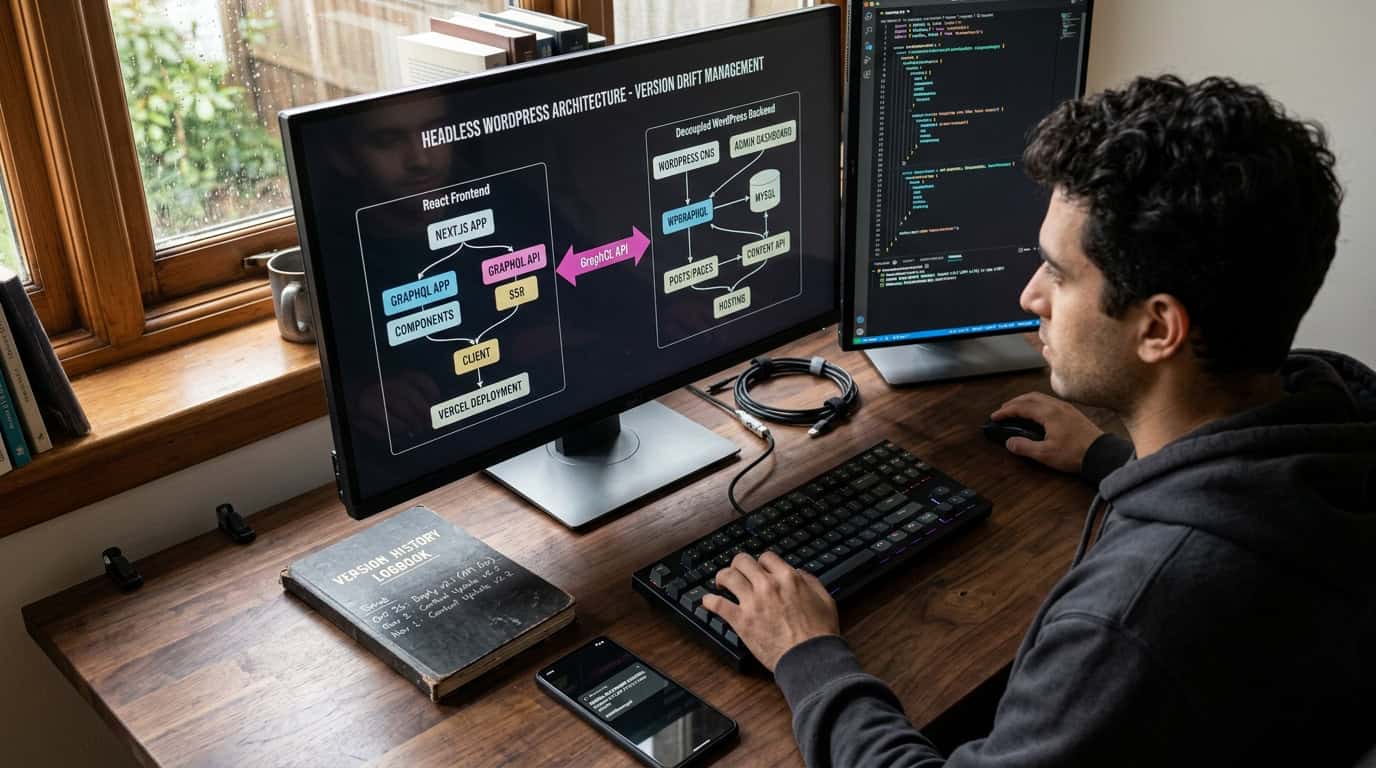
Managing a headless architecture requires a specialized development retainer because you are essentially maintaining two distinct software environments that must remain in perfect synchronization. Unlike traditional WordPress where the theme and database are tightly integrated, a decoupled setup relies on a complex bridge of APIs and webhooks. When you update a plugin or change a custom field in the WordPress backend, the API schema often shifts, which can immediately break the frontend display if not handled by a professional. This version drift is a constant risk that necessitates ongoing oversight from developers who understand both PHP for the CMS and modern JavaScript frameworks like Next.js or Astro for the head.
The long term cost of a development retainer also covers the significant burden of managing technical debt and third party dependency updates across the split stack. Modern frontend frameworks move at a much faster pace than the WordPress core, requiring frequent patches to libraries and build tools to maintain security and performance. A developer must manually audit these updates to ensure that a change in a React component does not conflict with the data being fetched from the WordPress REST API or GraphQL endpoint. This dual layer of maintenance is why monthly retainers for headless systems typically start at five hundred dollars, as they require a higher level of technical expertise to prevent the site from becoming obsolete.
Predicting and managing these recurring costs is essential for businesses that want to avoid the decoupled tax of unexpected downtime. A dedicated retainer ensures that your development team can proactively monitor the connection between the backend and frontend, catching schema mismatches before they impact the user experience. By investing in a consistent support plan, you ensure that both the WordPress engine and the JavaScript frontend evolve together without creating a fragmented system. This strategic approach transforms maintenance from a reactive expense into a proactive safeguard for your digital infrastructure and site speed.
Security And Performance Optimization Overhead
Securing a headless WordPress environment introduces a layer of complexity that directly impacts your monthly maintenance budget. Unlike traditional setups, you must actively protect both the WordPress backend and the decoupled frontend, specifically focusing on the REST API or GraphQL endpoints that bridge them. Professionals often charge a premium for this because they must implement custom authentication tokens, rate limiting, and sophisticated firewall rules to prevent unauthorized data scraping or injection attacks. These security risks require constant monitoring and regular updates to ensure that the bridge between your content and your display remains impenetrable. Failing to invest in this specialized oversight can lead to data breaches that are far more costly than the monthly retainer fees.
Performance optimization in a decoupled architecture is not a one-time task but a recurring operational expense. Maintaining high speed static site generation or incremental static regeneration requires your team to constantly tune the build processes and monitor API response times. As your content library grows, the time it takes for your frontend to pull data from the WordPress backend can increase, leading to slower deployment cycles and potential site lag. You will likely face costs associated with optimizing these data queries and managing cache invalidation strategies to ensure users always see the most current information without sacrificing speed. This technical overhead ensures your site remains competitive in search rankings and user experience metrics.
The financial reality of maintaining a split stack architecture in 2026 reflects the specialized skills required to keep two distinct systems in perfect harmony. You are no longer just paying for simple plugin updates, but rather for the synchronized management of modern frontend frameworks and a headless CMS. This often involves higher hosting fees for specialized platforms that handle edge functions and global content delivery networks. When you evaluate website maintenance package options, budgeting between $500 to $3,000 per month allows for the proactive troubleshooting necessary to prevent breaking changes when the API evolves. By prioritizing these recurring investments, you protect the long term scalability and reliability of your digital presence.
Hidden Expenses Of Losing Plugin Functionality
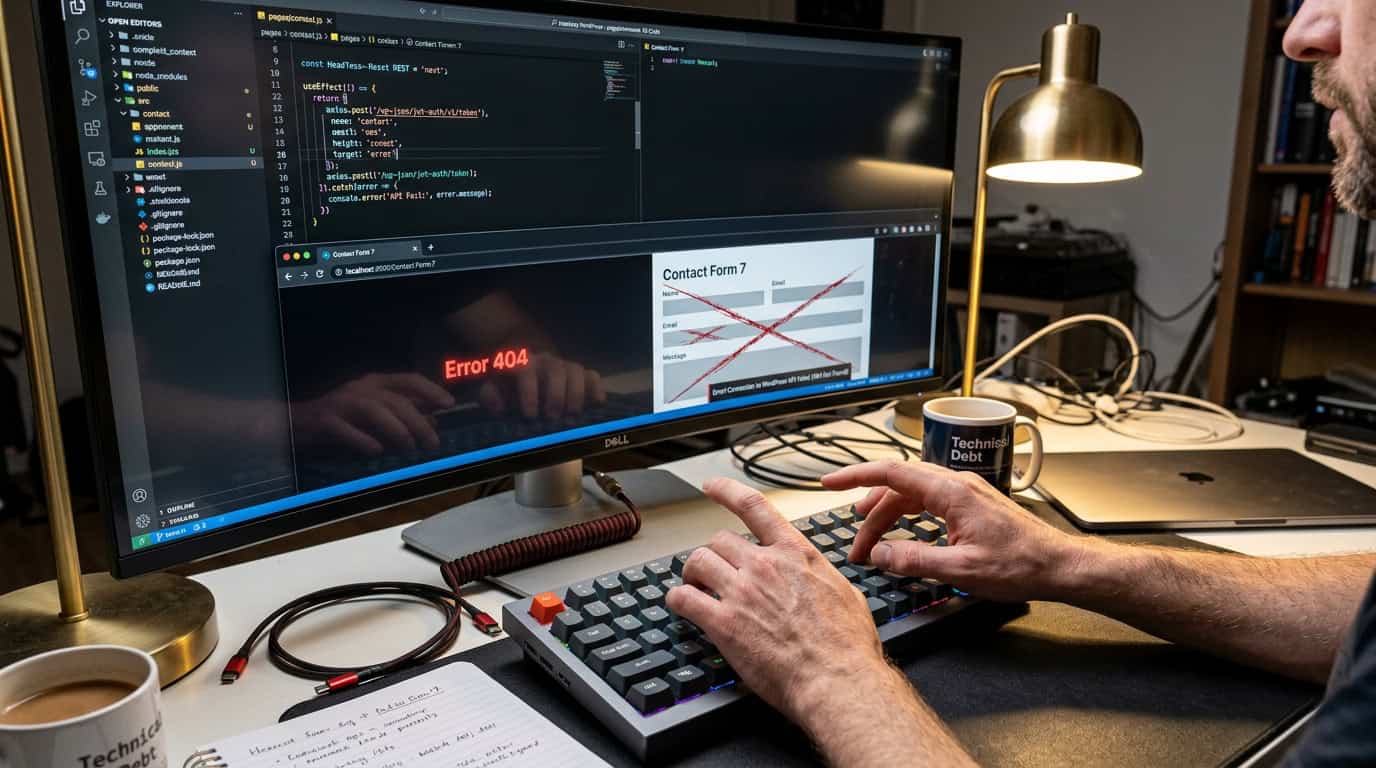
One of the most significant hidden expenses in a headless architecture is the loss of native plugin functionality that users often take for granted. In a traditional setup, tools for SEO management, contact forms, and schema markup work instantly because the backend and frontend are unified. Once you decouple the stack, these out of the box features break, requiring developers to build custom-built API endpoints and frontend components to replicate them. This transition turns a simple plugin update into a manual coding project, adding hundreds of dollars to your monthly maintenance bill as engineers must bridge the gap between WordPress data and your Next.js or Astro frontend.
Maintaining these custom features creates a long term financial burden because they lack the automated security and compatibility updates provided by the WordPress ecosystem. For example, a custom built site preview or a complex lead generation form requires manual testing every time the frontend framework or the CMS core is updated. If the API schema changes, your developers must spend billable hours refactoring the code to prevent the site from breaking. These recurring professional service fees can quickly push monthly costs toward the $3,000 mark, making the total cost of ownership significantly higher than a monolithic installation.
Ultimately, the decision to go headless should be viewed as an investment in performance and scalability rather than a cost saving measure. While the infrastructure and development retainers are substantial, they provide a level of security and speed that traditional models cannot match for high traffic enterprises. When choosing the optimal architecture for 2026 and beyond, businesses must weigh the $500 to $5,000 monthly maintenance range against their need for a bespoke user experience. For most growing brands, the key is to ensure that the increased budget for custom maintenance aligns with the specific revenue goals that a faster, more flexible decoupled site is designed to achieve.
Budgeting for Long-Term Headless Architecture Costs
Managing a headless WordPress architecture requires a shift in mindset from traditional low-cost hosting to a more strategic investment in split-stack stability. While the performance and security benefits are significant, the recurring costs for small-to-medium businesses in 2026 typically range from $500 to $3,000 per month. This premium covers the complex task of maintaining two separate environments, ensuring that the WordPress backend and the modern frontend remain perfectly synchronized. By accounting for infrastructure and professional development retainers upfront, you can avoid the technical debt that often plagues unmanaged decoupled systems.
The long-term success of a headless site depends on proactive monitoring and the ability to manage frequent API updates or dependency shifts. Choosing a decoupled approach means you are responsible for more than just a simple CMS, as you must now oversee the health of both your data layer and your presentation layer. This increased overhead is a necessary trade-off for the superior user experience and headless CMS benefits that React or Next.js frontends provide. Investing in professional support ensures that your site remains fast, secure, and fully operational as web standards evolve.
Managing these complexities requires a partner who understands the intricacies of modern web architecture and seamless data transitions. To ensure your transition to a decoupled setup is handled with precision, explore professional headless WordPress development to streamline your backend infrastructure. Expert teams are dedicated to helping you manage the ongoing costs and technical requirements of a high-performance digital presence. Discover how to balance innovation with budget-friendly maintenance strategies by reviewing comprehensive service offerings today.
Frequently Asked Questions
1. What is the average monthly maintenance cost for a headless WordPress site?
For a small to medium enterprise in 2026, you should expect to pay between $500 and $3,000 per month for maintenance. This investment covers the complexities of managing a dual stack environment rather than a simple monolithic site.
2. Why is headless maintenance more expensive than traditional WordPress?
You are shifting from managing a single website to overseeing a sophisticated ecosystem where the backend and frontend must stay perfectly synced. This requires managing API connections, frontend dependencies, and specialized hosting environments that traditional setups do not require.
3. How does hosting work for a headless WordPress architecture?
You must budget for a split stack infrastructure, which involves paying for a WordPress backend as your CMS and a separate high performance environment for your frontend. This dual hosting requirement typically starts around sixty dollars and can scale into the hundreds depending on your traffic.
4. What are the common infrastructure costs for a split stack?
Your monthly budget must account for a responsive administrative dashboard and a public facing site that utilizes edge computing platforms. These specialized deployment workflows ensure your site remains fast and accessible across global content delivery networks.
5. Why do I need to invest in API monitoring?
Because your frontend and backend communicate through an API, any latency or connectivity issues can lead to total site failure. Proactive monitoring tools are essential to ensure these connections remain stable and performant at all times.
6. Is a headless setup worth the higher maintenance price tag?
The performance and flexibility benefits of a decoupled architecture are significant for growing businesses that require high speed results. While the costs are higher, the investment ensures your site remains a modern, high performance asset rather than a technical burden.