
In a competitive digital marketplace, a generic storefront is no longer enough to compete with industry giants. Building a platform that offers hyper-personalization and seamless headless architecture requires a realistic understanding of the bespoke ecommerce site timeline. While modern AI tools have streamlined the coding process, the growing demand for deep ERP integrations and sophisticated user experiences means most custom builds now range from three to nine months.
The duration of your project depends entirely on the complexity of your vision and the depth of your product catalog. High-growth brands must balance the need for speed with the necessity of a robust, scalable infrastructure that can handle enterprise-level demands. Mapping out these milestones early ensures your transition to a custom-built solution is both strategic and efficient.
Key Takeaways
- Bespoke ecommerce development typically requires a three-to-nine-month timeline, ranging from 12 weeks for basic custom stores to a full year for complex enterprise solutions.
- The discovery and design phases represent the project’s critical foundation, requiring up to 12 weeks to map inventory logic and optimize mobile-first UX elements like the ‘thumb zone.’
- Headless architecture and deep ERP integrations are the most resource-intensive stages, demanding four to six months to ensure seamless data synchronization and multi-channel scalability.
- Rigorous testing and strategic SEO migration planning are non-negotiable requirements to protect brand reputation and search equity during the transition to a custom platform.
Defining Realistic Timelines For Custom Builds
Establishing a realistic timeline for a bespoke ecommerce build is the foundational step in aligning your digital transformation with broader business objectives. A basic custom store typically requires between eight and sixteen weeks to move from initial design to a live environment. This timeframe accounts for tailored user interfaces and standard integrations on established platforms, providing a balanced approach for brands that need speed without sacrificing brand identity. While AI-enabled tools have streamlined the coding process, the rigorous testing required for a seamless customer experience remains a critical time investment. Planning for this three month window allows retail teams to coordinate marketing launches and inventory readiness with high precision.
Enterprise level projects involving headless architecture or deep ERP integrations necessitate a much more extensive schedule, often spanning six to twelve months. These sophisticated builds decouple the frontend from the backend to provide unparalleled flexibility and hyper personalization, but they require significant time for data mapping and API orchestration. A twelve month roadmap is frequently the standard for global brands that demand high-level functionality and complex multi regional support. This extended duration ensures that the core infrastructure is robust enough to handle high volume traffic and intricate logistical workflows. By acknowledging these longer cycles early, stakeholders can secure the necessary resources and avoid the pitfalls of a rushed deployment.
Advanced bespoke sites usually involve a four to six month development cycle to accommodate custom functionality and complex product variants. This timeline is ideal for brands that have outgrown off the shelf solutions and require specialized payment gateways or unique customer portals. During this period, development teams focus on bridging the gap between standard retail features and the specific operational needs of the business. Successful leaders use this time to conduct iterative user testing and refine the digital journey based on real world data. Ultimately, selecting the right timeline depends on your long term vision for the brand and the level of technological independence your team requires.
Discovery And Strategy Phase Requirements
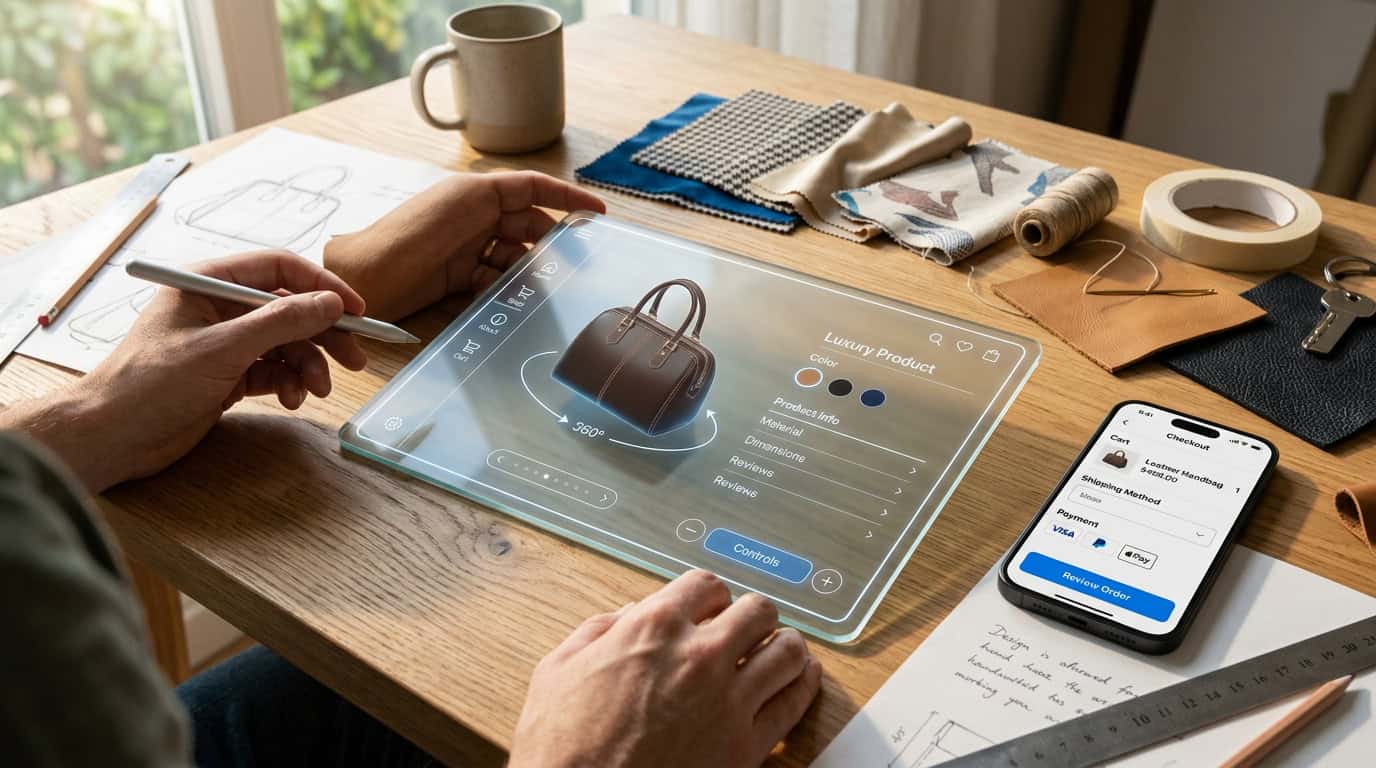
The first 2 to 4 weeks of a bespoke ecommerce project serve as the foundational blueprint for your entire digital transformation. During this critical discovery window, the process moves beyond surface level aesthetics to map out the intricate inventory logic and transaction flows that power your specific business model. By documenting every edge case in the checkout process and defining complex user personas early, you ensure the technical architecture supports your long term retail goals. This proactive alignment prevents the costly mid project delays that often occur when structural requirements are discovered too late in the development cycle.
Effective strategy sessions focus on the seamless integration of your back office systems with the new frontend experience. Technical teams analyze how your product data migrates from legacy databases into a modern headless environment while maintaining strict synchronization across all sales channels. This phase allows stakeholders to visualize the path from a customer’s first click to the final ERP update, ensuring no technical debt is accrued during the build. Establishing these requirements upfront provides the clarity needed to maintain a realistic development schedule through 2026 and beyond.
A well defined strategy phase also addresses the sophisticated personalization features that modern shoppers now expect as a standard. Strategic planning identifies how hyper personalized recommendations and custom loyalty triggers will function within your unique tech stack. By finalizing these complex functional specifications before a single line of code is written, your brand can move forward with total confidence in the project timeline. This disciplined approach transforms abstract business ambitions into a concrete roadmap for a high performing enterprise store.
UX Design And Thumb Zone Optimization
The design phase of a bespoke ecommerce project typically spans a dedicated four to eight week cycle where the primary focus is translating your business goals into a high fidelity prototype. During this window, designers prioritize a mobile first architecture that mimics the fluid, intuitive feel of a native mobile app rather than a traditional website. This stage is critical for retail brands because it allows stakeholders to interact with every button, transition, and hover state before a single line of code is written. By visualizing the customer journey through these detailed prototypes, you can identify potential friction points and refine the user experience to match the expectations of modern digital shoppers.
A central component of this design cycle is thumb zone optimization, which ensures that all critical navigation and call to action elements are positioned within easy reach of a user’s natural grip. As mobile commerce continues to dominate the market, placing the add to cart button or search bar in the lower third of the screen becomes a strategic necessity for increasing conversion rates. Design teams meticulously map out these interaction zones to ensure your site feels effortless to use with one hand, mirroring the convenience of top tier marketplace apps. This intentional approach to ergonomics reduces cognitive load for your customers and reinforces the premium nature of your bespoke brand.
Setting aside two months for this intensive design process provides the necessary runway to align your long term retail strategy with a realistic development schedule. This period is not just about aesthetics, it is about building a functional blueprint that supports complex product variants and hyper personalized shopping experiences. By investing time in deep UX research and iterative interface design now, you prevent costly mid development changes and ensure the final build is perfectly tuned for high volume sales. This phase serves as the foundation for your entire digital ecosystem, facilitating a smooth transition into the technical development stages that follow.
Backend Integration And Headless Development Cycles
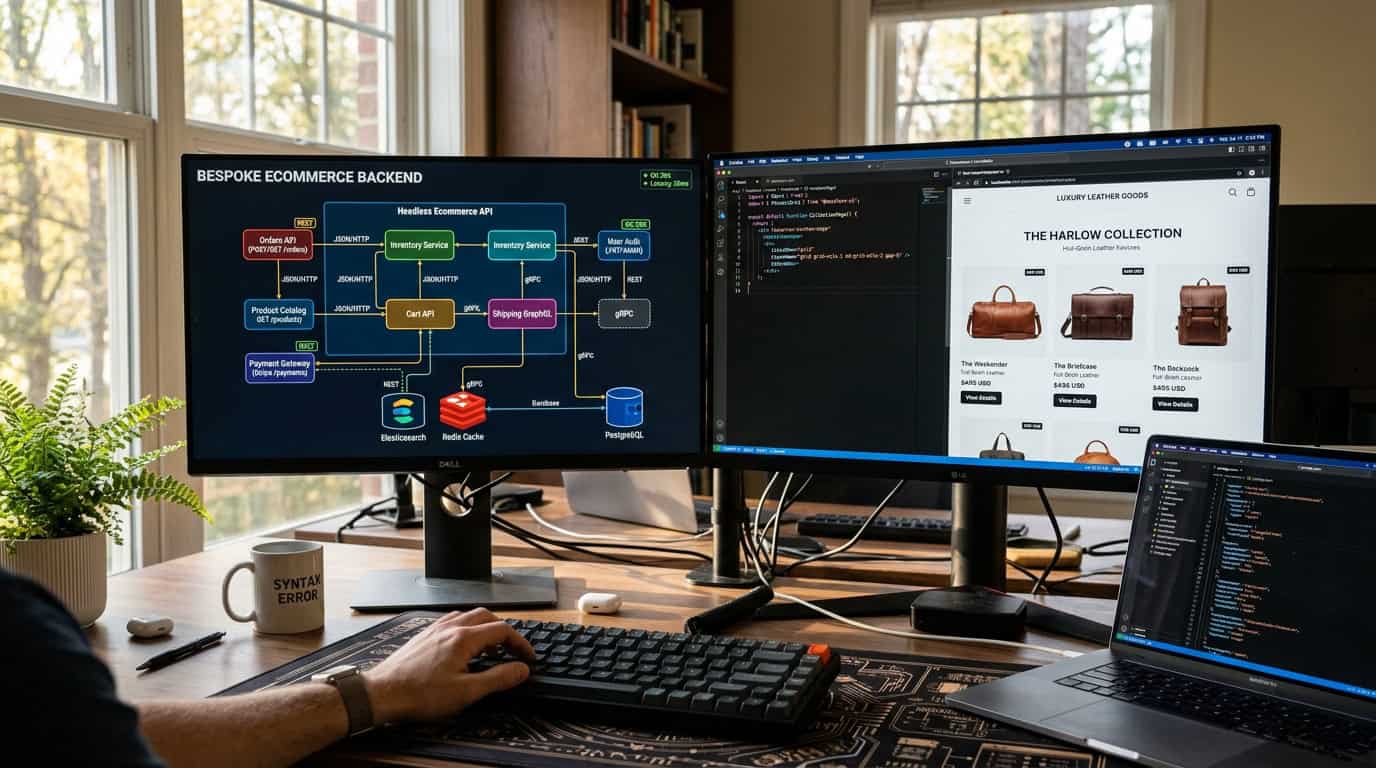
The most resource intensive phase of a bespoke ecommerce build typically occurs during the four to six month window dedicated to backend integration and headless architecture. During this period, developers focus on the decoupled nature of the site, ensuring the frontend presentation layer communicates flawlessly with the backend logic through robust APIs. This phase is critical for retail brands that require high performance and the flexibility to push content to multiple touchpoints simultaneously. Engineering teams prioritize the stability of these connections to ensure that as your business scales, the site remains fast and responsive. Establishing this structural foundation is what separates a standard online store from a truly enterprise grade digital experience.
Strategic data synchronization represents the heart of this development cycle, particularly when aligning complex ERP integrations and CRM systems. For global brands, this involves mapping intricate workflows for real time inventory updates, customer data profiles, and multi currency pricing logic across various international markets. These deep integrations eliminate manual data entry and ensure that the storefront reflects accurate business intelligence at every second. By spending several months refining these data pipelines, businesses can achieve the level of automation required to compete with industry giants. This meticulous approach prevents technical debt and ensures that your back office operations are perfectly harmonized with the customer journey.
Planning for this timeline allows stakeholders to align their broader business goals with the technical reality of a custom build. While AI tools have certainly sped up initial coding tasks, the validation of complex global tax rules and multi warehouse fulfillment logic still requires careful human oversight and rigorous testing and development. This stage is where the unique requirements of your brand are translated into a functional, scalable ecosystem that supports long term growth. A realistic schedule accounts for the inevitable refinements needed when connecting disparate software platforms into a single, cohesive unit. Ultimately, investing the necessary time into these deep integrations provides the reliability and hyper personalization that modern consumers expect from a premium brand.
Mastering Your Bespoke Ecommerce Development Timeline
Successful launches for high-end retail brands are the outcome of aligning specific business goals with a realistic, structured development schedule. By understanding that a bespoke ecommerce site timeline typically spans three to nine months, stakeholders can better manage expectations and resource allocation. This period allows for the deep integration of hyper-personalization and headless architecture that modern consumers demand. When the project roadmap accounts for these technical complexities early on, the transition from concept to live storefront remains smooth and predictable.
Prioritizing a strategic approach ensures that every custom feature serves a purpose in the broader growth strategy of the brand. High-end builds require a delicate balance between innovative design and robust backend infrastructure, such as deep ERP integrations and complex product variants. Taking the time to execute each phase of the development lifecycle correctly prevents the technical debt that often plagues rushed projects. A well timed launch provides a competitive edge, allowing your brand to debut a sophisticated digital experience that is fully optimized for performance and scalability from day one.
As you plan your move toward a more powerful digital presence, securing your existing search equity is just as vital as the new build itself. Protecting your organic revenue throughout this transition requires specialized expertise to ensure your hard-earned rankings remain intact. To learn more about how professional SEO migration services can help you with your bespoke ecommerce site timeline, explore our comprehensive solutions. Professional consultants are ready to facilitate early-stage consultations to align your business objectives with a secure and successful technical launch.
Frequently Asked Questions
1. How long does it typically take to build a bespoke ecommerce site?
A standard custom build generally requires between three and nine months to reach completion. While a basic custom store can launch in eight to sixteen weeks, more sophisticated enterprise solutions often span six to twelve months.
2. How have AI tools impacted the development timeline?
Modern AI tools have significantly streamlined the coding process and improved efficiency during the development phase. However, these time savings are often balanced by the rigorous testing and sophisticated user experiences required in today’s market.
3. Why do enterprise level projects take longer than standard builds?
Enterprise projects often involve headless architectures and deep ERP integrations that decouple the frontend from the backend. These complex systems require extensive planning and execution to ensure your infrastructure is robust and scalable.
4. What primary factors determine the length of my project?
The duration depends on the complexity of your vision, the depth of your product catalog, and the level of personalization required. High growth brands must also account for the time needed to integrate backend systems and ensure a seamless customer journey.
5. Why is the testing phase considered a critical time investment?
Rigorous testing ensures that your custom built solution provides a seamless and bug free customer experience across all devices. Skipping or rushing this phase can jeopardize your brand reputation and lead to costly post launch fixes.
6. How should I align my marketing strategy with the development timeline?
You should map out your milestones early to coordinate inventory readiness and marketing launches with high precision. Planning for a three to nine month window allows your retail team to synchronize your digital transformation with broader business objectives.
7. What is the benefit of choosing a bespoke build over a generic storefront?
A bespoke build offers hyper personalization and a robust architecture that generic platforms cannot match. This approach provides the scalability needed to handle enterprise level demands and helps you compete effectively with industry giants.