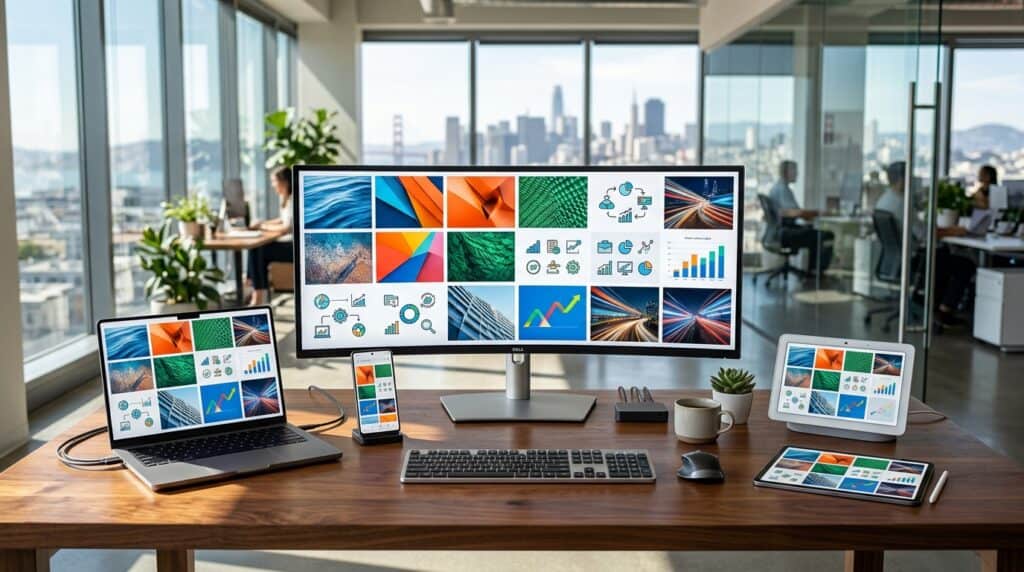
Building a modern digital experience often comes down to a crucial architectural choice: how you manage and deliver content across channels. For years, monolithic platforms ruled the web, but the explosion of mobile apps, smart displays, and modern frameworks has redefined digital delivery. Weighing a headless CMS against a traditional setup is no longer just a technical discussion; it is a core business decision that impacts speed, agility, and audience reach. Choosing the wrong architecture can leave marketers trapped in rigid workflows or developers bound to legacy infrastructure.
Traditional content systems provide all-in-one convenience with pre-built themes and intuitive drag-and-drop tools out of the box. Conversely, headless architectures separate backend content from frontend presentation, using APIs to power seamless omnichannel experiences across any device or tech stack. Striking the right balance between marketer autonomy and developer flexibility is essential for driving long-term digital growth.
Key Takeaways
- Decoupling content storage from the presentation layer via headless API architecture enables true omnichannel delivery, allowing organizations to serve structured assets to websites, mobile apps, and smart devices simultaneously.
- Headless architectures significantly boost performance through edge-optimized asset delivery while reducing security risks by isolating backend content databases from public web exposure.
- Successful headless implementations balance engineering freedom with marketing efficiency by incorporating visual editing tools and component systems that maintain marketer autonomy without sacrificing code performance.
- Adopting a phased migration strategy, such as the strangler pattern, minimizes operational risk while reducing long-term infrastructure overhead and legacy technical debt.
Monolithic Architecture vs Decoupled API-First Infrastructure
Enterprise content strategies historically relied on monolithic systems where the content database, administration interface, and visual presentation layer were tightly coupled within a single codebase. While this architecture allowed marketing teams to launch templated web pages quickly, it inherently binds digital content to a specific presentation format. As enterprise digital ecosystems expand across modern web applications, native mobile apps, and smart devices, legacy platforms often suffer from performance bottlenecks and elevated security risks. Modernizing an enterprise architecture requires untangling these dependencies, as scaling a monolithic application forces you to scale the entire database and rendering pipeline together. Consequently, engineering teams frequently spend excessive time managing platform updates and plugin technical debt rather than delivering modern user experiences.
- Monolithic Architecture: Tightly coupled database and display layers optimized primarily for single-channel web rendering.
- Decoupled Infrastructure: Centralized API-driven content repository capable of serving structured assets across any digital endpoint.
Shifting to a decoupled, API-first infrastructure transforms the content management system into a dedicated database engine that serves structured content via REST or GraphQL endpoints. By separating content storage from the user-facing display layer, frontend developers gain complete freedom to construct lightweight applications using modern web frameworks. Content teams can create and update assets once within a central repository, relying on automated APIs to distribute that unified content to websites, mobile applications, and internal portals simultaneously. This structural evolution also minimizes attack vectors by removing administrative dashboards from direct exposure on the public web. Ultimately, an API-driven model gives enterprise organizations the agility to adopt emerging frontend technologies without undertaking full-scale database migrations in the future.
Managing the transition from a traditional monolithic platform to a modern headless ecosystem requires a clear strategic roadmap that balances developer velocity with marketing team autonomy. While software engineers thrive on the speed and flexibility of modern API architectures, enterprise content creators often require visual page-building tools to maintain operational independence. Evaluating hybrid headless configurations or integrating visual orchestration layers ensures non-technical teams retain drag-and-drop workflow capabilities without compromising architectural performance. Organizations that execute a well-planned content migration achieve faster global page speeds, true omnichannel delivery, and significantly lower long-term infrastructure overhead. Partnering with technical architecture specialists simplifies this complex pivot, ensuring your enterprise stack remains resilient and future-ready.
Performance Security and Omnichannel Scaling Capabilities

Enterprise organizations migrating from monolithic architectures quickly realize that traditional CMS platforms struggle under the weight of complex database queries and server-side rendering. By decoupling the presentation layer from backend logic, a headless CMS leverages modern frontend frameworks like Next.js or Nuxt to serve pre-rendered static assets directly from global edge CDNs. This architectural shift dramatically improves page load speeds and core web vitals by eliminating server-side processing delays for every user request. Furthermore, edge-based delivery ensures consistent low latency during massive traffic spikes, allowing high-volume global brands to maintain peak performance effortlessly. The result is a fast digital experience that drives higher engagement and conversion rates across every user touchpoint.
Security vulnerabilities in traditional monolithic systems often stem from direct exposure, where the web server, content database, and administration dashboard live on the same reachable network. A headless architecture effectively eliminates this vulnerability by completely isolating the content repository behind secure, authenticated APIs. Because the user-facing presentation layer operates independently, potential attackers have no direct vector to exploit backend databases or execute malicious code through legacy plugins. This architectural decoupling transforms enterprise risk management, allowing security teams to implement granular access controls and microservices governance.
- Dramatically Reduced Attack Surface: Decoupled architectures prevent direct public access to your core database and content management engine.
- Edge-Optimized Speed: Content delivered via global distribution networks eliminates dynamic database rendering bottlenecks at runtime.
- True Multi-Channel Reach: A single structured API effortlessly feeds web portals, native mobile apps, IoT devices, and digital signage.
As enterprise digital ecosystems expand beyond web browsers, traditional CMS platforms require costly workarounds or duplicate content engines to support new touchpoints. Headless architecture inherently solves this multi-channel challenge by serving structured content via GraphQL or REST APIs to any device or application layer. Developers can build specialized user interfaces for mobile apps, smart displays, or AI-driven conversational interfaces using native tools without altering backend content structures. This flexible foundation enables rapid deployment of new digital products, giving enterprise brands a decisive advantage in unified omnichannel delivery.
Developer Flexibility vs Marketer Autonomy and Visual Editing
Transitioning to a headless architecture unlocks engineering freedom, enabling developers to build fast web experiences using modern frontend frameworks like Next.js. Uncoupled from rigid monolithic templates, engineering teams can optimize frontend performance, enforce strict security protocols, and deploy code seamlessly across multiple digital channels. However, this technical transition can create an unintended operational bottleneck within enterprise marketing departments if authoring tools are overlooked. When a pure API-first platform is implemented without deliberate publishing tools, simple copy revisions and layout adjustments suddenly require developer intervention. This dynamic converts high-value software engineers into content publishers, slowing down release cycles and frustrating non-technical teams.
Traditional monolithic platforms earned widespread adoption by prioritizing marketer autonomy through native visual editors, drag-and-drop page building capabilities, and real-time previews. Stripping away these tools in favor of raw headless models often hampers go-to-market speed for campaign managers and content strategists. Without visual context, content creators are forced to fill out isolated form fields blindly, hoping the rendered frontend matches their design expectations. Successful enterprise modernizations evaluate these operational trade-offs early to avoid sacrificing marketing agility during technical migrations.
- Visual authoring: Marketers require real-time, side-by-side previews across desktop and mobile views before publishing content.
- Modular governance: Developers establish design system constraints, while marketers freely reconfigure approved layout components.
- Publishing velocity: Campaign teams launch landing pages on demand without submitting feature tickets to engineering queues.
Bridging the gap between engineering independence and marketing efficiency demands a modern, enterprise-grade content strategy. Forward-thinking organizations are adopting visual headless architectures that preserve frontend framework freedom while restoring dynamic preview environments. By mapping out structured design tokens and reusable visual components, technical leaders can give marketing teams authoring power without risking codebase stability or design integrity. Modernizing your digital architecture should elevate every department, ensuring developers write clean code while marketers seamlessly drive engagement.
Enterprise ROI and Content Stack Migration Strategies
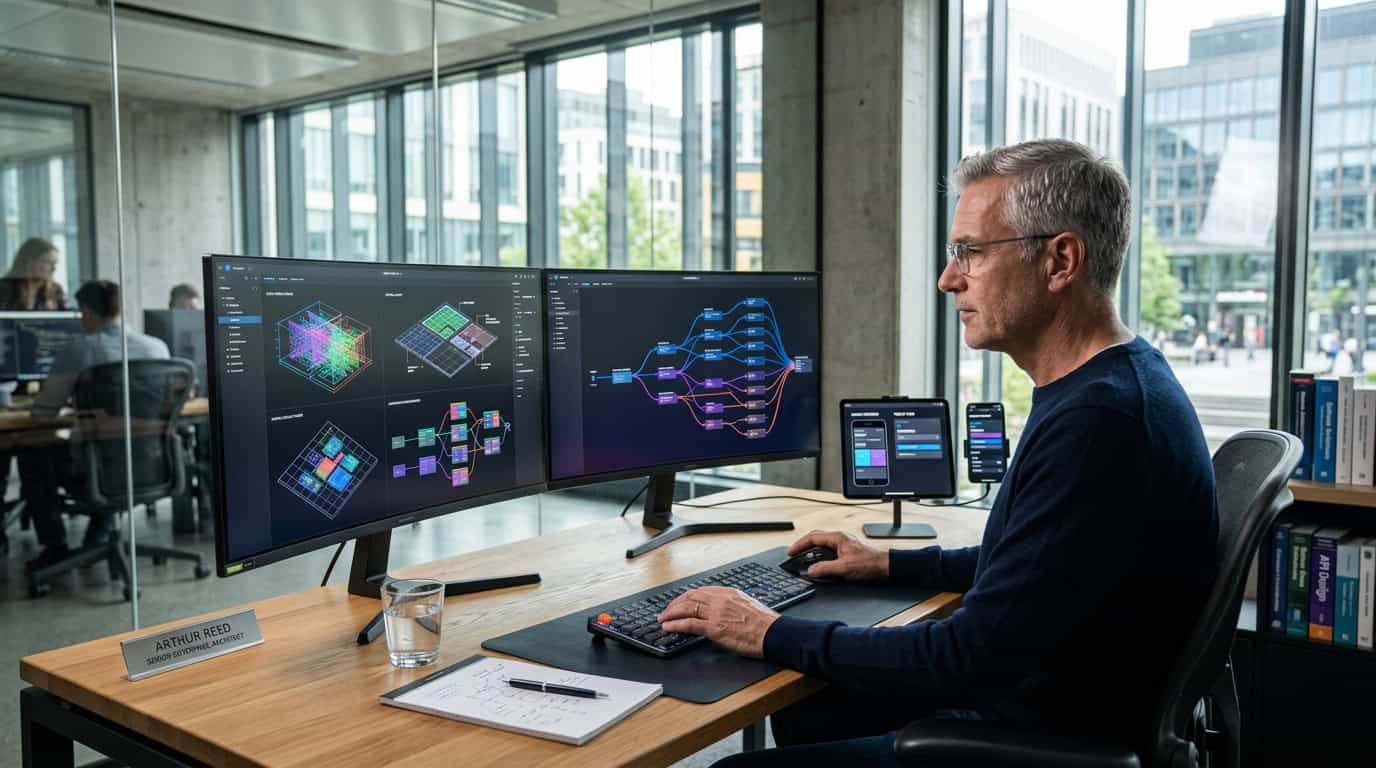
Evaluating the total cost of ownership between a traditional monolithic CMS and a modern headless platform requires looking beyond immediate licensing fees. Traditional systems often trap enterprises in expensive, multi-year upgrade cycles, heavy database management, and persistent security patching overhead. Transitioning to an API-first architecture shifts capital expenditure toward custom frontend innovation and optimized omnichannel delivery. While initial implementation for a headless ecosystem may require dedicated development resources, ongoing operational expenses decrease significantly due to serverless infrastructure and decoupled maintenance. Enterprise leaders realize return on investment through faster time-to-market for new digital products, reduced vulnerability vectors, and lower infrastructure scaling costs over time.
Executing a seamless migration from a legacy monolithic stack to a decoupled infrastructure does not require a risky, all-at-once platform teardown. Strategic technical teams adopt a phased migration framework, often referred to as the strangler pattern, to incrementally route traffic from legacy backend routes to modern API endpoints. Evaluating organizational readiness before writing code ensures that marketing workflows, preview environments, and localized governance remain completely intact throughout the transition. By auditing technical dependencies early, enterprises can build a clear roadmap that mitigates business risk and prevents service disruptions.
- Audit legacy content structures, asset dependencies, and third-party integrations to establish baseline requirements.
- Implement a hybrid abstraction layer or API gateway to bridge legacy databases with modern frontend frameworks.
- Migrate high-impact, low-risk content domains first to validate developer workflows and marketer adoption.
- Decommission legacy monolith modules incrementally as modern backend services reach operational maturity.
Modernizing your enterprise content stack transforms digital management from an administrative cost center into an agile growth engine. Decoupled systems allow marketing teams to create content once and publish seamlessly across web, mobile, IoT devices, and emerging AI engines without engineering bottlenecks. Partnering with experienced technical consultants ensures your architecture leverages modern frontend frameworks like Next.js or React while maintaining intuitive visual editing tools for non-technical authors. This foundation guarantees that your digital ecosystem can adapt to unexpected market shifts, new device channels, and evolving customer expectations.
Choosing the Right CMS for Your Digital Roadmap
Choosing between a traditional monolithic CMS and an API-first headless architecture comes down to your enterprise digital roadmap and technical resources. Monolithic platforms still offer value for organizations prioritizing rapid deployment, bundled templates, and out-of-the-box marketer autonomy without heavy engineering overhead. However, as digital touchpoints expand across mobile applications, smart devices, and modern web frameworks, traditional engines often become bottlenecks that restrict speed and scalability. Decoupled headless platforms eliminate these frontend boundaries by serving content as raw data through APIs, granting development teams total freedom to build bespoke, high-performance user experiences. Evaluating immediate marketing agility against long-term architectural adaptability remains essential for sustained enterprise growth.
Transitioning to a headless ecosystem is a fundamental shift in how your organization structures and distributes digital experiences. While headless architectures deliver superior omnichannel flexibility and improved platform security, they also demand sustained developer support and thoughtful integrations to maintain intuitive editorial workflows. Enterprise decision-makers must analyze the total cost of ownership, organizational technical maturity, and team collaboration patterns before committing to a rebuild. Evaluating whether to adopt a fully decoupled stack or a hybrid solution ensures your engineering roadmap aligns directly with broader business objectives. Taking a strategic approach to architecture selection prevents technical debt and positions your organization to adapt as digital consumption habits evolve.
Moving core digital assets from a legacy framework to a modern content stack requires careful execution to protect existing data and search engine performance. Proper planning, robust schema design, and precise API orchestration are essential to ensure uninterrupted business operations during complex structural transitions. To better understand the financial and technical considerations involved in modernizing your architecture, explore our Content Migration Service Pricing Guide For Secure Data Replatforming. Our team of technical consultants is equipped to help you evaluate your current ecosystem, map out a tailored headless architecture, and execute a flawless deployment. Contact us today to discover how our specialized services can streamline your platform evolution and accelerate your technical growth strategy.
Frequently Asked Questions
1. What is the main difference between a traditional CMS and a headless CMS?
A traditional CMS tightly couples your database, content management interface, and visual frontend into a single platform. In contrast, a headless CMS separates the backend content repository from the frontend presentation layer, delivering your content via APIs to any device or tech stack. This separation gives developers total freedom over code while keeping your content central and accessible.
2. How does a headless CMS improve website performance and security?
By decoupling the frontend rendering layer from the backend database, a headless CMS reduces server overhead and speeds up page load times. Security increases significantly because your content database is not directly exposed to public web traffic or vulnerable monolithic plugins. This architectural separation minimizes potential attack vectors while providing a smoother user experience.
3. Why should an enterprise consider moving away from a monolithic CMS?
Scaling a monolithic platform requires scaling your entire codebase, frontend, and database simultaneously, which leads to performance bottlenecks and high infrastructure costs. Legacy systems also accumulate plugin technical debt that consumes valuable engineering time. Moving to an API-first setup allows you to scale individual services independently and modernize your tech stack without disrupting daily operations.
4. Will non-technical marketing teams lose control if you switch to a headless system?
Not if you choose and configure the right platform for your team’s workflow. Modern headless platforms offer structured content modeling, customized admin dashboards, and visual editing tools designed specifically for non-technical users. Marketers retain full autonomy over messaging and content creation while developers handle backend architecture and frontend performance.
5. Can a headless CMS support omnichannel content delivery?
Yes, omnichannel delivery is one of the primary advantages of a headless architecture. Because content is served via standard APIs, you can publish once and distribute content simultaneously to web applications, native mobile apps, smart displays, and IoT devices. This ensures a consistent brand experience across every customer touchpoint without needing duplicate content databases.
6. Is a headless CMS the right choice for every project?
If you need simple, pre-built web templates and quick setup without developer involvement, a traditional CMS may still suit your needs. However, if your business requires high performance, multi-channel distribution, or custom modern frontend frameworks, a headless CMS is the better strategic investment. Evaluating your long-term growth goals and technical resources will help you make the right choice.
7. How does switching to headless architecture impact maintenance and developer time?
Developers spend far less time dealing with platform updates, database maintenance, and legacy plugin conflicts. Instead of patching fragile monolithic code, engineering teams can focus on building custom digital features and improving site performance. This shifts your technical focus from maintenance overhead to delivering meaningful business value.