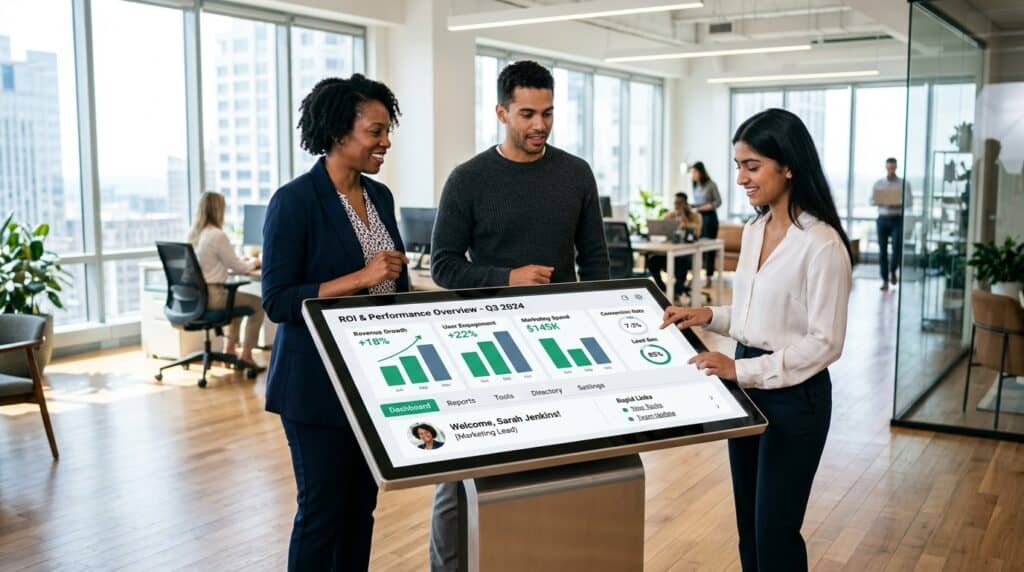
The modern workplace has moved far beyond static document folders, evolving into a dynamic ecosystem where digital connectivity defines the employee experience. Understanding the full scope of custom intranet portal benefits is essential for organizations looking to bridge the gap between fragmented tools and a unified digital culture. By prioritizing AI-driven personalization and seamless mobile accessibility, these platforms transform from simple sites into essential engines of daily productivity.
A custom-built solution acts as a single front door, consolidating your HRIS, CRM, and project management tools into one intuitive dashboard. This tailored approach eliminates the friction of app sprawl, ensuring that every role sees only the most relevant, high-impact information. When your digital workspace is designed specifically for your unique workflows, you foster a sense of belonging and efficiency that off-the-shelf software simply cannot replicate.
Key Takeaways
- Consolidating fragmented tools into a single, integrated ‘front door’ eliminates app sprawl and reduces the cognitive load caused by context switching.
- AI-driven personalization and role-based interfaces significantly improve employee retention by reducing information fatigue and fostering a sense of belonging.
- Custom-built platforms offer superior long-term ROI by eliminating recurring per-user licensing fees and providing total ownership of the corporate tech stack.
- Deep integration with HRIS, CRM, and project management systems transforms a static intranet into a functional command center that supports rapid, data-driven decision making.
Driving Operational Efficiency Via Deep Integration
The true value of a custom intranet portal lies in its ability to serve as a unified command center for the modern enterprise. By deeply integrating HRIS, CRM, and project management tools into a single interface, organizations can effectively eliminate the friction of app sprawl. Employees no longer need to maintain dozens of open tabs or remember multiple login credentials to complete basic tasks. Instead, a custom dashboard surfaces the most relevant data from disparate systems, allowing team members to focus on high value work. This consolidation transforms the digital workspace from a fragmented collection of tools into a cohesive ecosystem that supports rapid decision making.
Context switching is a silent productivity killer that costs large corporations significant time and mental energy every day. When a custom portal acts as the single front door to all business applications, it minimizes the cognitive load required to navigate complex workflows. For example, an account manager can view client history from the CRM alongside recent project updates and internal HR notifications without ever leaving the primary platform. This streamlined approach ensures that information flows seamlessly across departments, reducing the likelihood of data silos. Investing in such a tailored solution is a strategic move to optimize operational efficiency and improve the overall employee experience.
Beyond simple convenience, these integrated portals provide leadership with a clearer picture of organizational health and resource allocation. Aggregating data from various platforms into a centralized dashboard allows for real time reporting and more accurate forecasting. Custom development ensures that these integrations are not just superficial links, but functional connections that allow for two way data exchange. This level of technical synergy supports a more agile business model where teams can respond to market changes with precision. Ultimately, the transition to an integrated custom portal represents a shift toward a more mature and resilient digital infrastructure.
Personalizing The Employee Experience For Retention
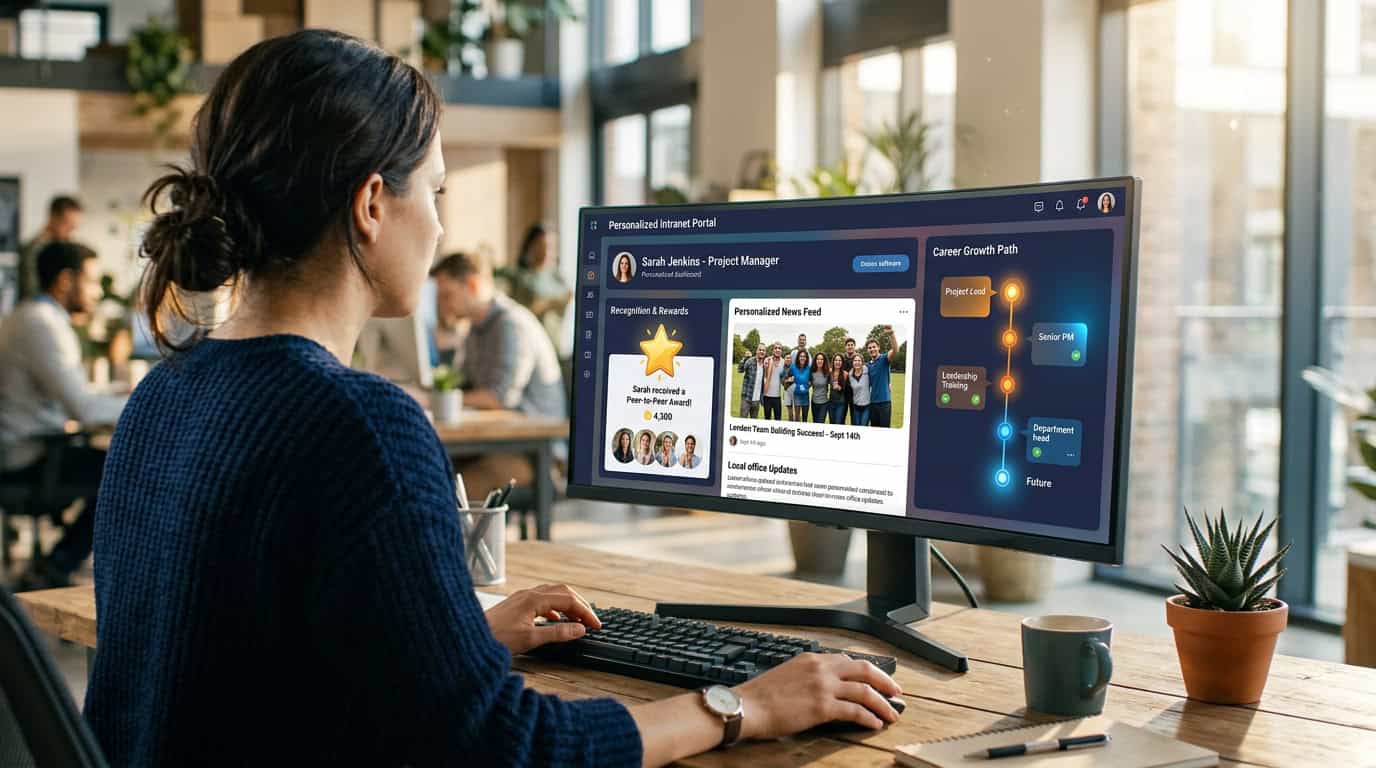
Custom intranet portals represent a strategic shift from generic toolsets to sophisticated ecosystems that prioritize the individual needs of every team member. By leveraging AI-driven personalization, these platforms ensure that employees are no longer overwhelmed by irrelevant data or notification fatigue. Role-based interfaces provide a curated experience where the most critical tools and updates are surfaced automatically based on a user’s specific department or location. This level of precision creates a seamless workflow that makes employees feel seen and supported by their organization. When staff members spend less time hunting for information, they can focus on high-value tasks that drive personal and professional growth.
The investment in a personalized digital workspace pays significant dividends in the form of increased organizational loyalty and reduced employee retention challenges. Research indicates that fostering a deep sense of belonging through customized digital experiences can reduce employee attrition by up to 59 percent. When a portal reflects the company culture and recognizes individual contributions through personalized dashboards, it strengthens the emotional connection between the worker and the brand. This transformation from a static repository to a dynamic home base helps mitigate the isolation often felt in remote or hybrid work environments. Organizations that prioritize this level of engagement demonstrate a clear commitment to their human capital as a core business priority.
Operational efficiency and retention are inextricably linked through the consolidation of disparate business systems into a single, cohesive front door. A custom intranet eliminates the friction of app sprawl by integrating HRIS, project management, and communication tools into one intuitive interface. This streamlined approach reduces the cognitive load on employees, allowing them to navigate their daily responsibilities with greater ease and less frustration. By removing the technical barriers that often lead to burnout, companies create a more sustainable and attractive work environment for top talent. Ultimately, a custom-built solution is not just a technical upgrade but a vital retention tool that justifies its initial investment through long-term stability and performance.
Scaling Long Term Value Without Licensing Fees
Choosing a custom intranet build represents a strategic shift from renting software to owning a foundational business asset. While SaaS platforms often entice companies with low initial entry costs, the long term financial burden of per user licensing fees can become a significant drain as an organization scales. By investing in a custom solution, enterprises eliminate these recurring monthly overheads and reclaim control over their operational budget. This shift allows leadership to redirect capital toward innovation and feature enhancements rather than simply maintaining access to their own internal data. Ownership of the tech stack ensures that the platform remains a permanent part of the corporate infrastructure without the risk of sudden price hikes or forced migrations.
The commercial advantage of a custom portal becomes even more apparent when considering the total cost of ownership over a five to ten year horizon. Large corporate clients often find that the cumulative cost of per head licensing for thousands of employees far exceeds the one time development investment of a bespoke platform. A custom build allows for unlimited user growth without a corresponding increase in software fees, making it a highly sustainable model for scaling businesses. This financial predictability enables more accurate long term planning and ensures that the digital employee experience can evolve alongside the company. Beyond the direct savings, the ability to build specific functionalities that drive operational efficiency creates a unique competitive edge that generic tools cannot match.
Transitioning to a custom Employee Experience Platform also removes the technical limitations often imposed by rigid third party roadmaps. When a company owns its code, it has the freedom to integrate deeply with existing ERP, CRM, and HRIS systems without paying for premium connectors or API tiers. This level of control ensures that the intranet serves as a true single front door for all business processes, tailored specifically to the unique workflows of the organization. Because the business is not beholden to a vendor update cycle, it can prioritize security patches and feature rollouts based on its own internal requirements. Ultimately, this approach transforms the intranet from a recurring expense into a high value asset that appreciates as it becomes more integrated into the daily life of the workforce.
Maximizing Efficiency Through Custom Ecosystem Integration
Investing in a custom intranet portal is a strategic necessity for large scale corporate organizations seeking to consolidate their digital ecosystems. These bespoke tools move beyond the limitations of off the shelf software by providing deep integration with existing HRIS and CRM systems, effectively eliminating the friction of app sprawl. By creating a single front door for all corporate activities, businesses can significantly reduce time lost to context switching while simultaneously reinforcing company culture through a tailored user experience. The long term ROI of such a platform is found in heightened employee engagement and the streamlining of complex internal workflows that standard solutions simply cannot accommodate.
The transition toward AI driven personalization and omnichannel accessibility ensures that your internal tools remain relevant as the workplace continues to evolve. A well designed portal acts as a central hub that scales alongside your enterprise, offering the flexibility to adapt to new technological shifts without requiring a complete system overhaul. This adaptability protects your initial investment and ensures that employee productivity remains high across diverse roles and geographic locations. By prioritizing a solution that fits your specific operational DNA, you foster a more connected and efficient workforce that is better equipped to meet organizational goals.
Modernizing your internal infrastructure is the most effective way to ensure your data remains secure and accessible during these large scale digital transformations. If you are ready to move away from fragmented systems and toward a unified digital experience, professional legacy database migration services can help you bridge the gap between outdated repositories and a modern, high performance intranet. Discover how enterprise scalability and connectivity can be achieved through custom development teams that streamline your transition and help you realize the full strategic advantages of a bespoke internal platform. Taking this step now will position your organization for sustained operational efficiency and improved employee retention in the years to come.
Frequently Asked Questions
1. How does a custom intranet portal reduce employee burnout?
A custom intranet eliminates the cognitive load of context switching by consolidating all your essential tools into a single dashboard. By removing the need to navigate dozens of open tabs and multiple login screens, you allow your team to focus their mental energy on high value work rather than administrative friction.
2. Can a custom portal integrate with my existing HR and CRM software?
Yes, a custom solution serves as a unified command center that deeply integrates with your HRIS, CRM, and project management tools. This deep integration surfaces relevant data from disparate systems into one intuitive interface, transforming fragmented tools into a cohesive digital ecosystem.
3. What makes a custom intranet better than off the shelf software?
Off the shelf software often fails to account for your unique business workflows and specific organizational culture. A custom portal is designed specifically for your internal processes, ensuring that every role sees only the most relevant information while fostering a sense of belonging that generic platforms cannot replicate.
4. How does AI personalization improve the employee experience?
AI driven personalization transforms your intranet from a static site into an essential engine of daily productivity. By delivering tailored content and automated insights based on individual user behavior, you ensure that your employees are always connected to the most high impact information for their specific roles.
5. Why is mobile accessibility important for a modern intranet?
Mobile accessibility ensures that your digital connectivity extends beyond the physical office to support a truly hybrid and dynamic workforce. It provides your team with seamless access to critical business applications and communication channels regardless of their location or device.
6. How does a single front door approach benefit large organizations?
The single front door approach eliminates app sprawl by providing one central point of entry for all corporate resources. This streamlines the user experience and ensures that your digital workspace acts as a unified engine for enterprise integrations and rapid decision making across the entire enterprise.