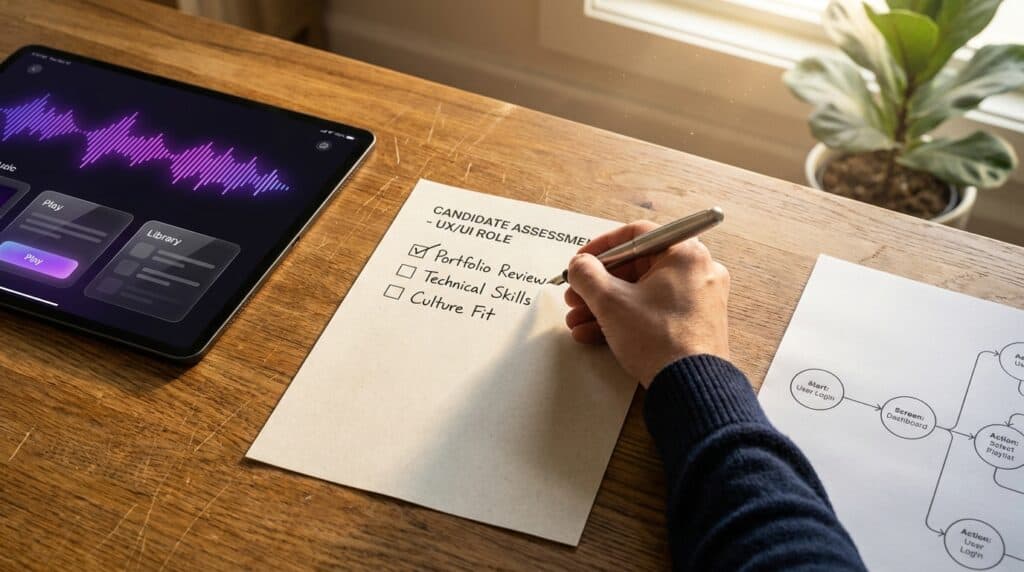
Design is no longer just a visual layer; it is a critical driver of business growth. Companies prioritizing user experience consistently outperform their peers, often seeing a return of up to $100 for every dollar invested. Utilizing a comprehensive hiring UX designers checklist is essential to identify talent that can translate complex user needs into measurable ROI. As the industry shifts toward AI integration and data-driven results, finding the right specialist requires a strategic approach from the very first touchpoint.
The market for design talent has evolved, demanding a balance between creative vision and business impact. Whether you need a researcher to uncover deep insights or a product designer to handle the end-to-end lifecycle, your selection process must be rigorous and intentional. Success hinges on defining the specific scope of your project and benchmarking against current industry standards to attract top-tier professionals. Securing the right fit ensures your product remains intuitive, accessible, and highly profitable.
Key Takeaways
- UX design is a high-return strategic investment that can generate up to $100 for every dollar spent by driving conversion, retention, and long-term market competitiveness.
- Effective hiring requires distinguishing between specialized roles, such as UX researchers and product designers, to ensure the team’s output aligns with specific product lifecycle stages and technical constraints.
- Modern design candidates must demonstrate proficiency in AI integration and high-fidelity prototyping tools to accelerate time-to-market and automate repetitive tasks.
- Top-tier designers should be evaluated on their ability to articulate the business impact of their work using KPIs like reduced churn and improved operational efficiency.
Defining Role Requirements And Business Impact
Founders and hiring managers must first distinguish between specialized roles to ensure the design team aligns with specific organizational goals. While a UX researcher focuses on gathering user insights and validating assumptions through data, a product designer typically takes a more holistic approach by balancing user needs with technical feasibility and business constraints. Selecting the wrong profile can lead to a misalignment where your team is either producing beautiful interfaces that solve the wrong problems or conducting deep research that never translates into a functional product. By clearly defining these boundaries, you set the stage for a recruitment process that targets the exact expertise required for your product’s current lifecycle stage.
Establishing clear Key Performance Indicators (KPIs) is the next vital step in linking design activities to measurable business logic and ROI. High-performing design teams are no longer judged solely on aesthetics, but rather on their ability to move the needle on conversion rates, customer retention, and reduced support tickets. When you frame the role around business impact, you shift the conversation from a subjective cost center to a strategic driver that can yield significant returns on investment. This approach allows you to evaluate candidates based on their ability to articulate how their design decisions directly contribute to the company’s bottom line and long-term market competitiveness.
Integrating design into your business strategy requires a framework that prioritizes measurable outcomes over mere task completion. Successful hiring managers look for designers who understand how to handle complex business requirements while maintaining a focus on the end-user experience. By setting these expectations during the hiring phase, you ensure that every new hire is equipped to contribute to the significant outperformance seen by design-led companies. This rigorous focus on business impact ensures that your investment in UX talent becomes a sustainable engine for growth rather than a one-time visual upgrade.
Evaluating Portfolios Through Case Study Analysis
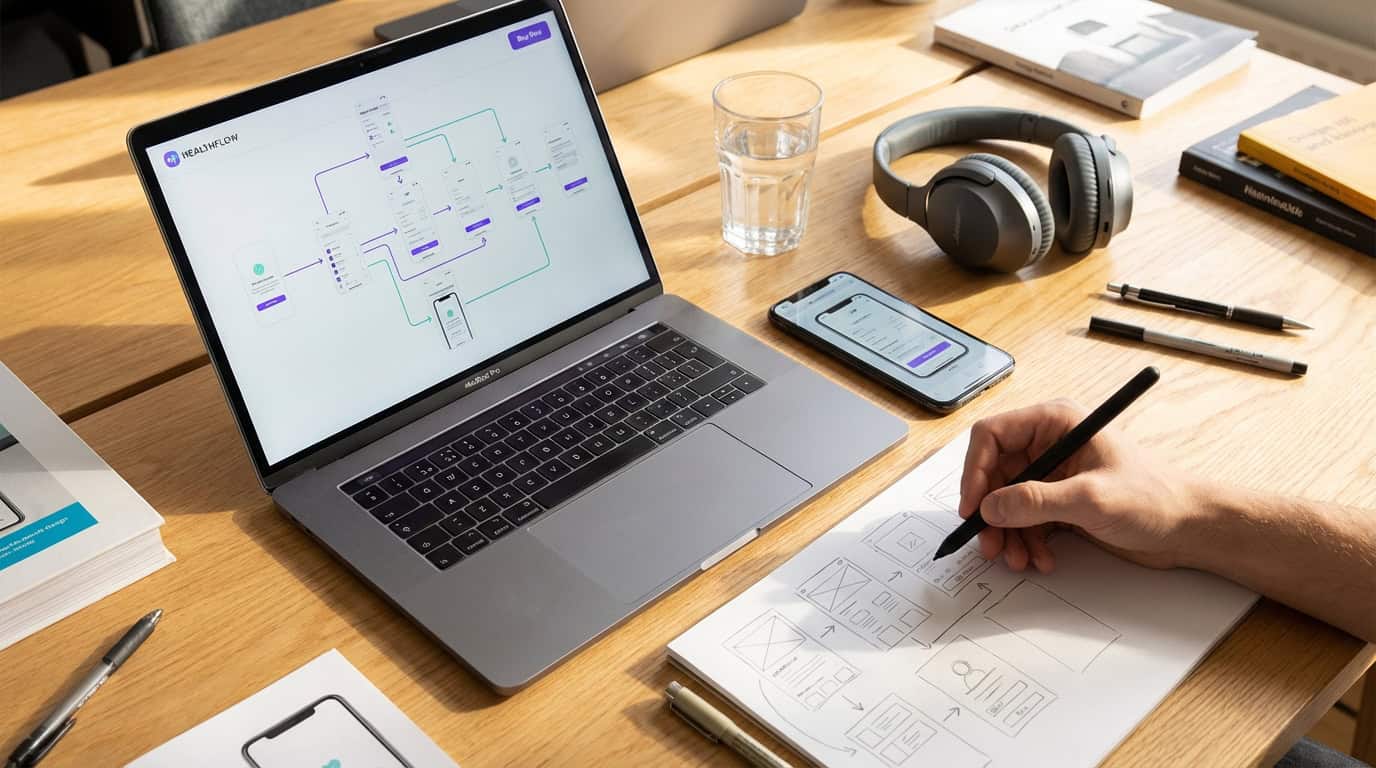
A high-quality UX portfolio must go beyond aesthetics to demonstrate a rigorous commitment to user research and evidence-based decision making. When auditing a candidate’s case studies, look for a clear connection between the initial discovery phase and the final design solution. You should evaluate their ability to synthesize user pain points into actionable insights rather than just performing research as a checkbox exercise. A top-tier designer will showcase how they pivoted based on data or user feedback, proving they value objective results over personal preference. This level of critical thinking is what ensures your design investment translates into a measurable return on investment for the business.
The technical evaluation should also prioritize how a candidate handles complex architectural challenges through wireframing and prototyping. Examine their process for mapping out user flows that account for edge cases, technical constraints, and business requirements simultaneously. It is essential to see how they balance user needs with the practical limitations of your specific tech stack or industry regulations. A strong case study reveals a designer who can simplify complicated systems into intuitive interfaces without sacrificing functionality. This ability to solve for constraints is the hallmark of a professional who can drive long-term product growth and maintain a competitive edge.
Finalize your assessment by looking for a transparent narrative regarding the impact and ROI of their previous projects. The most effective UX designers can articulate how their work reduced churn, increased conversion rates, or improved operational efficiency for their previous stakeholders. You want to see that they understand the business side of design and can speak the language of key performance indicators and growth metrics. By setting these high internal standards during the portfolio review, you ensure that your team is built on a foundation of strategic expertise. This rigorous vetting process protects your capital and aligns your design department with the overarching financial goals of the organization.
Assessing AI Integration And Modern Tooling
Evaluating a candidate’s proficiency with AI is no longer optional, as these tools are now central to achieving the massive ROI associated with modern UX design. You should look for designers who treat AI as a strategic partner rather than a shortcut, using it to automate repetitive tasks like wireframe generation or user data synthesis. A top tier candidate will demonstrate how they use prompt engineering to explore a wider range of design solutions in half the time it took just a few years ago. Ask for specific examples of how they have integrated AI into their research phase to identify user pain points more rapidly. Their ability to articulate the balance between machine efficiency and human empathy is a key indicator of their seniority.
Modern prototyping has moved far beyond static mockups, and your checklist must prioritize candidates who master high fidelity tools that bridge the gap between design and code. High performing designers use advanced features like variables, conditional logic, and auto layout to create prototypes that behave exactly like the final product. This technical fluency reduces friction during developer handoffs and ensures that stakeholders can test realistic interactions long before a single line of code is written. When you assess their portfolio, focus on their ability to build scalable design systems that allow for rapid iteration and global consistency. A designer who leverages these modern workflows will directly contribute to a faster time to market for your product.
Beyond technical skills, the most valuable hires understand how these emerging workflows translate into measurable business growth and competitive advantages. You want a partner who uses AI to conduct more frequent usability testing and iterative loops, effectively de-risking your investment at every stage of development. Their mastery of modern tooling should result in a transparent process where design decisions are backed by rapid experimentation and real time feedback. By hiring a web designer who is already proficient in this evolving environment, you ensure your design team remains an engine for innovation rather than a bottleneck. This forward thinking approach to hiring is what allows companies to consistently outperform their peers in a crowded marketplace.
Conducting Behavioral Interviews For Cultural Alignment

Vetting a UX designer for cultural alignment requires moving beyond the portfolio to understand how they handle the complexities of a modern corporate environment. To ensure a high return on investment, you must evaluate their ability to translate user pain points into actionable business goals that stakeholders can support. A successful candidate acts as a bridge between departments, using evidence based insights to resolve internal friction and align diverse teams. During the interview, focus on how they handle pushback from engineering or product management while maintaining the integrity of the user experience. Their answers should demonstrate a sophisticated understanding of why UX design is important for a website and how those decisions directly influence the company bottom line and long term market performance.
Effective cross functional communication is the cornerstone of a high performing design culture. You should look for designers who can articulate their reasoning without relying on industry jargon, ensuring that non designers feel included in the creative process. Ask for specific examples of times they successfully advocated for a user centric feature that initially faced resistance from leadership or technical teams. This reveals their level of professional maturity and their ability to build the internal consensus necessary for shipping successful products. A designer who can champion the user while respecting business constraints is an invaluable asset for any organization looking to outperform its competitors.
The behavioral interview is your best opportunity to assess how a candidate will influence your team dynamics and overall design maturity. High quality candidates will show a clear track record of using empathy and data to influence product roadmaps and strategic direction. Look for indicators of emotional intelligence, such as how they handle critique and how they mentor others within a structured corporate hierarchy. By prioritizing these soft skills alongside technical proficiency, you secure a hire who does not just complete tasks but actively drives innovation. This strategic approach to hiring ensures your design team remains a core driver of measurable business impact and sustainable growth.
Building a High-Impact UX Design Team
Hiring UX designers requires a disciplined approach that balances technical proficiency with a deep understanding of business impact. By following a hiring UX designers checklist that evaluates AI integration, research capabilities, and end to end product design skills, hiring managers can effectively separate high level talent from the competition. Prioritizing these standards ensures that your organization secures a designer who does more than just create beautiful interfaces. A successful hire will bridge the gap between user needs and measurable ROI, ultimately driving the long term growth of your digital ecosystem.
Investing in design excellence is no longer optional in a market where a single dollar spent on UX can return up to a hundredfold. Companies that consistently apply rigorous evaluation frameworks often see their stock performance double that of their peers because they treat design as a core business driver rather than a finishing touch. As user expectations continue to evolve, maintaining a high benchmark for quality will protect your brand from obsolescence and technical debt. Selecting a designer who understands this strategic value is the most critical step in future proofing your product.
To ensure your digital platform meets these high standards of performance and usability, it is essential to partner with experts who understand the technical foundations of a great user experience. If you are ready to optimize your site for maximum impact and speed, explore our Services to see how we can assist you in building a world class product. Our team provides the strategic oversight and design expertise needed to turn your hiring goals into tangible business results. Discover how we can help you achieve design excellence today.
Frequently Asked Questions
1. Why is a formal checklist necessary for hiring UX designers?
A checklist ensures you identify talent capable of translating complex user needs into measurable ROI. It provides a rigorous framework to evaluate both creative vision and business impact in a competitive market.
2. How do I choose between a UX researcher and a product designer?
You must define your current product lifecycle stage and specific organizational goals. Hire a researcher if you need to validate assumptions through data, or a product designer if you require a holistic approach that balances technical feasibility with business constraints.
3. What is the financial benefit of investing in high quality UX design?
Companies that prioritize user experience consistently outperform their peers and can see returns of up to one hundred dollars for every dollar invested. Quality design ensures your product remains intuitive, accessible, and highly profitable in the digital economy.
4. How does the rise of AI affect the UX hiring process?
The industry is shifting toward AI integration and data driven results, requiring you to find specialists who can adapt to these technologies. Your recruitment process must target professionals who understand how to leverage new tools to drive business growth.
5. What happens if I hire the wrong design profile for my project?
Selecting the wrong profile leads to a misalignment where your team may produce beautiful interfaces that solve the wrong problems. Alternatively, you might end up with deep research that never translates into a functional or marketable product.
6. What should be the first step in my UX recruitment strategy?
You must start by defining the specific scope of your project and benchmarking against current industry standards. This strategic approach at the first touchpoint allows you to attract top tier professionals who align with your creative and commercial vision.