In the fast-paced digital environment of 2025, launching a website is a race against market relevance and user expectations. Establishing a realistic web design project timeline is the difference between a seamless launch and a project plagued by delays. For most professional business sites, this window typically spans four to twelve weeks, though the complexity of your vision dictates the final schedule.
Whether you need a high-conversion landing page in under a week or a comprehensive corporate site within a month, understanding the phases of development ensures your goals remain achievable. Aligning your expectations with current industry standards prevents common bottlenecks and keeps your brand’s digital presence on track. A well-structured schedule provides the clarity needed to balance speed with the high-quality functionality your audience demands.
Key Takeaways
- A professional business website typically requires four to twelve weeks for completion, ranging from a few days for landing pages to three months for complex e-commerce platforms.
- Content readiness and proactive asset preparation are the most critical factors in preventing project bottlenecks and ensuring a timely launch.
- Efficient feedback loops with consolidated revisions and 24 to 48-hour review windows are essential for maintaining development momentum.
- Technical complexity, such as custom third-party integrations and secure payment gateways, necessitates extended testing phases to ensure long-term stability and performance.
Project Duration Estimates By Website Complexity
Establishing a realistic launch date requires a clear understanding of how technical complexity dictates the development schedule. For high conversion landing pages, the process is streamlined and typically takes between three to seven days from initial concept to deployment. These single page builds focus heavily on a specific call to action and essential brand messaging, making them ideal for targeted marketing campaigns or product launches. Because the scope is narrow, the design and approval phases move quickly, allowing stakeholders to see results in less than a week.
Standard business websites represent a more comprehensive undertaking that usually spans two to four weeks. These projects generally include five to ten pages, integrated contact forms, and foundational search engine optimization to ensure the site is visible to prospective clients. This timeframe allows for a deeper exploration of site architecture and a more collaborative feedback loop during the design phase. For most service based businesses, this four week window provides the necessary balance between thorough quality assurance and a prompt market entry.
Advanced platforms and e-commerce sites require the longest lead times due to their intricate functionality and custom integrations. When your project involves complex product databases, secure payment gateways, or member portals, you should plan for a timeline ranging from eight to twelve weeks. This extended period accounts for rigorous testing of user journeys and ensuring that all backend systems communicate perfectly before the site goes live. By budgeting for this duration, organizations can ensure a stable and scalable digital environment that supports long term growth without technical debt.
Critical Milestones From Discovery To Development

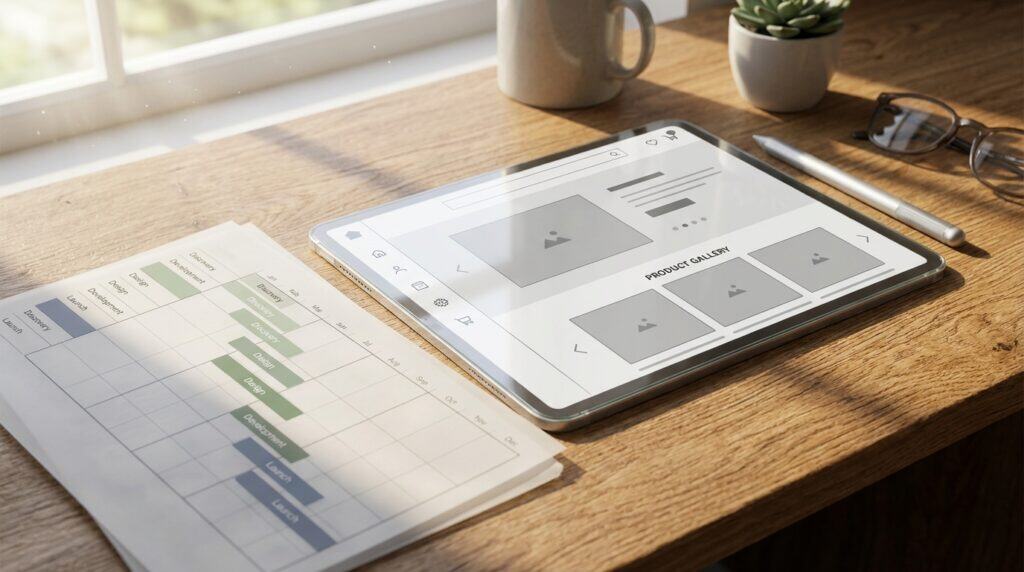
A successful web design project begins with a structured discovery and wireframing phase that sets the strategic foundation for the entire build. During these initial weeks, the focus remains on mapping out the user journey and defining the site architecture through low fidelity blueprints. This stage is vital for stakeholders to visualize the site structure without being distracted by colors or imagery, ensuring the functional requirements align with business goals. By finalizing the layout early, you prevent costly revisions during the later stages of development and keep the project on its projected four to twelve week trajectory.
Once the structural framework is approved, the project transitions into high fidelity UI design and backend development. This is where the visual identity comes to life through custom typography, color palettes, and interactive elements that reflect your brand. Simultaneously, developers work on the backend coding to ensure the site is fast, secure, and fully responsive across all modern devices. For a standard business site, this phase typically lasts two to four weeks and involves rigorous testing of contact forms and SEO integrations. This sequential approach ensures that the final product is not only aesthetically pleasing but also technically sound and ready for launch.
Essential Factors That Accelerate Or Delay Delivery
The most common bottleneck in any web design project is content readiness, as delays in providing copy and high resolution imagery can stall a project for weeks. While a professional business site typically takes between four to twelve weeks, this timeline assumes that all brand assets and messaging are prepared before the design phase begins. When clients have their site architecture and core text ready at the kickoff, the team can move directly into high fidelity prototyping without waiting for placeholders to be replaced. Proactive preparation ensures that the development team spends their time building functional features rather than chasing down missing files or waiting for internal approvals on marketing copy.
Efficient feedback loops act as the primary engine for maintaining momentum throughout the design and development stages. Projects that adhere to a strict 24 to 48 hour review window for design mockups often finish significantly faster than those with long, multi layered approval processes. When stakeholders consolidate their revisions into a single, cohesive document, it prevents the scope creep that occurs when fragmented requests arrive mid build. Establishing a clear communication protocol at the start of the engagement helps keep the project on track and ensures that the final product meets the original strategic goals.
Technical complexity, particularly regarding custom third party integrations, plays a significant role in determining whether a site launches in four weeks or twelve. Understanding website design and website development nuances helps in connecting a website to specific CRM platforms, advanced booking systems, or specialized e-commerce platforms which requires additional time for testing and data synchronization. While standard business sites with basic contact forms move quickly, any bespoke functionality requires extended testing phases to ensure security and performance. Understanding these technical requirements early in the planning process allows for a more accurate project schedule and prevents unexpected delays during the final deployment phase.
Mapping Your Web Design Project Timeline
Establishing a structured timeline is more than just a scheduling exercise, as it serves as the blueprint for a high quality digital presence. By understanding that a professional business site typically requires four to twelve weeks for completion, you can better manage your internal marketing calendar and resource allocation. A well defined schedule prevents the common pitfalls of rushed development, ensuring that every phase from initial wireframing to final quality assurance receives the attention it deserves. This methodical approach allows for thorough testing and refinement, which ultimately results in a more stable and effective end product. When you respect the logistical requirements of the build, you set the stage for a website that performs reliably from the moment it goes live.
Maintaining project momentum requires clear communication and proactive preparation from the very beginning. You can keep the development process on track by finalizing your content and branding assets before the technical build begins, which prevents costly mid project delays. Consistent feedback loops during the design phase also ensure that the project stays aligned with your vision without requiring extensive revisions later on. It is helpful to treat the timeline as a collaborative roadmap where both the client and the developer hold each other accountable for specific milestones. By prioritizing these organizational habits, you can transition smoothly from concept to creation within your target window.
As you plan your next digital investment, remember that a strong foundation is the key to long term scalability and performance. Choosing the right partner to guide you through these complex technical phases ensures that your site remains secure, fast, and user friendly. If you are ready to start building a site that drives real results, explore specialized service-based website solutions to see how professional development can streamline your journey. Professional teams are dedicated to helping you manage the complexities of the web design project timeline while delivering a premium digital experience. Discover how a tailored approach can transform your online presence into a powerful tool for business growth.
Frequently Asked Questions
1. How long does it typically take to complete a professional web design project?
Most professional business websites require a timeline of four to twelve weeks to ensure a high quality result. The exact duration depends on your specific vision, the complexity of the site, and how quickly you provide feedback during the design phases.
2. Can I launch a high conversion landing page in less than a week?
Yes, you can expect a streamlined landing page to move from initial concept to deployment within three to seven days. Because these single page builds focus on a narrow scope and a specific call to action, the design and approval process moves significantly faster than a full site.
3. What is the expected timeframe for a standard business website?
A standard business website with five to ten pages typically takes between two to four weeks to complete. This window provides enough time for essential search engine optimization, integrated contact forms, and a collaborative feedback loop to refine your brand messaging.
4. What factors are most likely to cause delays in my project timeline?
The most common bottlenecks occur during the content collection and stakeholder approval phases. You can keep your project on track by having your copy and images ready early and establishing a clear process for making final design decisions.
5. Why is it important to establish a realistic schedule before starting?
Setting a clear timeline prevents your project from being plagued by delays and ensures you maintain market relevance. A well structured schedule helps you balance the need for speed with the high quality functionality your audience expects.
6. How does technical complexity affect my launch date?
As you add more pages and advanced features, your development schedule will naturally expand. Aligning your expectations with these technical requirements early on allows you to reach your goals without compromising on the site’s performance or user experience. Before you begin, it is also helpful to understand how much a website cost based on the features you plan to include.