
For many small and medium-sized enterprises, handing over the keys to their digital storefront seems like a savvy shortcut to closing skill gaps and reducing overhead. However, failing to vet your partners properly can expose your business to significant outsource website maintenance risks that threaten your bottom line. When third parties gain access to your backend, any lapse in their security protocols becomes your vulnerability. With the majority of compromised websites tracing back to outdated software and neglected patches, the cost of a hands-off approach can be devastating.
True website health requires more than just keeping the lights on; it demands a partner committed to deep optimization rather than the bare minimum. Many vendors cut corners to save time, resulting in broken links, sluggish load speeds, and overlooked security audits that frustrate users and tank search rankings. Relying on a provider who treats maintenance as a checklist rather than a strategy often leads to a hollowed-out user experience. Protecting your digital assets requires a proactive stance that prioritizes quality control and rigorous data privacy standards over simple convenience.
Key Takeaways
- Handing over administrative access to external vendors creates significant security vulnerabilities that must be mitigated through granular access controls, multi-factor authentication, and strict offboarding protocols.
- Low-cost maintenance providers often perform only ‘bare minimum’ updates, leading to technical debt, broken links, and sluggish performance that damages both user experience and search engine rankings.
- Outsourcing can introduce hidden financial burdens, including high project management overhead, communication delays across time zones, and the loss of critical institutional knowledge.
- Effective website health requires a strategic partnership focused on proactive optimization and rigorous security audits rather than a reactive, checklist-based approach to maintenance.
Security Vulnerabilities And Third Party Access Control
Entrusting your website’s backend to an external vendor requires a high level of transparency regarding who exactly has administrative privileges. When you outsource maintenance, you are essentially handing over the keys to your digital storefront, which can lead to significant data privacy breaches if access is not strictly monitored. Many businesses fall into the trap of granting broad permissions to a third party without implementing a robust offboarding process or multi-factor authentication. This lack of control creates a massive surface area for potential attacks, especially if the vendor shares credentials among multiple staff members. A reliable partner should prioritize granular access controls to ensure that only authorized personnel can touch sensitive configurations.
Beyond human access risks, the technical integrity of your platform depends on the rigorous application of software updates and security patches. Statistics indicate that a staggering majority of hacked websites are running on outdated software, a common byproduct of a maintenance partner who only performs the bare minimum. If an external provider neglects these critical updates or fails to monitor for new vulnerabilities, your site becomes an easy target for automated bot attacks. This risk is particularly high when dealing with plugins and themes that require constant attention to remain compatible with the latest security standards. Professional maintenance must go beyond simple uptime checks to include deep security audits that fortify your site against evolving threats.
The decision to hire external help should ultimately enhance your security posture rather than weaken it through negligence or poor communication. Decision makers must vet potential partners on their specific security protocols for handling sensitive data and their frequency of manual security reviews. A lapse in these areas does more than just break a few links, as it can result in the total compromise of customer information and brand reputation. By choosing a partner that treats security as a proactive necessity rather than an afterthought, you can mitigate the inherent dangers of third party access. Ensuring that your vendor uses encrypted connections and follows industry best practices is the only way to truly protect your digital assets in an outsourced model.
Quality Control Gaps And Bare Minimum Support
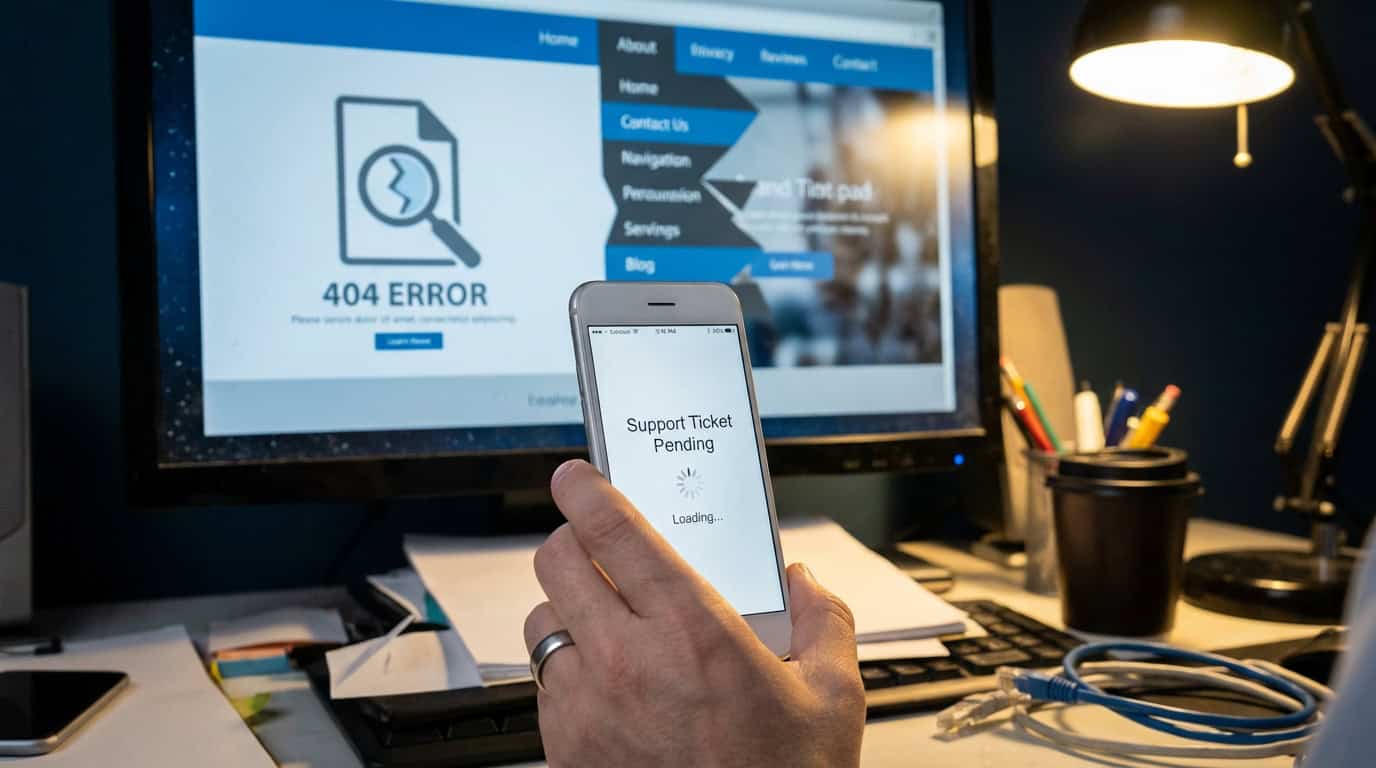
When businesses choose a maintenance partner based solely on the lowest price, they often fall into the trap of checkbox service. These vendors frequently perform the absolute bare minimum, such as clicking a single update button without verifying if the new software versions conflict with existing site architecture. This reactive approach ignores the deeper website health of your platform, leaving broken links and layout shifts to accumulate over time. Without a proactive eye, your website slowly degrades, frustrating users and signaling a lack of professionalism to potential clients.
A significant danger in these low-cost arrangements is the complete absence of rigorous security audits and performance tuning. Many outsourced providers skip the manual deep-dives required to identify sophisticated vulnerabilities or database bloat that slows down page load speeds. They might ignore critical optimizations that impact your search engine rankings, focusing only on keeping the site online rather than helping it thrive. This lack of attention to detail creates a false sense of security while your digital asset remains fragile and under-optimized.
Decision-makers must recognize that a reliable maintenance partner acts as a vigilant extension of their own team. Choosing a provider that prioritizes quality control ensures that security patches are tested in staging environments before going live on your production site. High-quality support goes beyond fixing what is broken and involves looking for ways to improve the user journey and harden data privacy. By avoiding partners who cut corners, you protect your brand reputation and ensure your website remains a high-performing tool for business growth.
Hidden Financial Costs And Communication Barriers
While the initial quote for an outsourcing contract might seem budget-friendly, decision-makers often overlook the substantial project management overhead required to keep external teams on track. Managing a third-party vendor demands significant internal time for coordination, reviewing deliverables, and correcting misunderstandings that would not occur with an in-house team. These administrative hours add up quickly, effectively increasing the total cost of ownership beyond the sticker price. Furthermore, without a partner who prioritizes transparency, you may find yourself paying for reactive fixes rather than proactive optimizations. This lack of strategic alignment often results in technical debt that requires expensive remediation in the future.
Communication barriers frequently manifest as time-zone delays that can turn a simple website update into a multi-day ordeal. When your business is offline or experiencing a critical bug, waiting twelve hours for a response from a different continent is a liability most SMEs cannot afford. These delays disrupt your marketing momentum and can lead to lost revenue during peak traffic periods. Beyond the clock, language nuances and cultural differences in technical execution can lead to a bare minimum approach where the vendor meets the letter of the contract but fails the spirit of the project. This friction slows down innovation and forces your internal staff to spend more time on quality control than on growth.
Relying entirely on external help also risks the permanent loss of institutional knowledge regarding your digital infrastructure. When a third-party team handles every update and configuration change, your internal stakeholders lose visibility into how the site actually functions. If that vendor relationship sours or the company closes, you are left with a black box that no one in your organization understands how to manage. This dependency creates a precarious situation where you are effectively locked into a specific provider because the cost of transitioning knowledge to a new partner is too high. Investing in a partnership that emphasizes documentation and collaborative workflows is the only way to mitigate this long-term financial and operational risk.
Strategic Mitigation Of Professional Outsourcing Risks
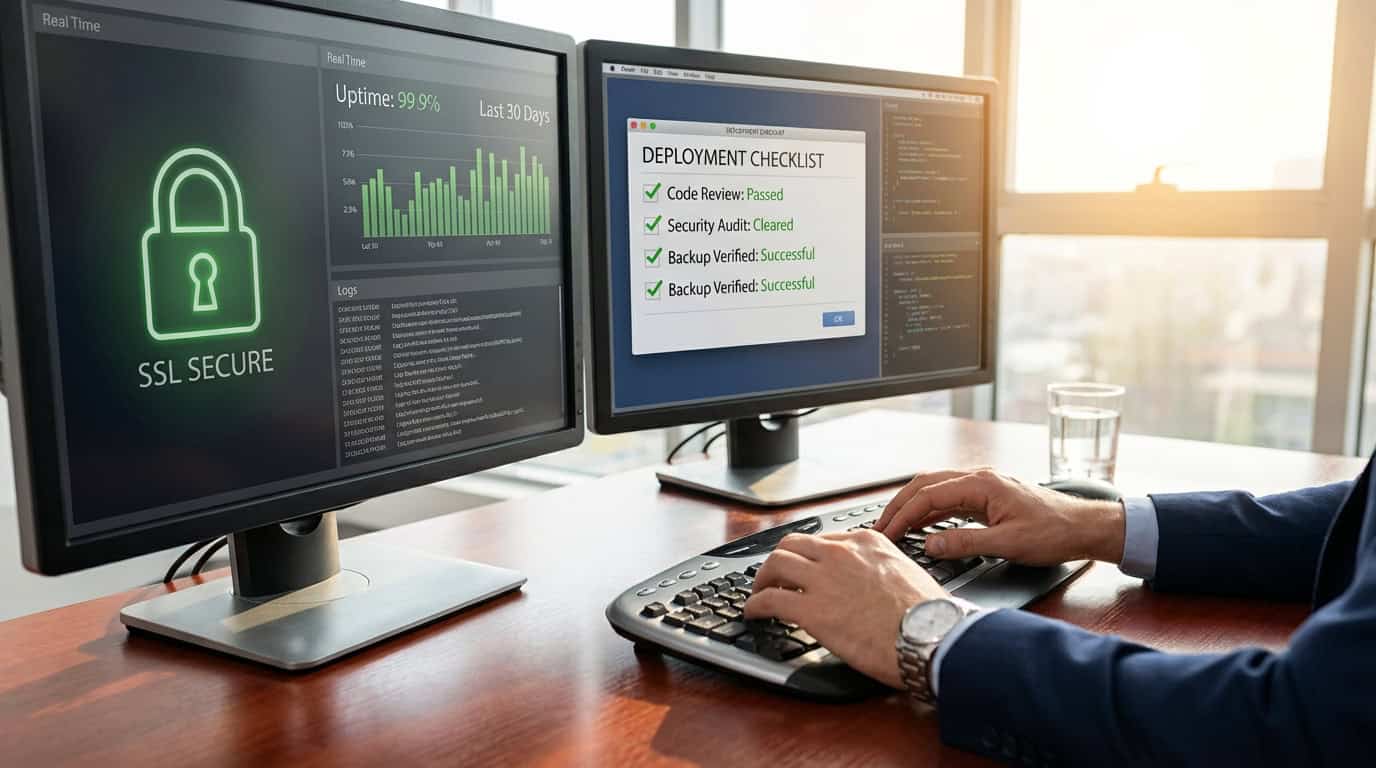
Choosing to outsource website maintenance requires a shift from viewing a vendor as a mere task-taker to seeing them as a strategic security partner. Decision makers often worry that external teams might prioritize speed over safety, potentially exposing the backend to vulnerabilities through weak protocols. To mitigate this risk, it is essential to establish a framework that demands rigorous security standards and regular audits as non-negotiable deliverables. A reliable partner should proactively address the fact that a significant majority of security breaches stem from outdated software and unpatched plugins. By formalizing these expectations in a service level agreement, you ensure that your digital assets are protected by more than just basic updates.
Transparency serves as the foundation for overcoming communication lapses and the common fear of bare minimum support. High-quality maintenance providers avoid the trap of cutting corners by implementing clear reporting structures that detail every optimization and security check performed. This level of visibility prevents the accumulation of technical debt, such as broken links or slow load times, which can quietly erode your brand reputation. Instead of reacting to problems after they occur, a professional partner uses monitoring tools to identify and resolve issues before they impact the user experience. This proactive approach transforms maintenance from a hidden risk into a consistent competitive advantage for your business.
Long-term site stability is best achieved through a partnership built on shared accountability and deep technical expertise. When vetting an external team, look for evidence of a holistic maintenance strategy that goes beyond simple plugin clicks to include database optimization and performance tuning. This comprehensive focus ensures that your website remains scalable and resilient as your business grows and digital threats evolve. By selecting a partner who treats your platform with the same care as an internal department, you bridge the skill gap without sacrificing quality control. Ultimately, the right outsourcing strategy replaces uncertainty with a reliable framework for sustained digital health and security.
Mitigating the Hidden Risks of Outsourcing
Entrusting your digital presence to an external partner requires a strategic balance between operational efficiency and rigorous risk management. While outsourcing can bridge technical gaps, decision makers must remain vigilant against the hidden costs of bare minimum support and potential security lapses. A hands-off approach often leads to outdated software and unpatched vulnerabilities, which account for a significant portion of security breaches. Establishing clear lines of communication and demanding transparent security protocols are non-negotiable steps for protecting your brand’s reputation and financial health.
Selecting a partner that prioritizes proactive optimization over reactive fixes ensures your website remains a high-performing asset rather than a liability. Technical failures or slow response times from a vendor can directly impact your user experience and search engine rankings, making quality control a top priority. By focusing on providers who offer deep security audits and consistent maintenance, you mitigate the danger of broken links and data privacy concerns. This professional oversight allows your leadership team to focus on scaling the business while maintaining a secure and reliable online environment.
Ultimately, the goal of outsourcing should be to enhance your technical capabilities without compromising on safety or performance. Managing these complexities is much easier when you have a dedicated team that understands the nuances of modern web infrastructure. To ensure your site remains fast, secure, and fully optimized for your audience, explore our comprehensive services designed to address these specific professional concerns. Our approach transforms website maintenance from a potential risk into a strategic advantage for your growing enterprise.
Frequently Asked Questions
1. What are the primary security risks when outsourcing website maintenance?
The most significant risk involves granting third parties access to your backend, which can expose your business to data breaches if the vendor lacks rigorous security protocols. You become vulnerable to any lapses in their internal safety standards, particularly regarding outdated software and unpatched vulnerabilities.
2. How can providing administrative access to a vendor compromise my data?
Granting broad permissions without strict monitoring or multi-factor authentication creates a massive surface area for potential attacks. If your partner shares credentials among their staff or lacks a robust offboarding process, you lose control over who can modify your digital storefront.
3. Why is bare minimum maintenance a threat to my business?
Vendors who treat maintenance as a simple checklist often cut corners, leading to broken links, sluggish load speeds, and overlooked security audits. This reactive approach results in a hollowed-out user experience that can frustrate your customers and cause your search engine rankings to tank.
4. What should I look for in a reliable maintenance partner?
You must prioritize partners who demonstrate a commitment to deep optimization and granular access control. Look for a provider who treats your website health as a long-term strategy rather than a series of shortcuts, ensuring they prioritize quality control and rigorous data privacy standards.
5. How does outsourcing maintenance affect my website’s search engine performance?
Poorly managed maintenance leads to technical issues like slow page performance and security vulnerabilities, both of which are major red flags for search engines. If your vendor neglects regular patches and optimization, your visibility in search results will likely suffer as a consequence.
6. What steps can I take to mitigate the risks of third party access?
You should implement a strict access management policy that includes multi-factor authentication and limited administrative privileges. Ensure your partner is transparent about their internal security processes and has a clear plan for revoking access when staff members leave or projects conclude.