
Ensuring your platform works for everyone is both a moral imperative and a legal necessity. Professional accessibility audit services provide the rigorous evaluation needed to meet complex standards like WCAG 2.2, ADA, and Section 508. By combining automated scanning with manual testing and real-world user validation, these services identify the hidden barriers preventing millions of users from engaging with your brand.
These audits transform abstract compliance requirements into a concrete remediation roadmap tailored for both executives and developers. You receive a detailed breakdown of your conformance level, prioritized by impact and effort, complete with the technical evidence required to fix issues fast. Beyond avoiding litigation, a comprehensive audit proves your commitment to digital equity while optimizing the user experience for every visitor.
Key Takeaways
- Automated scanning tools only detect approximately 30 percent of accessibility barriers, making expert manual testing and screen reader validation essential for true compliance.
- A professional audit provides a prioritized remediation roadmap that translates complex WCAG 2.2 standards into actionable code snippets and effort-based tasks for development teams.
- Formal accessibility documentation serves as a critical legal shield, providing the necessary evidence of due diligence to mitigate risks under the ADA and Section 508.
- Prioritizing digital equity expands market reach and optimizes the user experience for all visitors while fostering a brand reputation built on social responsibility.
Comprehensive Methodology For WCAG 2.2 Compliance Testing
Achieving full WCAG 2.2 compliance requires a sophisticated strategy that balances speed with human intuition. While automated scanning tools are essential for identifying high-volume technical errors like missing alt text or broken links, they typically only catch about 30 percent of total accessibility barriers. To mitigate legal risks and ensure a truly inclusive experience, our methodology integrates these rapid scans with rigorous manual testing performed by subject matter experts. This hybrid approach allows us to uncover complex logic issues, keyboard trap vulnerabilities, and focus order inconsistencies that software simply cannot detect. By combining these two layers of analysis, businesses receive a complete picture of their digital health rather than a superficial checklist.
Expert manual reviews focus on the nuanced interactions that define the modern user experience for individuals with disabilities. Our specialists utilize assistive technologies, including screen readers like JAWS and NVDA, to navigate your site exactly as a user with a visual impairment would. We meticulously test every interactive element, form field, and dynamic content update against the latest WCAG 2.2 standards to ensure functional interoperability. This level of scrutiny is vital for organizations that need to provide documented proof of due diligence and a clear roadmap for remediation. Our findings are presented with specific code snippets and severity ratings, giving your development team the precise data needed to prioritize fixes effectively.
The final output of this comprehensive audit serves as both a technical guide and a legal shield for your organization. Each report includes an executive summary for stakeholders that highlights overall conformance level across A, AA, and AAA standards. We provide detailed evidence of our methodology, including the specific environments and devices used during the testing phase to ensure transparency. This rigorous documentation supports your commitment to digital equity while significantly reducing the likelihood of expensive litigation. By investing in a professional audit that looks beyond automated results, you protect your brand reputation and open your digital products to the widest possible audience.
Detailed Technical Reporting And Remediation Roadmaps
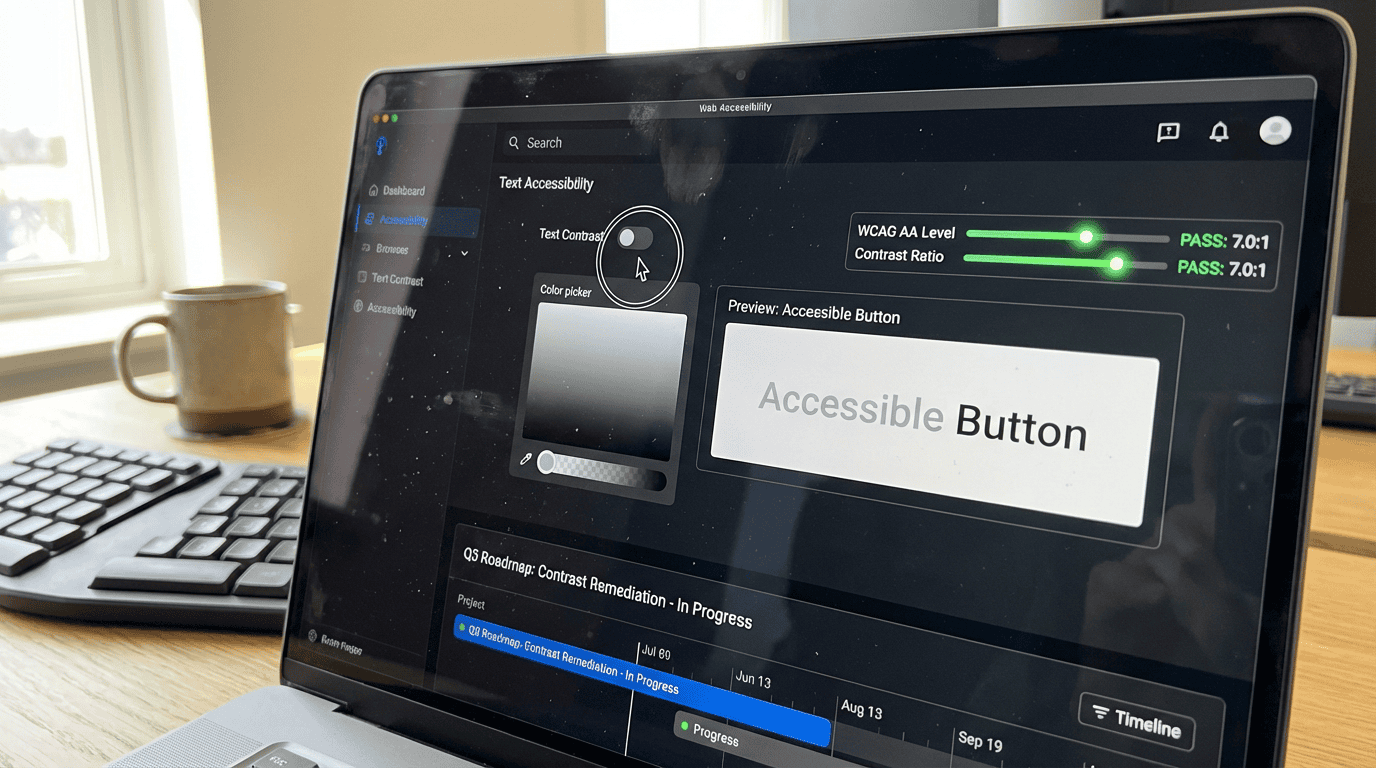
Professional accessibility audit services bridge the gap between identifying compliance gaps and implementing functional solutions through highly detailed technical reporting. Instead of receiving a vague list of errors, your development team receives a comprehensive breakdown of every barrier found during manual and automated testing. Each finding includes specific code snippets, clear visual evidence via screenshots, and a direct reference to the corresponding WCAG 2.2 success criteria. This level of detail ensures that engineers spend less time diagnosing the problem and more time executing precise fixes. By documenting the exact nature of each violation, these reports serve as an essential blueprint for bringing your digital assets into alignment with ADA and Section 508 standards.
A critical component of a professional audit is the remediation roadmap, which transforms a long list of issues into a manageable project plan. Every identified bug is assigned an impact assessment and a priority level, allowing stakeholders to focus on critical blockers that prevent users from completing essential tasks. This strategic approach helps businesses mitigate legal risks quickly by addressing high-visibility failures first. The roadmap also provides estimated effort levels for each fix, helping project managers allocate resources effectively across development sprints. By categorizing findings by their severity and complexity, the roadmap ensures that the path to compliance is both transparent and achievable for the entire organization.
Beyond immediate technical fixes, these reports provide the necessary legal due diligence proof required to demonstrate a commitment to digital inclusion. Executives can use the summary of conformance levels to track progress over time and report on the company’s accessibility posture to stakeholders. The inclusion of suggested remediation techniques and best practices helps educate internal teams, preventing the recurrence of similar accessibility debt in future updates. This structured methodology moves your organization away from reactive patching and toward a sustainable culture of inclusive design. Ultimately, a well-documented audit serves as a definitive guide for improving the user experience for everyone while protecting the business from potential litigation.
Mitigating Legal Risks Through Formal Accessibility Documentation
Formal accessibility audit services serve as a critical shield for organizations facing an increasingly litigious environment. By partnering with professional auditors, businesses move beyond simple automated scans to establish a rigorous record of due diligence that satisfies legal requirements under the ADA and Section 508. These services provide a comprehensive evaluation of your digital assets against complex WCAG 2.2 standards, ensuring that every barrier is identified and documented. This formal documentation acts as a vital insurance policy, proving to stakeholders and legal entities alike that your organization is actively prioritizing inclusion. Having a detailed paper trail of your testing methodology and remediation efforts can often be the difference between a swift resolution and a prolonged legal battle.
The technical depth provided in a professional audit report offers the concrete evidence needed to demonstrate conformance in a court of law or during a regulatory review. These reports go far beyond a simple pass or fail grade, offering detailed screenshots, code snippets, and screen reader testing results that validate your compliance status. By documenting specific conformance levels such as WCAG 2.1 AA, your organization creates a transparent roadmap that shows a good faith effort to provide equal access. This level of detail is essential for executive leadership and legal teams who must defend the company’s digital accessibility posture against international challenges like EN 301 549. Detailed findings help prioritize high impact issues, ensuring that resources are allocated efficiently to mitigate the most significant legal risks first.
Investing in professional audit services signals to the market and regulatory bodies that your commitment to accessibility is both proactive and permanent. Rather than reacting to a demand letter, companies that maintain up to date audit documentation can demonstrate a consistent history of accessibility maintenance and improvement. This systematic approach to documentation provides a clear defense by showing that accessibility is integrated into the development lifecycle rather than treated as an afterthought. Expert auditors provide the objective, third party validation that internal teams often lack, adding a layer of credibility to your compliance claims. Ultimately, this formal proof of conformance protects your brand reputation while ensuring a seamless, barrier free experience for all users.
Building an Inclusive Digital Future
Investing in professional accessibility audit services is a decisive step toward transforming your digital presence into a truly inclusive environment. By moving beyond simple automated scans to include manual testing and screen reader validation, these services identify the nuanced barriers that prevent users with disabilities from fully engaging with your brand. This comprehensive approach ensures that every visitor, regardless of their physical or cognitive abilities, experiences a seamless and intuitive interface. Ultimately, prioritizing inclusivity through an expert lens enhances your overall user experience and broadens your market reach to a more diverse audience.
Securing a long term compliance posture requires more than a one time fix, it demands a strategic roadmap for ongoing digital health. Professional audits provide the necessary legal due diligence by documenting your conformance levels against critical standards like WCAG 2.2, the ADA, and Section 508. These detailed reports serve as vital evidence of your commitment to accessibility, effectively mitigating the risk of costly litigation and regulatory scrutiny. By establishing a clear baseline of compliance today, your business builds a resilient foundation that can adapt to evolving legal requirements and technological shifts.
Partnering with accessibility experts empowers your entire team, from executive leadership to front end developers, with actionable insights and prioritized remediation strategies. These services translate complex technical requirements into clear tasks, allowing your organization to address high impact issues with efficiency and precision. As your digital products become more accessible, you foster a brand reputation built on social responsibility and technical excellence. This proactive investment not only secures your business against immediate risks but also ensures your digital assets remain competitive and welcoming in an increasingly regulated environment.
Frequently Asked Questions
1. Why is a professional accessibility audit necessary for my business?
A professional audit ensures your platform is inclusive for all users while fulfilling legal requirements under the ADA and Section 508. It transforms complex WCAG standards into a prioritized roadmap that helps you avoid litigation and demonstrate a commitment to digital equity.
2. Can I rely solely on automated scanning tools for compliance?
No, because automated tools typically only identify about 30 percent of total accessibility barriers. You must integrate manual testing by experts to uncover complex logic issues, keyboard traps, and focus order inconsistencies that software cannot detect.
3. What standards are used to measure digital accessibility?
The primary benchmark is the Web Content Accessibility Guidelines (WCAG) 2.2, which provides the technical foundation for global inclusivity. Following these standards ensures your site remains compliant with specific legal frameworks like the ADA and Section 508.
4. What deliverables should I expect from an accessibility audit?
You will receive a comprehensive report containing technical evidence, a breakdown of your current conformance level, and a remediation roadmap. This documentation is prioritized by impact and effort to help your developers fix issues efficiently.
5. How does manual testing improve the user experience?
Manual reviews focus on the nuanced interactions that automated tools miss, such as how assistive technologies interact with your site. Specialists evaluate the real world experience of users with disabilities to ensure your platform is truly functional rather than just technically compliant.
6. How does an audit benefit my brand beyond avoiding lawsuits?
Beyond risk mitigation, a comprehensive audit optimizes the user experience for every visitor and expands your market reach to millions of users. It signals to your audience that your brand values inclusivity and is dedicated to providing equal access for everyone.