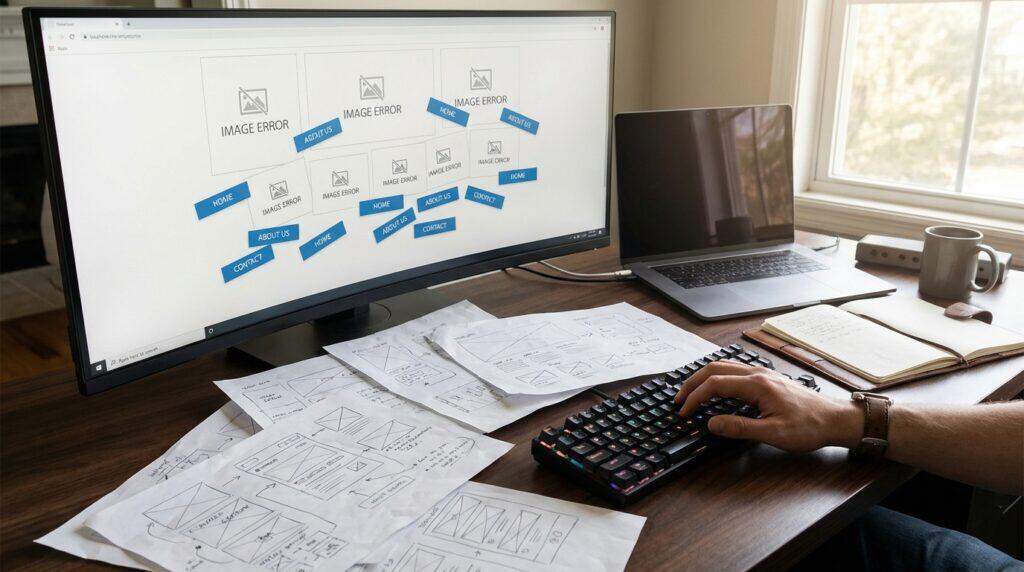
Visitors form a lasting opinion of a brand within 50 milliseconds. While a refresh offers a vital opportunity to modernize an image, the process involves high-stakes risks that can alienate loyal users and damage search engine rankings. Avoiding common mistakes requires more than just a visual overhaul; it demands a strategic balance between aesthetics and technical integrity.
A successful transformation must be driven by data rather than a simple desire for a new look. With 88% of users unlikely to return after a single poor experience, every decision from site architecture to mobile responsiveness impacts the bottom line. By focusing on measurable goals like conversion rates and user retention, organizations ensure a new interface delivers actual business value. Prioritizing the user journey prevents a project from becoming a costly aesthetic exercise.
Key Takeaways
- Prioritize technical performance over pure aesthetics to prevent slow load times and high bounce rates that alienate the 88% of users who won’t return after a poor experience.
- Establish SMART business objectives and data-driven benchmarks before beginning a redesign to ensure the new site functions as a high-performing asset rather than a decorative expense.
- Maintain navigation intuition and a mobile-first design to avoid frustrating loyal users and damaging search engine rankings with over-complicated or non-responsive interfaces.
- Execute a meticulous SEO migration plan, including 301 redirect mapping, to protect years of organic ranking equity and prevent catastrophic traffic loss.
Prioritizing Visual Aesthetics Over Technical Performance
Established businesses often fall into the trap of treating a website redesign as a purely artistic endeavor rather than a functional business tool. While high resolution imagery and cinematic background videos can create a striking first impression, they frequently come at a heavy cost to the underlying technical infrastructure. When these heavy assets are not properly optimized, they significantly increase page weight and slow down server response times. This technical debt creates an immediate barrier for users who expect a seamless experience. If a site takes longer than a few seconds to load, even the most beautiful design will fail to convert because the audience will have already abandoned the tab.
The impact of prioritizing aesthetics over performance is most visible in skyrocketing bounce rates and diminished search engine visibility. Modern search engines prioritize user experience metrics, meaning that a slow, image heavy site may actually lose the search engine rankings the original site worked years to build. Complex animations and parallax scrolling effects can also stutter on mobile devices, alienating a massive portion of the potential customer base. Instead of focusing solely on visual impact, businesses must ensure that every design element serves a specific conversion goal without hindering site speed. A professional audit can help identify where these visual enhancements are hurting the bottom line before the new site goes live.
Maintaining a balance between modern branding and technical efficiency is the hallmark of a successful professional redesign. Users form an opinion of a brand in milliseconds, and a lagging interface suggests a lack of technical competence. High performance sites utilize modern compression techniques and lean code to deliver a premium feel without heavy load times. By focusing on a performance first methodology, businesses protect existing traffic while providing a fresh look that supports growth targets. Avoiding these common pitfalls ensures that an investment in a new look results in measurable business success rather than just a digital trophy.
Redesigning Without Clear SMART Business Objectives

Many established businesses treat a website redesign as a purely aesthetic makeover rather than a strategic business evolution. While a modern visual interface is important for making a strong first impression, focusing solely on looks often results in a site that fails to drive revenue. Without defining specific SMART objectives, such as a 20 percent increase in lead generation or a reduction in funnel abandonment, companies risk investing significant capital into a project that does not solve underlying performance issues. A site that looks beautiful but lacks a clear conversion path is essentially a digital billboard that potential clients will likely ignore.
Launching a redesign without measurable goals makes it nearly impossible to determine if the investment was actually successful. Professional audits frequently reveal that underperforming sites suffer from structural flaws that a new color palette or updated typography cannot fix. By prioritizing metrics like user engagement rates and specific conversion milestones, organizations ensure that every design choice serves a functional purpose. This data-driven approach transforms the website from a static expense into a high-performing asset that actively supports long-term growth. Failing to align a new design with these concrete business requirements often leads to a second, costly redesign much sooner than anticipated.
To avoid these common pitfalls, companies must benchmark current site performance before any creative work begins. This baseline allows for realistic targets, such as improving page load speeds to retain the 88 percent of users who typically leave after a poor experience. When the focus remains on the mechanics of the customer journey, it creates a seamless environment that guides visitors toward a desired action. A strategic audit can help identify the exact gaps between current performance and future objectives, ensuring the new site is built for results. Investing in this level of strategic planning protects search rankings and ensures a brand remains competitive.
Neglecting User Experience And Navigation Intuition
One of the most dangerous traps in a website redesign is over-complicating the interface in a misguided attempt to appear modern. When established businesses replace familiar layouts with abstract visuals or hidden menus on desktop views, they inadvertently destroy the navigation intuition loyal customers have built over years. This friction forces users to relearn how to interact with the brand, often leading to immediate frustration and high bounce rates. A successful redesign must prioritize clarity over cleverness, ensuring that the path to conversion remains obvious and unobstructed for every visitor.
Ignoring mobile-first functionality is a critical error that can alienate more than half of a potential audience instantly. Many businesses still make the mistake of designing for a large monitor first and treating the mobile experience as a secondary, scaled down afterthought. This often results in tiny touch targets, overlapping text, and broken layouts that make it impossible for users to navigate on the go. Since search engines and users alike now judge what makes a good website primarily by its mobile-first design and performance, failing to optimize for small screens can devastate brand reputation and search rankings.
Disrupting the established user journey without a data driven strategy can turn a high stakes redesign into a costly liability. If existing customers are used to finding specific resources or support portals in a particular location, moving those elements without clear visual cues creates unnecessary cognitive load. The goal of a professional audit is to identify which legacy elements are working and which are truly outdated, allowing for a transition that feels like an upgrade rather than a total upheaval. By focusing on user experience, organizations ensure that a new site serves as a functional tool for growth rather than just a superficial cosmetic change.
Overlooking Search Engine Optimization Migration Risks

One of the most devastating mistakes a business can make during a redesign is treating the website as a blank slate without accounting for existing search engine equity. Years of organic ranking progress can be wiped out in a single afternoon if URL structures change without a comprehensive 301 redirect map. When search engine crawlers encounter 404 Not Found errors on pages that used to drive significant traffic, authority scores plummet and visibility vanishes. This technical oversight turns a brand refresh into a digital catastrophe that can take months or even years to recover from.
Established businesses often underestimate how much their current site structure contributes to the bottom line until that revenue stream disappears. Failing to conduct a thorough SEO audit before the development phase means navigating the high stakes of legacy site migration risks that were previously hidden in the content. A successful SEO migration plan requires a meticulous plan that matches every old URL to its most relevant new counterpart to ensure link equity and user trust remain intact. Without this strategic bridge, a business is essentially starting its online presence from zero and surrendering a competitive advantage to rivals.
A professional audit is the only reliable way to safeguard search rankings during a transition to a more modern platform. Expert oversight ensures that metadata, internal linking structures, and technical schema are properly translated to the new environment. By addressing these migration risks early, businesses can focus on aesthetic improvements without the fear of losing the organic traffic that sustains the operation. Protecting digital assets requires a proactive approach that prioritizes data integrity alongside visual innovation.
Strategic Pitfalls of Outdated Website Redesigns
Redesigning an outdated website is a high stakes undertaking that requires far more than a simple cosmetic facelift. For established businesses, the risk of alienating existing users or destroying hard earned search engine rankings is a constant threat when strategy is overlooked. Because users form a lasting opinion of a brand in as little as 50 milliseconds, every structural and aesthetic choice must be rooted in clear, measurable objectives. A successful project moves beyond just looking modern by prioritizing user experience and functional performance to ensure that 88 percent of visitors do not abandon the site after a single poor interaction.
Avoiding the most common pitfalls requires a strategy first mindset that aligns a digital presence with specific business goals. Many organizations fall into the trap of a goal-less redesign, failing to implement SMART objectives like reducing bounce rates or increasing lead generation by a defined percentage. Without a professional roadmap, critical technical elements or mobile responsiveness may be overlooked, leading to a site that looks beautiful but fails to convert. By identifying these vulnerabilities early through a comprehensive evaluation, businesses can protect their investment and ensure the new platform serves as a powerful engine for growth.
To ensure a digital transformation is successful and free from technical errors, it is essential to partner with experts who understand the complexities of modern web architecture. A professional audit can help identify hidden issues and implement the most effective strategies for unique business needs. Professional services can transform the approach to redesigning outdated websites and help avoid the costly mistakes that hold a brand back. Taking this proactive step ensures a new site is not only visually stunning but also fully optimized for long term performance and user retention.
Frequently Asked Questions
1. How long do I have to make a good impression on a new visitor?
You have only 50 milliseconds to capture a visitor’s trust before they form a lasting opinion of your brand. This tiny window of time determines whether a user stays to explore your content or leaves for a competitor.
2. Why is it a mistake to focus only on how my website looks?
Treating a redesign as a purely artistic endeavor often leads to heavy assets like unoptimized videos that slow down your site. If your beautiful design takes more than a few seconds to load, users will abandon the page before they even see your work.
3. How can a redesign negatively affect my search engine rankings?
Search engines prioritize user experience and page speed when determining where your site appears in results. By neglecting technical performance in favor of high resolution imagery, you risk increasing your bounce rate and losing your current search engine visibility.
4. What should drive the decision making process during a redesign?
Your transformation must be driven by data and measurable goals rather than a simple desire for a new look. Focus on objective metrics like conversion rates, user retention, and site architecture to ensure the project delivers actual business value.
5. What is the risk of a poor user experience on a redesigned site?
Research shows that 88 percent of users are unlikely to return to a website after a single poor experience. Failing to prioritize the user journey can turn your expensive redesign into a costly exercise that alienates your most loyal customers.
6. How do I balance aesthetics with technical integrity?
You must optimize all visual assets to ensure they do not increase page weight or slow down server response times. A successful strategy prioritizes a seamless user experience and mobile responsiveness to support your bottom line. Using a redesign agency checklist can help you find partners that prioritize these technical requirements.