Digital retail has shifted dramatically by 2026, transforming decoupled architecture from an experimental tech trend into a mandatory growth engine. With 73% of businesses operating on these flexible systems, scaling brands are evaluating who needs headless commerce to maintain a competitive edge. As consumer expectations expand across mobile apps, smart devices, and social platforms, traditional monolithic setups actively stifle revenue potential.
Delivering a seamless experience across multiple touchpoints requires an agile foundation that maintains a single source of truth. Brands executing a strong omnichannel strategy powered by modern infrastructure retain an average of 89% of their customers. For ambitious retailers selling beyond a standard website, upgrading to a decoupled backend is the most effective way to push consistent, real-time data to every digital interface without compromising speed or performance.
Key Takeaways
- Headless commerce has evolved from an experimental trend into a strategic necessity, with 73% of businesses adopting this decoupled architecture to maintain a competitive edge.
- Decoupling the front-end and back-end enables enterprises to deliver seamless, real-time experiences across diverse digital touchpoints, driving an average customer retention rate of 89%.
- Separating heavy backend processing from the user interface eliminates sluggish page loads and gives developers total control to optimize site speed and search engine rankings.
- High-growth brands managing multiple international markets or sub-brands can scale efficiently by controlling global inventory and customized storefronts from a single unified commerce engine.
Omnichannel Retailers And Multi-Touchpoint Brands
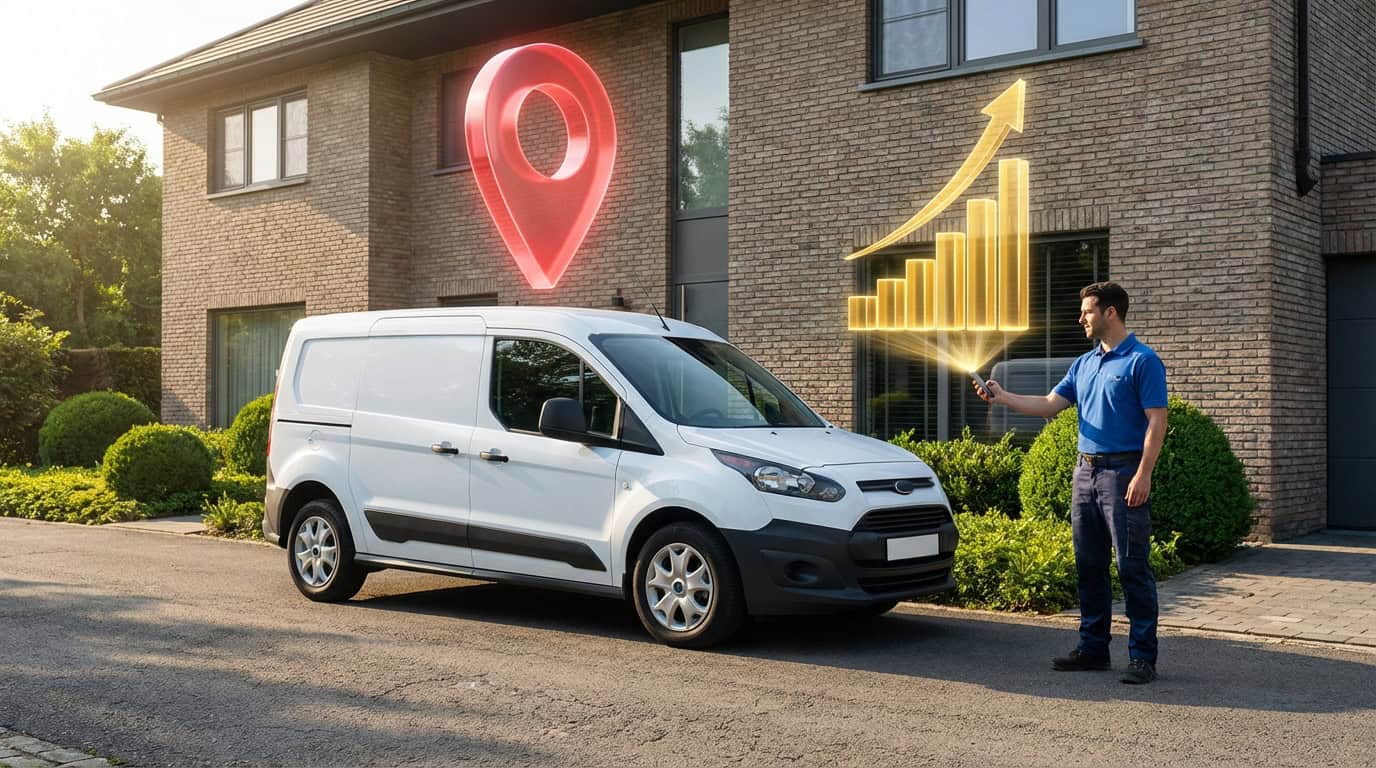
High-growth brands operating across mobile applications, smart in-store kiosks, and wearable devices quickly outgrow traditional monolithic platforms. These legacy systems struggle to push consistent inventory and pricing data to non-web interfaces. When an enterprise relies on a tightly coupled front-end and back-end, delivering seamless experiences across multiple touchpoints becomes an architectural challenge. Companies forcing legacy platforms to serve modern interfaces often face sluggish performance and fragmented customer journeys. Upgrading to a modern architecture removes these operational bottlenecks and prepares large-scale retailers for the next evolution of digital commerce.
Headless commerce solves this fragmentation by utilizing decoupled APIs to distribute content uniformly across every digital storefront. This separation allows enterprise developers to leverage structured JSON-LD data, ensuring emerging AI shopping agents can instantly read and process accurate product catalogs. By maintaining a single source of truth in the back-end, businesses guarantee that a price update or inventory change reflects instantly on a mobile app, smartwatch, or interactive retail display. Centralized control eliminates data silos and empowers marketing teams to launch new digital touchpoints without disrupting existing infrastructure. A decoupled approach provides the technical agility required to dominate a highly competitive retail sector.
The shift toward this API-first methodology has transitioned from an experimental concept to a strategic necessity for high-volume merchants. Market data from 2026 reveals that 73 percent of businesses have adopted headless architecture to support expansion goals. Brands successfully executing a robust multi-touchpoint strategy retain 89 percent of their customer base on average. Enterprise e-commerce clients investing in this advanced infrastructure position themselves to capture higher market share while avoiding the limitations of rigid legacy software. If your organization requires seamless scalability across diverse digital environments, transitioning to a headless framework is the logical path forward.
Performance-Obsessed E-Commerce Operations
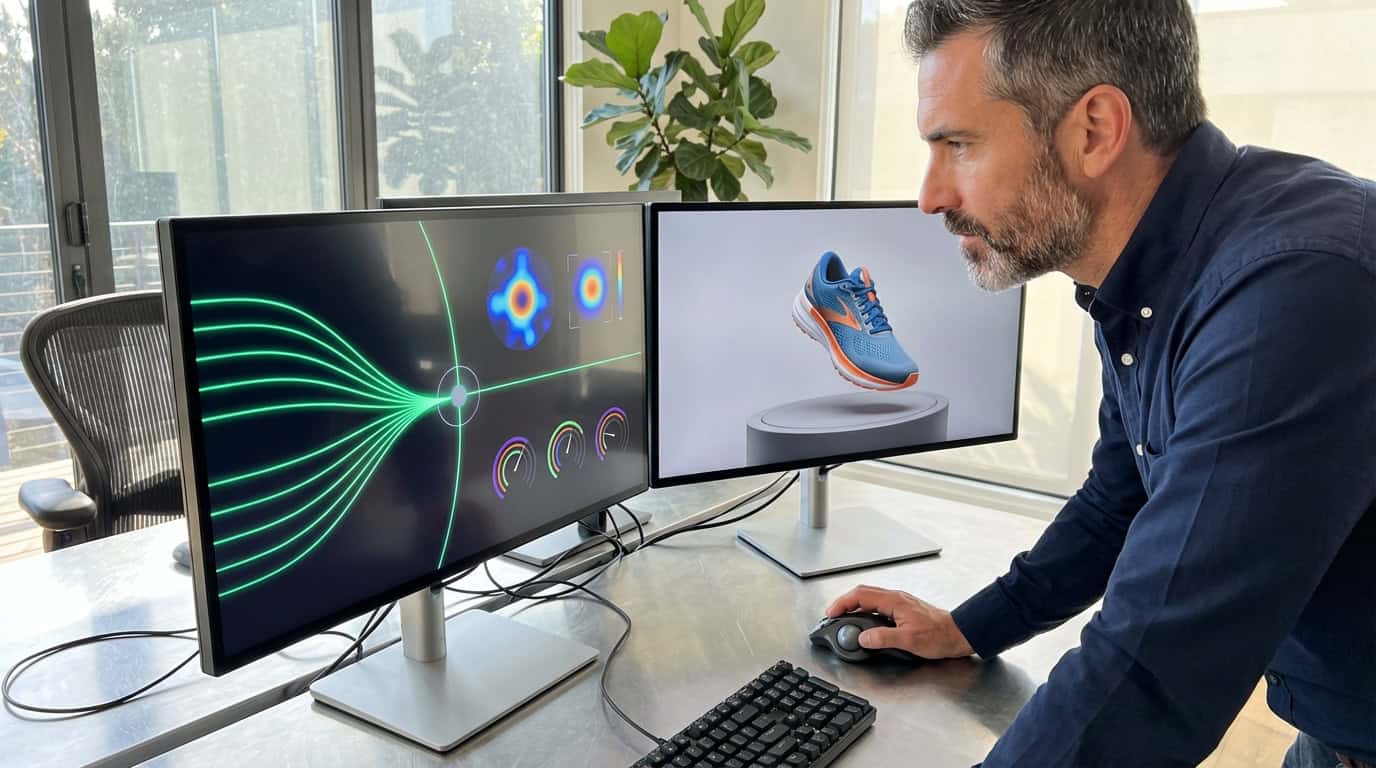
High-growth enterprise brands understand that every millisecond of page load time directly impacts the bottom line. When monthly revenue scales into the millions, even a fraction of a second delay in rendering a product page can result in massive cart abandonment rates. Traditional monolithic platforms often buckle under the weight of complex catalogs and high traffic volumes, creating sluggish user experiences that drive ready-to-buy customers away. Performance-obsessed operations require a system that decouples heavy backend processing from the customer-facing interface. Removing these structural bottlenecks allows businesses to achieve fast rendering speeds that keep shoppers engaged and converting.
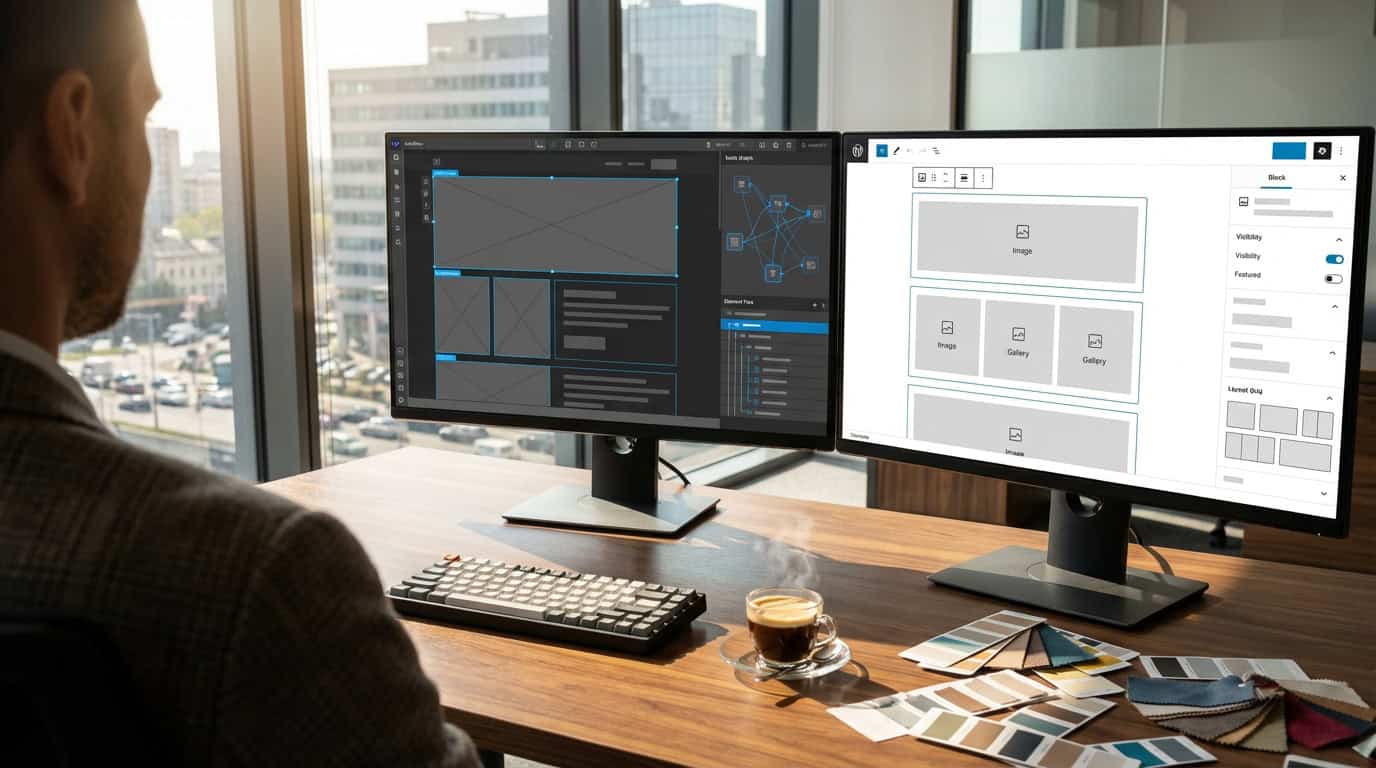
Beyond basic site speed, strict search engine optimization requirements demand absolute control over how a storefront is built and delivered to users. Standard all-in-one e-commerce solutions frequently restrict developers from optimizing core web vitals, limiting a brand’s ability to rank competitively in search results. Headless architecture eliminates these rigid templates by allowing development teams to build custom, highly optimized front-end experiences using modern frameworks. Total technical freedom means you can fine-tune every element of the user interface to satisfy both algorithmic ranking factors and human usability standards. This level of granular control transforms a storefront from a restrictive liability into a powerful engine for organic digital growth.
Transitioning to this advanced framework is not for every small business, but it has become a strategic necessity for scaling enterprises in 2026. With nearly three-quarters of businesses adopting headless solutions, relying on outdated monolithic systems guarantees a severe competitive disadvantage. Companies processing high transaction volumes need an architecture that scales infinitely while maintaining flawless performance across global markets. Investing in a decoupled setup empowers engineering teams to deploy front-end updates rapidly without risking backend stability or checkout security. If your current platform dictates technical capabilities rather than supporting growth targets, a strategic upgrade to headless commerce is the definitive next step.
Complex Multi-Region And Multi-Brand Enterprises
For enterprise organizations expanding across international borders, managing multiple localized storefronts on a traditional monolithic platform quickly becomes a logistical challenge. These legacy systems force technical teams to duplicate backend environments for every new region, drastically increasing maintenance costs and slowing down time to market. Headless commerce eliminates this friction by decoupling the frontend presentation layer from the core backend logic. This architectural shift allows high-growth brands to control global inventory, complex international pricing, and diverse currency conversions from a single unified backend. Companies can deploy highly customized, region-specific shopping experiences without rebuilding their entire infrastructure for each new market.
Beyond geographic expansion, corporate groups managing distinct sub-brands face similar scalability roadblocks when relying on rigid commerce platforms. A headless approach empowers these conglomerates to launch unique, highly tailored frontend interfaces for each individual brand while routing all transactions through one central commerce engine. Marketing teams gain the freedom to craft bespoke visual identities and user journeys that resonate with specific target demographics. Operational leaders benefit from consolidated data analytics, streamlined order fulfillment, and unified customer profiles across the entire brand portfolio. By centralizing complex backend operations, enterprises can scale their digital footprint efficiently and maintain the agility needed to acquire or launch new brands seamlessly.
As headless commerce reaches a 73 percent adoption rate in 2026, it is no longer an experimental luxury but a strategic baseline for serious enterprise operations. Small retailers with straightforward catalogs may still find value in standard all-in-one solutions, but businesses managing complex global ecosystems quickly outgrow those basic limitations. Investing in decoupled architecture requires a higher initial commitment to advanced development, yet it delivers unmatched long-term returns for organizations handling massive transaction volumes. Enterprise leaders must recognize that attempting to force a monolithic system to perform multi-region and multi-brand operations will ultimately stifle global growth. Transitioning to a headless framework provides the robust, scalable foundation necessary to dominate international markets and secure a competitive advantage.
High-Volume Stores Hitting Monolithic Limitations

High-growth e-commerce brands eventually reach a critical threshold where traditional platforms transform from helpful foundations into restrictive bottlenecks. These monolithic systems often force rapidly scaling businesses to compromise unique brand experiences due to rigid templates. As traffic and transaction volumes surge, merchants frequently encounter severe API rate limits that cripple integrations with essential backend tools. When technical infrastructure dictates the customer experience rather than supporting it, the business is likely outgrowing its current setup. Recognizing these systemic friction points is the first crucial step toward realizing that a modern architectural upgrade is no longer optional.
Another glaring indicator that a monolithic platform is failing an enterprise is an inflexible checkout flow that abandons conversions at the final hurdle. Standardized carts cannot easily accommodate complex pricing models, custom localized payment gateways, or intricate global purchasing requirements. Pushing consistent product data across mobile apps, smart devices, and social commerce channels becomes a logistical challenge without a centralized source of truth. Traditional architectures struggle to syndicate content effectively to these diverse, non-web touchpoints. With a significant majority of businesses adopting decentralized frameworks, clinging to a tightly coupled frontend and backend severely limits omnichannel potential.
Transitioning to a decoupled framework is not a universal necessity for every small shop, but it is a strategic requirement for high-volume industry leaders. Enterprise merchants handling massive catalogs and complex global operations need the freedom to innovate without platform constraints. By separating the presentation layer from the commerce engine, development teams can deploy rapid updates and bespoke features without risking backend stability. This architectural maturity allows ambitious brands to future-proof their digital ecosystems and capture market share across emerging digital channels. If your business vision demands custom digital experiences that current software cannot execute, headless commerce is the definitive solution.
Is Headless Commerce Right for Your Business?
The ideal candidate for headless commerce is a high-growth enterprise that has outgrown the rigid constraints of traditional monolithic platforms. If your business manages complex omnichannel touchpoints, requires rapid scaling, and demands fast page load speeds across multiple devices, this decoupled architecture is a necessity. Small retailers with simple product catalogs and basic web layouts are typically better served by standard template solutions. However, brands managing multiple storefronts, international markets, and heavy content integrations need the flexibility that only an API-first approach can provide. Investing in this advanced infrastructure ensures your digital presence remains agile enough to adapt to emerging consumer technologies without requiring a complete system overhaul.
Transitioning to a headless framework represents a significant strategic investment requiring specialized technical expertise and careful planning. Enterprise decision-makers must evaluate their long-term digital roadmap to ensure their underlying architecture can support ambitious growth targets. Partnering with experienced developers allows you to seamlessly connect preferred frontend experiences with robust backend commerce engines. To learn more about how our expert team can help you determine who needs headless commerce and execute a flawless migration, explore our comprehensive services. We are ready to help you build a future-proof commerce ecosystem that drives conversions and elevates your brand across every digital touchpoint.
Frequently Asked Questions
1. Who exactly needs headless commerce?
Ambitious retailers and high-growth brands selling across multiple digital touchpoints need headless commerce. If your business operates through mobile apps, smart devices, and social platforms, this architecture is essential for growth. It provides the agility required to maintain a seamless customer experience everywhere you sell.
2. How does a monolithic setup affect my omnichannel strategy?
Traditional monolithic platforms actively stifle revenue potential by struggling to push consistent data to non-web interfaces. When relying on a tightly coupled front-end and back-end, delivering a seamless experience across multiple touchpoints becomes an architectural challenge. This often leads to sluggish performance and highly fragmented customer journeys.
3. What is the main benefit of upgrading to a decoupled architecture?
The biggest advantage is the ability to push consistent, real-time data to every digital interface without compromising speed or performance. Upgrading removes operational bottlenecks and prepares your retail business for the next evolution of digital commerce. It also allows you to maintain a single source of truth across all sales channels.
4. Can headless commerce improve my customer retention rates?
Yes, executing a strong omnichannel strategy powered by modern headless infrastructure significantly boosts customer loyalty. Brands utilizing this flexible system currently retain an average of 89 percent of their customers. By delivering a seamless experience across all touchpoints, you keep buyers engaged and returning.
5. How does headless commerce handle content distribution across different devices?
Headless commerce solves fragmentation by utilizing decoupled APIs to distribute content uniformly. This means inventory, pricing, and product details flow perfectly to mobile applications, smart in-store kiosks, and wearable devices. You can effortlessly manage everything from a single backend while serving any front-end experience customers expect.
6. Is headless commerce considered an experimental technology?
This technology is no longer an experimental trend. It has fully transformed into a mandatory growth engine for modern retail. With 73 percent of businesses operating on these flexible systems, adopting a decoupled architecture is crucial for maintaining a competitive edge.
7. Will a decoupled backend slow down my website performance?
Upgrading to a decoupled backend is the most effective way to ensure high speeds and reliable performance. Unlike legacy systems that become sluggish when serving modern interfaces, a headless setup removes operational bottlenecks. You achieve fast load times while pushing real-time data to every digital storefront.