
In 2026, the push to implement artificial intelligence and real-time analytics faces a significant obstacle: the digital anchor. While boards demand rapid innovation, most organizations remain tethered to aging systems that consume up to 80% of IT budgets just to stay operational. Addressing legacy software integration challenges is no longer a technical niche but a survival requirement for the 65% of global leaders currently facing critical performance bottlenecks.
With 95% of organizations struggling to bridge the gap between old and new architectures, the stakes for modernization are high. The integration crisis has left only a fraction of businesses with a truly unified digital ecosystem, while others risk falling behind due to mounting technical debt. Success requires transforming these rigid silos into agile assets before maintenance costs stifle the ability to compete.
Key Takeaways
- Legacy systems act as digital anchors, consuming up to 80% of IT budgets for maintenance and leaving minimal resources for AI-driven innovation.
- Monolithic architectures create an AI readiness gap because their rigid data structures and lack of native APIs cannot provide the real-time, high-quality data required for machine learning.
- The erosion of institutional knowledge poses a critical risk, as the retirement of original developers transforms undocumented codebases into volatile liabilities that are difficult to update or integrate.
- Modernization projects face an 80% failure rate due to hidden dependencies and fragmented data silos that cause system-wide bottlenecks when connected to modern web interfaces.
The AI Readiness Gap In Monolithic Architectures
Monolithic architectures often function as anchors that prevent established businesses from participating in the artificial intelligence movement. These aging systems were built for stability rather than agility, resulting in rigid data structures that cannot easily feed the algorithms of modern machine learning workflows. Without a native API-first design, extracting high-quality data for autonomous agents becomes a manual and error-prone process that leads to significant latency. Many organizations find that legacy databases lack the necessary metadata and labeling required for effective model training. This structural mismatch creates a widening AI readiness gap between companies that can leverage real-time insights and those stuck in batch processing cycles.
Attempting to add advanced AI to a legacy core without a modernization strategy is a common mistake that leads to high failure rates. Most autonomous agents require seamless, bidirectional communication between the web front end and the underlying database to perform complex tasks. When an organization relies on outdated middleware or fragile point-to-point integrations, these agents frequently encounter bottlenecks or security vulnerabilities. The financial burden of maintaining these inefficient connections consumes the vast majority of IT budgets, leaving little room for innovation or scaling. Businesses must prioritize bridging this technical debt to ensure data remains accessible and actionable for the next generation of digital tools.
Erosion Of Institutional Knowledge And Undocumented Codebases
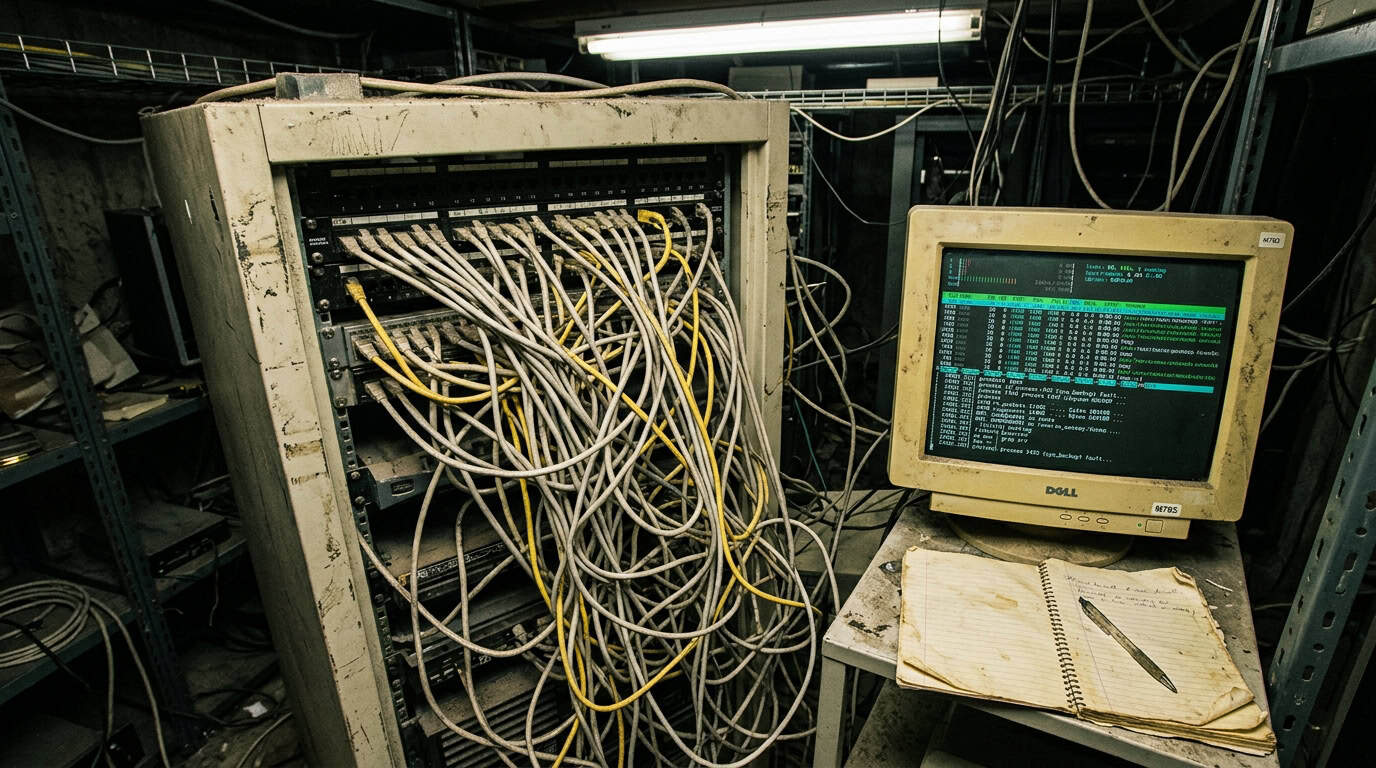
The most significant risk in modernizing legacy infrastructure is the disappearance of the experts who built it. As the original architects of COBOL databases or early .NET frameworks reach retirement age, they take decades of institutional knowledge and undocumented logic with them. This creates a situation where current IT teams are forced to manage systems they do not fully understand, turning every update into a high-stakes gamble. Without a clear map of how these systems function, businesses find themselves paralyzed by the fear that a single modification could trigger a failure. This knowledge deficit transforms stable assets into volatile liabilities that hinder digital transformation.
Attempting to bridge these ancient databases with modern web front ends becomes a difficult exercise when the codebase is a black box of undocumented patches. Many established organizations discover too late that their core business logic is buried in layers of complex code that lacks formal requirements or comments. These opaque systems make it nearly impossible to implement the real-time analytics or AI integrations required for market competitiveness. When there is no clear documentation to follow, developers often spend more time reverse-engineering old scripts than building new features. This inefficiency consumes IT budgets, leaving little room for the innovation needed to stay relevant.
Relying on outdated systems without a succession plan for technical knowledge is a recipe for long-term operational failure. Businesses often make the mistake of assuming that as long as the software is running, the risk is managed, but the true danger lies in the inability to adapt to new security threats or regulatory changes. Modernizing these systems requires a strategic approach to navigating the high stakes of legacy code while preserving the integrity of the underlying data. Failing to address this technical debt now means facing a future where critical applications are entirely unfixable. Proactive intervention is the only way to prevent legacy infrastructure from becoming a permanent anchor on growth.
Data Fragmentation Across Siloed Database Environments
Decades of localized software development have left many organizations with a fractured digital foundation that prevents a unified view of critical business information. These siloed database environments represent a significant form of technical debt where data is trapped in proprietary formats or isolated servers that cannot communicate with modern cloud infrastructure. When businesses attempt to layer modern web front ends over these aging systems, they often encounter performance bottlenecks and data synchronization errors. This fragmentation makes it nearly impossible to maintain a single source of truth, leading to inconsistent customer experiences and unreliable reporting. Without a strategic plan to bridge these gaps, companies risk falling behind as competitors leverage more agile, integrated data structures.
The technical complexity of connecting legacy architectures to contemporary API-driven ecosystems frequently results in high failure rates for modernization projects. Many firms make the mistake of attempting a quick fix by using fragile middleware or custom scripts that only add more complexity to an already tangled web. These temporary patches often fail to address the underlying issues of data latency and schema incompatibility that plague older systems. As a result, organizations find themselves spending the vast majority of IT budgets on basic maintenance rather than true innovation. Bridging the gap between a decades-old database and a modern web interface requires a sophisticated understanding of how to deconstruct these silos without disrupting core business operations.
Organizations that ignore the gravity of fragmented data environments face escalating costs and a diminishing ability to adopt emerging technologies like AI. Modern analytics tools require clean, accessible data streams that siloed legacy systems simply cannot provide in their current state. This disconnect creates a massive hurdle for leadership teams who need real-time insights to make informed decisions. To solve this, many leaders are exploring custom API integration benefits to transform fragmented data into a scalable asset. The financial burden of maintaining these digital anchors grows every year, siphoning away resources that should be used for market expansion and product development.
Hidden Dependencies And Modernization Project Failure Rates
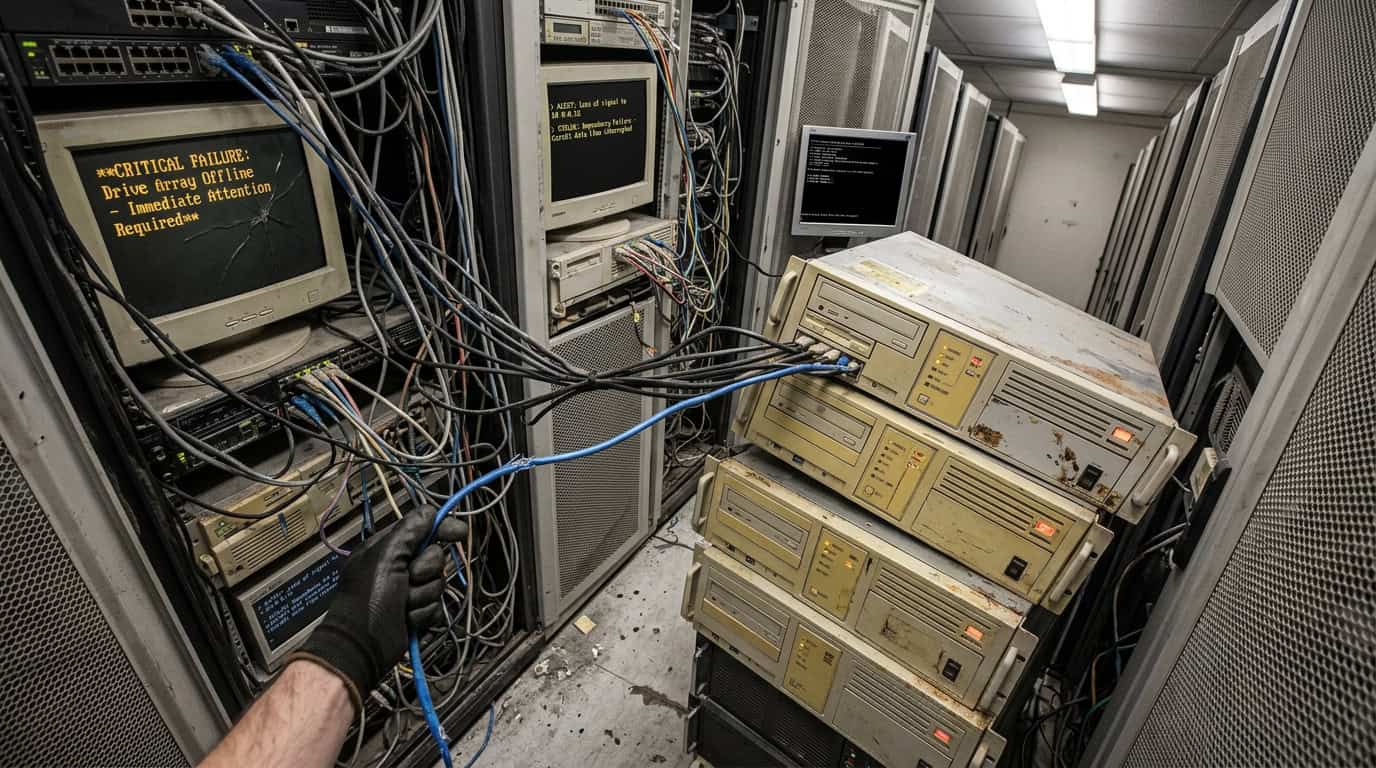
Modernization projects frequently collapse because organizations underestimate the invisible architecture holding their legacy databases together. While a surface-level audit might show a simple data repository, the reality is often a tangled web of undocumented dependencies and hard-coded logic that has accumulated over decades. When teams attempt to bridge these systems to modern web front ends, they often trigger a domino effect of system failures that were never anticipated during the planning phase. These hidden connections act as a drag on performance, turning a straightforward integration into a high-risk mission.
The 80% failure rate for these initiatives is rarely due to a lack of vision but rather a failure to account for technical debt. In 2026, the financial burden of maintaining these aging systems consumes nearly 80% of IT budgets, leaving a razor-thin margin for error when attempting to innovate. When a legacy system is forced to communicate with real-time AI or cloud-native applications, the resulting latency often exposes critical bottlenecks that can paralyze an entire enterprise. Without a sophisticated strategy to map these dependencies, businesses find themselves in a position where the cost of legacy code audits and failed integrations exceeds the value of the original system.
Successfully navigating this integration crisis requires moving beyond simple patches to address the underlying structural flaws of old software. Many organizations struggle because they treat integration as a cosmetic upgrade rather than a deep architectural overhaul. Because only a tiny fraction of companies have successfully integrated more than half of their applications, the process has become a challenge for the unprepared. To avoid becoming another statistic in failed modernization attempts, businesses must prioritize a comprehensive discovery phase that uncovers every hidden link before the first line of new code is written.
Overcoming Digital Anchors and Technical Debt
Successfully navigating the complexities of legacy software integration requires a shift from viewing old systems as permanent fixtures to seeing them as solvable technical debt. Many businesses fall into the trap of applying superficial patches that only mask deep-rooted inefficiencies and security vulnerabilities. By mid-2026, these digital anchors will likely consume the vast majority of IT budgets, leaving almost no room for the AI-driven innovation required to remain competitive. True transformation occurs when a leadership team moves beyond temporary fixes and commits to a strategic modernization plan that aligns technical capabilities with long-term business objectives.
The risks of inaction are no longer just theoretical, as performance bottlenecks and integration failures can lead to significant revenue loss and market irrelevance. Modernizing these foundational layers is not merely an IT project but a critical financial maneuver to liberate capital for growth and future-proof the enterprise against shifting market demands. Attempting to connect modern web front-ends to crumbling databases without a professional strategy often results in project failure and wasted resources. To ensure your organization avoids these common pitfalls and achieves seamless connectivity, you can learn more about how custom middleware development benefits and Modernizing Infrastructure With Professional Legacy Database Migration Services can transform your approach to legacy software integration challenges.
Frequently Asked Questions
1. Why is legacy software being referred to as a digital anchor in 2026?
Legacy software acts as a digital anchor because it consumes up to 80% of your IT budget just for basic maintenance. This financial drain prevents you from investing in innovation and keeps your organization tethered to rigid, aging architectures.
2. How do monolithic architectures hinder your AI implementation?
Monolithic systems were built for stability rather than the agility required for modern machine learning. Their rigid data structures and lack of native API designs make it difficult to feed high-quality, real-time data into autonomous agents.
3. What is the primary risk of delaying your legacy modernization strategy?
Delaying modernization puts you at risk of mounting technical debt that stifles your ability to compete. You face critical performance bottlenecks that allow more agile competitors to surpass you using real-time analytics.
4. Why is data extraction from legacy databases so difficult for model training?
Legacy databases often lack the necessary metadata and labeling required for effective AI model training. This structural mismatch forces you into manual, error-prone processes that create significant latency and prevent autonomous operations.
5. Can you simply add AI tools to an existing legacy core?
Adding advanced AI to a legacy core without a comprehensive modernization strategy is a mistake that leads to high failure rates. Most modern agents require seamless integration and native connectivity that old systems simply cannot provide.
6. What percentage of organizations are currently struggling with integration challenges?
Currently, 95% of organizations are struggling to bridge the gap between old and new architectures. This widespread integration crisis has left only a small fraction of businesses with a truly unified and functional digital ecosystem.
7. How does batch processing in legacy systems impact your competitive edge?
Legacy systems often rely on slow batch processing cycles, which prevents you from accessing the real-time insights your competitors are using. This delay in data availability creates a widening gap in your ability to respond to market changes.