
In 2026, scaling an online store requires more than just basic keyword research; it demands a sophisticated strategy to manage vast product catalogs and complex faceted navigation. Understanding ecommerce seo pricing is often the first hurdle for brands looking to dominate search results and capture high-intent shoppers. Because ecommerce sites face unique technical challenges like inventory-driven content and URL proliferation, the investment required typically reflects the scale and complexity of the digital storefront.
Whether you are managing a boutique shop or an enterprise-level marketplace, understanding current market rates is essential for accurate budgeting. Monthly retainers for smaller stores often start around $1,000, while enterprise operations with tens of thousands of products can see investments exceeding $20,000 per month. Aligning your budget with your catalog size and competitive environment ensures that your SEO efforts drive sustainable growth rather than just covering the basics.
Key Takeaways
- Ecommerce SEO pricing is primarily driven by catalog size, with monthly retainers scaling from $1,000 for small boutiques to over $20,000 for enterprise marketplaces.
- Technical complexity, particularly the management of faceted navigation and crawl budgets, requires specialized expertise to prevent duplicate content and indexation issues in large stores.
- Project-based technical audits and site migrations are essential high-value investments, often costing between $2,000 and $37,000 to protect historical rankings and revenue during structural changes.
- Effective resource allocation must account for the dynamic nature of ecommerce, requiring ongoing maintenance to handle frequent inventory shifts and maintain unique content across thousands of SKUs.
Average Monthly Retainers By Catalog Size
Monthly retainers for smaller ecommerce sites with fewer than 1,000 SKUs typically start around $1,000 to $3,000 per month. At this level, the focus is on optimizing core category pages and ensuring that a limited product catalog is properly indexed without technical bloat. While the SKU count is manageable, these stores still require strategic keyword targeting and clean site architecture to compete with larger marketplaces. Investing at this tier allows boutique brands to establish a foundational search presence while maintaining a sustainable marketing budget. These services generally cover basic on-page adjustments and essential link-building efforts to drive initial growth.
Mid-market stores managing between 1,000 and 10,000 products should expect to invest between $5,000 and $8,000 monthly to maintain their competitive edge. The increased cost reflects the complexity of managing faceted navigation, which can create thousands of duplicate or thin filter pages if not handled correctly. SEO experts must implement advanced canonicalization strategies and crawl budget management to ensure search engines prioritize the most valuable pages. This pricing tier also accounts for more robust content strategies and larger-scale digital PR campaigns. Managing a catalog of this size requires constant monitoring of inventory changes and seasonal product shifts to prevent broken links or lost rankings.
Enterprise-level stores with over 10,000 products often see monthly retainers starting at $10,000 and frequently exceeding $20,000 per month for comprehensive management. At this scale, the technical demands of managing massive internal linking structures and complex database-driven architectures require specialized expertise. These organizations pay a premium for high-level data analysis, custom automation tools, and deep technical audits that prevent sitewide performance issues. The strategy shifts from simple keyword updates to managing the overall authority of a massive digital footprint across multiple regions or languages. High-level coordination between SEO teams and internal developers is essential at this price point to ensure scalability.
Project Based Costs For Technical Audits

For ecommerce brands seeking to resolve underlying structural issues or prepare for a major transition, one-time project fees offer a transparent way to invest in long-term site health. These specialized services, such as deep-dive technical audits, typically range from $2,000 to over $5,000 depending on the complexity of the site architecture. Unlike ongoing maintenance, these projects focus on identifying critical bottlenecks in crawlability, indexation, and faceted navigation that could be throttling organic growth. By paying a flat fee for this high-level expertise, business owners can secure a comprehensive roadmap for their internal development teams to execute.
Full-scope optimization projects and site migrations represent a more significant financial commitment, often averaging between $2,000 and $37,000 for enterprise-level deployments. These projects are essential when replatforming or merging domains, as a single error in the redirection map can lead to a catastrophic loss in historical ranking power. The pricing reflects the intensive manual labor required to map thousands of product URLs and ensure that metadata remains intact across the new infrastructure. Investing in these specialized services provides a safety net that protects current revenue while building a scalable foundation for future catalog expansions.
The cost of these technical projects is largely dictated by the catalog size and the intricacy of the site’s backend logic. Large-scale ecommerce sites with complex filtering systems require a more granular analysis of canonical tags and internal linking structures than a simple boutique store. While the upfront cost may seem substantial, the ROI is found in the prevention of technical debt and the improvement of the overall user experience. High-quality audits identify specific opportunities to increase page load speeds and mobile responsiveness, both of which are critical factors for converting organic traffic in a competitive market.
Core Drivers Of Ecommerce SEO Investment
The primary driver of ecommerce SEO pricing is the sheer scale of your product catalog, as managing thousands of individual URLs requires significantly more technical oversight than a standard lead generation site. Each additional product page introduces new challenges for crawl budget management and internal linking structures that must be optimized to ensure search engines can index your inventory efficiently. When you move from a small boutique to a mid market or enterprise level store, the cost increases because experts must manage complex faceted navigation and filter systems. This technical complexity ensures that users can find specific products while preventing duplicate content issues that often plague larger retailers. Investing in high level SEO at this stage is less about basic keywords and more about building a scalable architecture that supports long term growth.
Market competition and the specific demands of inventory driven content also play a critical role in determining your total resource allocation. In highly saturated niches, the cost of entry is higher because you are competing against established giants for top tier placement on high intent category terms. Beyond simple metadata, modern ecommerce SEO requires unique descriptions for thousands of SKUs and strategic content clusters that establish your brand as a topical authority. Specialized professional services charge a premium for this work because it involves sophisticated automation combined with manual refinement to ensure every product page converts. By budgeting for these intensive content requirements, you ensure your site remains competitive in an evolving environment where generic descriptions are no longer sufficient for ranking.
Resource allocation is further dictated by the need for ongoing maintenance and the agility to handle frequent inventory shifts. Unlike static websites, ecommerce platforms are dynamic environments where products go out of stock or are discontinued, requiring proactive redirection strategies to preserve link equity. Professional SEO services for retailers include the continuous monitoring of these fluctuations to prevent broken links and lost rankings. This level of dedicated management explains why monthly retainers for enterprise stores often exceed five figures, as the risk of technical errors grows alongside the revenue potential. Ultimately, your investment reflects the specialized expertise required to turn a complex product database into a high performing sales engine.
Hourly Rates For Agencies And Freelancers
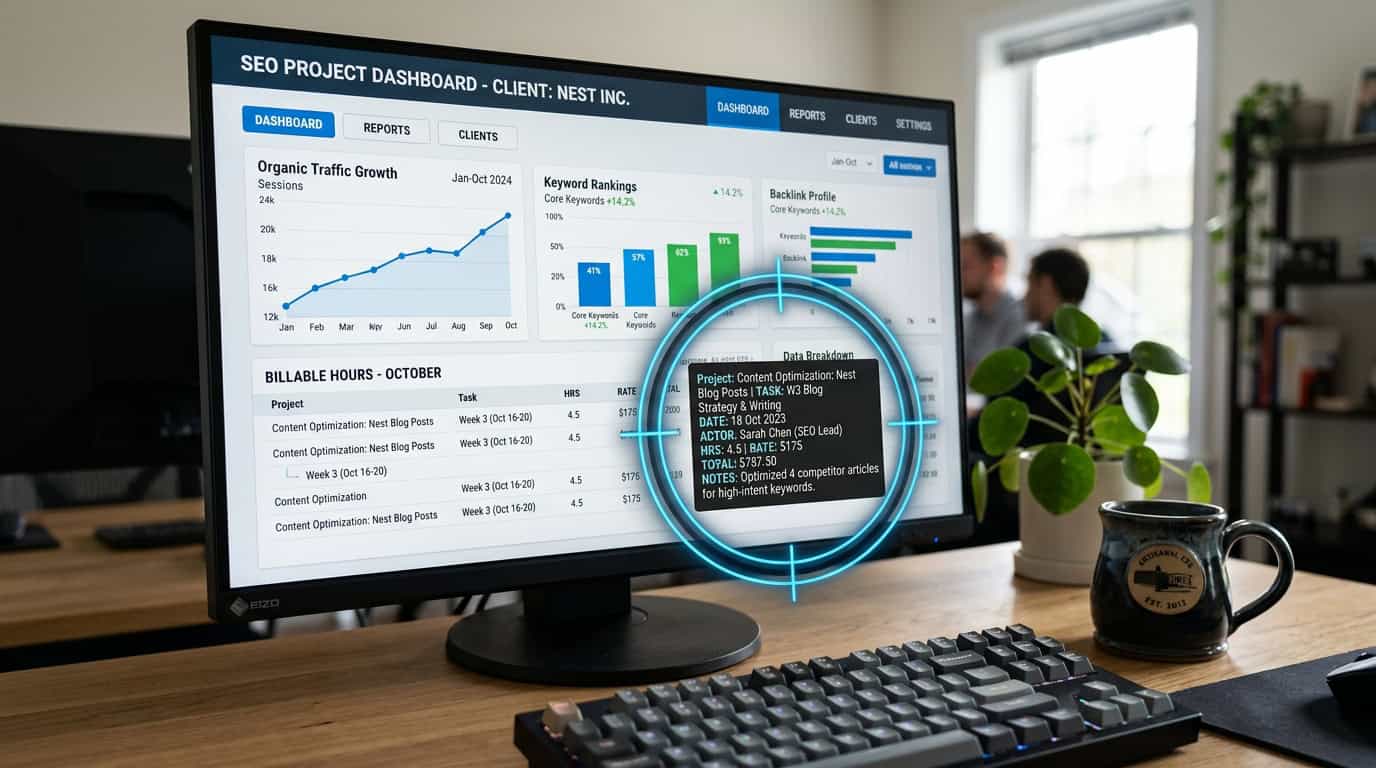
Hourly rates for ecommerce SEO vary significantly based on the level of specialized expertise and the operational scale of the provider. Independent contractors and freelancers typically offer the most competitive entry points, with rates ranging from $75 to $150 per hour. These professionals are often ideal for smaller stores or specific technical tasks where direct communication and agility are prioritized over a large team structure. However, the lower price point often reflects a narrower scope of tools and resources compared to more established organizations. Business owners should evaluate whether a single contractor has the bandwidth to manage the complex faceted navigation and inventory shifts common in larger catalogs.
High-end agencies command a premium, with hourly rates frequently starting at $200 and reaching as high as $500 for elite strategy consulting. This pricing structure accounts for a multidisciplinary approach that includes dedicated account managers, technical developers, and specialized content teams. Agencies provide a layer of accountability and comprehensive reporting that is essential for mid-market and enterprise brands managing thousands of URLs. While the upfront investment is higher, the transparency in their billing often covers advanced enterprise software and proprietary data analysis tools. Choosing between these two paths requires a clear understanding of your internal team’s ability to execute on high-level recommendations.
Investing in Strategic Ecommerce SEO Growth
Ultimately, aligning your ecommerce SEO pricing with your specific business growth goals requires a shift from viewing optimization as a monthly expense to treating it as a strategic capital investment. By understanding the complexity of managing thousands of product URLs and faceted navigation, you can more accurately budget for the technical expertise required to dominate your category. A positive return on investment is achieved when your chosen pricing model reflects the scale of your catalog and the competitive nature of your niche. High-impact SEO strategies ensure that your products remain visible to high-intent shoppers, directly influencing your long-term revenue stability. Selecting a service provider should be based on their ability to translate these technical costs into measurable market share gains.
Achieving sustainable growth in 2026 demands a commitment to transparency and a focus on specialized services that cater to the unique needs of online retailers. Whether you are managing a small boutique or an enterprise-level marketplace, your budget must account for the continuous maintenance of site health and content relevancy. Investing in premium optimization today prevents the costly pitfalls of site migrations or technical debt that can hinder your future scalability. By prioritizing a strategy that balances immediate visibility with long-term authority, you position your brand to thrive amidst evolving search engine algorithms. Professional SEO services can help you manage these pricing structures and deliver the growth your business deserves.
Frequently Asked Questions
1. How much should a small ecommerce store expect to pay for SEO?
If you manage a boutique shop with fewer than 1,000 SKUs, expect to invest between $1,000 and $3,000 per month. This budget covers essential on-page adjustments and foundational link building to ensure your core category pages rank effectively.
2. What are the typical SEO costs for mid-market online stores?
Mid-market stores with 1,000 to 10,000 products generally require a monthly investment between $5,000 and $8,000. This pricing reflects the increased complexity of managing larger catalogs and the need for more aggressive competitive strategies.
3. Why is ecommerce SEO more expensive than standard lead generation SEO?
Ecommerce sites face unique technical hurdles such as faceted navigation, URL proliferation, and inventory-driven content shifts. The higher price point accounts for the specialized expertise required to manage these complex technical environments without losing search equity.
4. What is the average monthly retainer for an enterprise-level marketplace?
Enterprise operations managing tens of thousands of products often see monthly SEO investments exceeding $20,000. At this scale, the focus shifts to advanced technical architecture and large-scale content strategies to maintain dominance across massive product catalogs.
5. How does catalog size impact your total SEO investment?
Your catalog size directly dictates the volume of pages that require optimization and monitoring. Larger catalogs introduce more opportunities for technical errors like duplicate content, requiring more billable hours from specialists to maintain site health.
6. What services are typically included in an ecommerce SEO monthly retainer?
Retainers usually include a mix of technical site audits, strategic keyword targeting for categories, and continuous link-building efforts. You also receive ongoing management of faceted navigation and product schema to ensure your listings stand out in search results.