Building an online storefront in 2026 requires more than just a great product; it demands a clear understanding of the financial investment needed to scale your business. Whether you are launching a basic shop or engineering a high-performance enterprise platform, understanding custom ecommerce website pricing can feel overwhelming without a transparent breakdown. The true cost of a digital storefront goes far beyond the initial build, encompassing ongoing maintenance, hosting, and essential integrations.
While a simple starter site might launch for under $5,000, a fully tailored, high-traffic system can easily exceed a $100,000 initial investment. The total landed cost also requires factoring in the first year of ownership, including the monthly expenses that keep your operations running smoothly. Understanding this complete financial picture ensures you allocate your budget effectively and avoid hidden surprises as your business grows.
Key Takeaways
- Development costs vary significantly by business scale, with basic templates launching under $5,000, tailored mid-market builds ranging from $25,000 to $120,000, and headless enterprise platforms starting at $120,000.
- Calculating the true landed cost of an ecommerce website requires budgeting beyond the initial build to include ongoing monthly expenses for premium hosting, maintenance, and essential integrations.
- Investing in a custom ecommerce architecture eliminates the constraints of generic templates, creating a frictionless user experience that directly boosts conversion rates and long-term revenue.
- Complex backend integrations connecting your storefront to existing enterprise resource planning and customer relationship management tools are essential for scaling operations efficiently.
2026 Ecommerce Development Pricing Tiers
Determining custom ecommerce website pricing in 2026 requires a clear understanding of your specific business needs and projected growth. While basic template stores can launch for under $5,000, growing brands quickly outgrow these rigid constraints and need more tailored solutions. Mid-market custom builds typically range from $25,000 to $120,000, offering a significant step up in functionality, unique design, and backend integration. Investing in this tier allows business owners to create seamless user experiences that directly boost conversion rates and customer retention. The return on investment becomes evident as these platforms automate complex inventory management and scale effortlessly with increased sales volume.
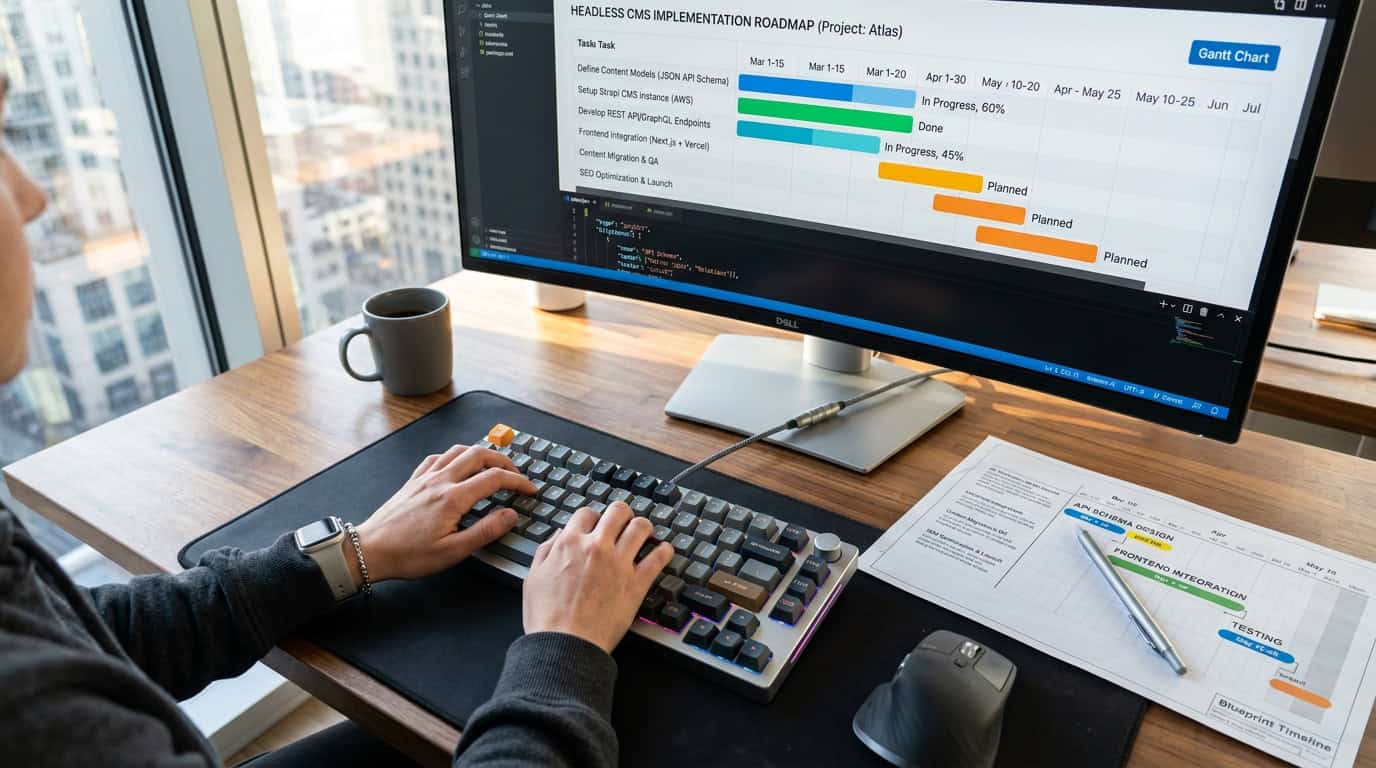
For large-scale operations demanding ultimate speed and flexibility, headless enterprise platforms represent the pinnacle of digital commerce architecture. These sophisticated builds start at $120,000 and can easily exceed that figure depending on the technical complexity required. By decoupling the frontend user interface from the backend commerce engine, businesses gain unparalleled freedom to deliver custom omnichannel shopping experiences. This investment is justified by lightning-fast page loading speeds, infinite scalability, and the ability to integrate bespoke mobile applications. Enterprise leaders budgeting for this tier must also account for monthly running costs that often range from $1,000 to over $5,000 to support advanced hosting and maintenance.
Evaluating your budget for an online store upgrade means looking beyond the initial development phase to calculate the true landed cost. The first year of ownership includes crucial ongoing expenses like premium hosting, security updates, and custom application maintenance. A $25,000 mid-market site might incur structural running costs of a few hundred dollars a month, whereas an enterprise platform requires a much larger operational budget. Partnering with an expert development team ensures you select the exact pricing tier to match your long-term revenue goals. A properly scoped custom ecommerce website transforms from a mere capital expense into a powerful revenue generator that secures your competitive edge.
Core Cost Drivers in Custom Store Builds

When budgeting for a custom ecommerce upgrade, business owners must look beyond the initial platform selection to understand the specific elements that dictate the final development bill. A tailored mid-market build typically ranges from $25,000 to $120,000, and a significant portion of this investment goes directly into advanced user interface and user experience design. Unlike basic templates, a customized design requires extensive user research, wireframing, and interactive prototyping to ensure every touchpoint aligns perfectly with your brand identity. This meticulous attention to detail creates a frictionless shopping experience that dramatically reduces cart abandonment and boosts overall conversion rates. The higher upfront cost of bespoke design functions as a revenue-generating asset rather than a simple business expense.
Beyond aesthetics, the technical complexity of your required features serves as another major factor in your total project cost. Expanding your market reach globally often necessitates intricate functionalities like real-time multi-currency support, dynamic tax calculation, and localized payment gateways. Developers must write custom code to ensure these advanced features operate seamlessly without slowing down your website load times or compromising strict security protocols. Adding sophisticated product configurators, predictive search capabilities, or personalized recommendation engines will further increase the development hours required for your build. These robust features empower your online store to serve a wider audience and deliver the highly tailored shopping experiences that modern consumers demand.
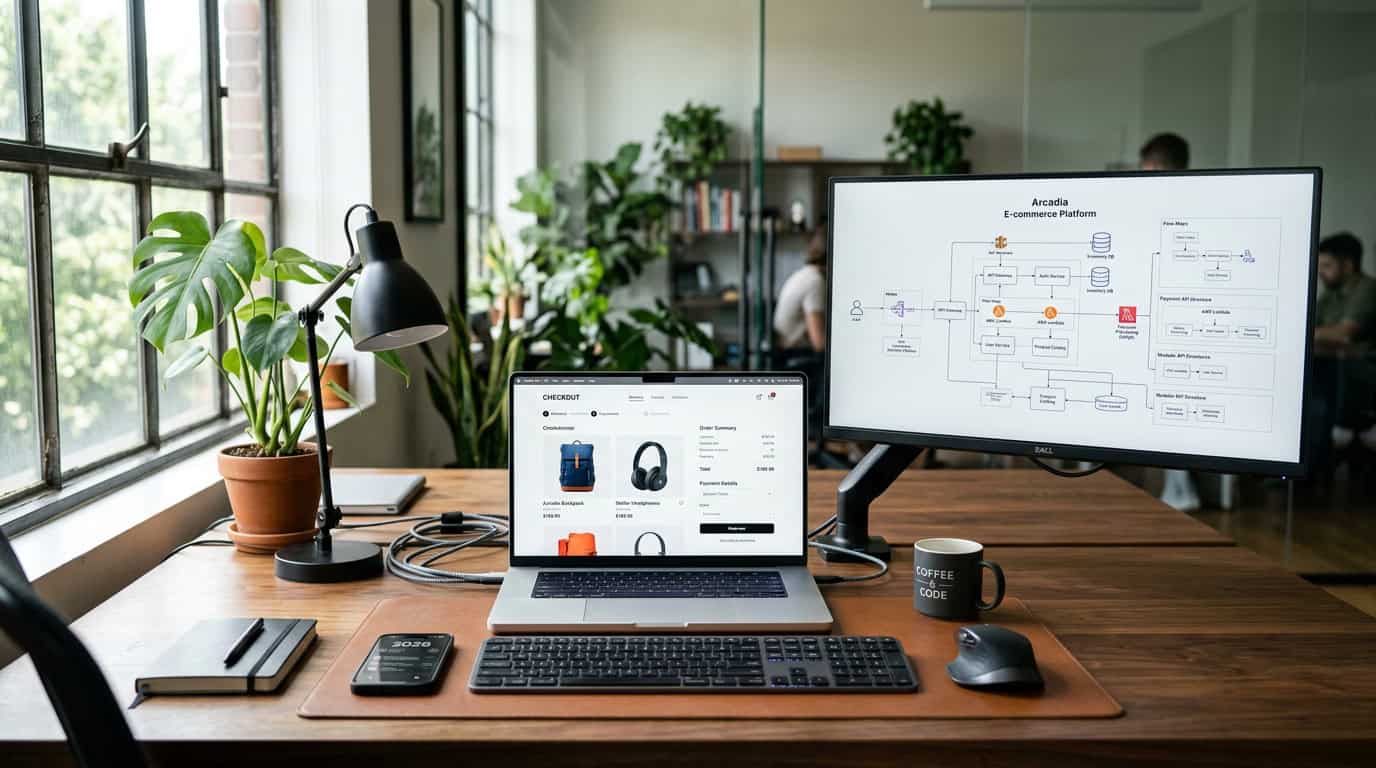
The final piece of the pricing puzzle involves the hidden architecture of backend system integrations that keep your business running smoothly. Connecting your new storefront to existing enterprise resource planning software, customer relationship management tools, and complex inventory databases requires skilled architectural planning. These custom integrations ensure data flows instantly across all your business departments, eliminating manual data entry and preventing costly fulfillment errors. While building these intricate digital bridges pushes the project into higher pricing tiers, they are absolutely essential for scaling operations efficiently. Investing in a cohesive technical ecosystem maximizes your return on investment by streamlining internal workflows and future-proofing your entire retail operation.
Calculating ROI on Tailored E-Commerce Solutions
When budgeting for an online store upgrade, looking solely at the initial price tag often obscures the true financial impact of a bespoke platform. While a professional template might cost between $8,000 and $25,000, a fully custom mid-market build typically ranges from $25,000 to $120,000. This higher initial investment directly fuels long-term financial returns by delivering a frictionless user experience that significantly boosts conversion rates. Tailored solutions eliminate the clunky checkout processes and bloated code found in off-the-shelf alternatives. By streamlining the customer journey, businesses can capture lost revenue and see a rapid return on their development costs.
Superior site performance is another critical factor where a tailored approach proves its worth over time. Enterprise platforms and headless architectures, which often start around the $120,000 mark, are engineered specifically to handle massive traffic spikes without slowing down. A fast and highly responsive site keeps potential buyers engaged, reducing bounce rates and directly increasing your bottom line. A scalable architecture ensures your digital storefront grows seamlessly alongside your business operations. Instead of paying for costly migrations or constant patching as your catalog expands, you invest in a robust foundation designed for sustainable expansion.
Evaluating the true value of your digital investment requires looking closely at the total cost of ownership over several years. Although monthly running costs for a custom build can range from $200 to over $2,000, these expenses cover essential maintenance, specialized integrations, and premium hosting. This operational stability allows your team to focus entirely on sales and marketing rather than troubleshooting technical glitches. The enhanced functionality and unique brand presentation of a tailored site create a powerful competitive advantage. The upfront development costs are quickly offset by the continuous revenue growth generated by a highly reliable digital storefront.
Uncover the True Cost of Custom Ecommerce
Understanding custom ecommerce website pricing requires looking beyond the initial build to calculate your true landed cost. While basic starter sites might launch for under $5,000, a fully tailored mid-market platform typically ranges from $25,000 to over $120,000. This comprehensive figure accounts for the crucial first year of ownership, including hosting, necessary applications, and ongoing maintenance. Business owners must budget for these monthly running costs, which can add anywhere from a few hundred to several thousand dollars to the annual expense. By anticipating these total costs upfront, you can avoid unexpected financial hurdles and ensure a smooth operational launch.
Rather than viewing these figures as mere expenses, savvy decision-makers should treat a bespoke ecommerce platform as a strategic investment in long-term growth. A custom build eliminates the restrictive limitations of generic templates, allowing you to create a highly optimized user experience that directly drives conversions. When your digital storefront is engineered specifically for your unique target audience, the resulting increase in sales and customer retention quickly justifies the higher initial price tag. Tailored architecture provides the scalability required to handle increased traffic and complex inventory as your business expands over time. Investing in a robust foundation protects your brand from costly rebuilds down the road.
Taking the next step toward a high-performing digital storefront requires partnering with experts who understand your specific financial and operational goals. If you are ready to maximize your return on investment, we invite you to explore our comprehensive custom development options. Discover how professional development teams can help you improve your e-commerce store with mobile-friendly solutions designed to capture more sales and elevate your brand. A dedicated team is here to guide you through every phase of the budgeting and development process. Reach out today to discuss your vision and receive a transparent pricing breakdown tailored to your exact needs.
Frequently Asked Questions
1. How much does a basic ecommerce website cost to launch in 2026?
If you are launching a simple starter site using basic templates, you can expect to spend under $5,000. These setups are great for getting started but offer rigid constraints. As your brand grows, you will likely need to upgrade to a more tailored solution.
2. What is the typical price range for a mid-market custom ecommerce build?
Mid-market custom builds typically range from $25,000 to $120,000. This investment provides a significant step up in functionality, unique design, and backend integration. It allows you to create seamless user experiences that directly boost conversion rates and customer retention.
3. How much should I budget for an enterprise-level ecommerce platform?
For large operations demanding ultimate speed and flexibility, headless enterprise platforms start at $120,000. These sophisticated builds can easily exceed this base price depending on your specific requirements. This architecture represents the pinnacle of digital commerce and scales effortlessly with massive sales volumes.
4. Are there hidden expenses I should consider beyond the initial website build?
Yes, the true cost of your digital storefront goes far beyond the initial build. You must factor in the first year of ownership, including monthly running expenses like ongoing maintenance, hosting, and essential integrations. Understanding this complete financial picture helps you allocate your budget effectively and avoid surprises.
5. Why should I invest in a custom ecommerce solution instead of a basic template?
Growing brands quickly outgrow the rigid constraints of basic templates. Investing in a custom solution allows you to automate complex inventory management and scale effortlessly as your sales volume increases. A tailored approach also creates seamless user experiences that directly improve your bottom line.
6. What makes a headless enterprise platform different from standard builds?
Headless enterprise platforms offer sophisticated digital commerce architecture designed for large operations. They provide massive scale, ultimate speed, and unparalleled flexibility for your growing business. These advanced systems are engineered to handle high traffic and complex integrations seamlessly.