
Multilingual website development costs can range from a few hundred dollars for a basic translation plugin to more than $250,000 for an enterprise-grade international platform. The price depends on far more than the number of languages, including site size, translation quality, regional customization, ecommerce features, SEO architecture, and third-party integrations. Identifying the factors that apply to your project can prevent a small localization effort from becoming an unexpected budget drain.
A simple setup for an existing site may cost less than $2,000, while a professionally built multilingual marketing site often costs between $15,000 and $50,000. Ongoing expenses also matter and may include translation updates, content maintenance, technical support, and SEO management. A realistic estimate accounts for both the initial build and the long-term work required to keep every language accurate, discoverable, and aligned.
Key Takeaways
- Multilingual website costs range from under $2,000 for a basic translation setup to more than $250,000 for an enterprise platform. Small business sites typically cost $5,000–$20,000, professional marketing sites $15,000–$50,000, and multilingual ecommerce projects $30,000–$100,000 or more.
- The biggest cost drivers are page volume, number of languages, translation quality, cultural localization, ecommerce complexity, SEO architecture, regional requirements, and third-party integrations—not language count alone.
- Ongoing expenses for translation updates, content maintenance, SEO, software, support, and technical operations must be included in the budget. These recurring costs can range from hundreds per year for simple sites to $25,000–$150,000 or more for enterprise platforms.
- Control costs by prioritizing high-value markets and content, choosing an appropriate translation workflow, defining SEO and integration requirements early, and planning a phased international expansion.
Introduction To Multilingual Website Costs
Multilingual website development costs can range from a few hundred dollars for a translation plugin to $250,000 or more for an enterprise-grade international platform. A basic plugin may add machine-translated content and a language switcher to an existing site, while a larger project may require custom architecture, multiple regional experiences, and extensive content workflows. The number of languages matters, but it is only one part of the budget. Site size, translation quality, regional customization, and publishing complexity often have an even greater impact.
A small business site supporting two or three languages may cost approximately $5,000 to $20,000, while a professional multilingual marketing website can cost between $15,000 and $50,000. Ecommerce projects typically cost more because product catalogs, checkout flows, payment methods, shipping rules, taxes, customer accounts, and transactional emails may all require localization. Multilingual SEO also affects development costs through URL structures, hreflang implementation, metadata, content optimization, and regional search strategies. Integrations with CRM, ERP, analytics, marketing automation, and other systems can require additional planning and development work.
The initial build is only part of the total multilingual website cost because translated content must be reviewed, updated, and published as the original site evolves. Ongoing expenses may include translation services, machine translation subscriptions, editorial quality assurance, plugin or platform fees, SEO monitoring, technical support, and maintenance. A DIY or existing-site translation setup might cost $0 to $2,000 initially and up to $4,000 per year to operate, while more advanced websites may require thousands or tens of thousands of dollars annually. Estimating these recurring costs early helps organizations compare options realistically and avoid underfunding international expansion.
2026 Multilingual Website Cost Ranges

DIY translation for an existing site typically costs $0 to $2,000 upfront and $0 to $4,000 per year for translation tools, hosting, updates, and basic support. This range generally covers a plugin or app, machine translation, a language switcher, and limited manual review, but not extensive localization or custom development. A small business website in two or three languages commonly requires $5,000 to $20,000 initially, with ongoing costs of roughly $500 to $8,000 per year. That budget may include 5 to 25 pages, CMS configuration, translation import, responsive language layouts, and basic multilingual SEO.
A professional marketing site serving three to five languages often costs between $15,000 and $50,000 to develop, followed by approximately $3,000 to $20,000 annually. These projects generally include custom design, professional translation and editing, localized SEO architecture, analytics, redirects, forms, and integrations with marketing systems. Multilingual ecommerce platforms typically range from $30,000 to $100,000 or more upfront, with ongoing costs of $10,000 to $50,000 per year for product translation, catalog maintenance, regional pricing, tax and payment configuration, customer support, and technical optimization. Costs rise when each market needs different products, shipping rules, checkout experiences, or regulatory content.
Enterprise global websites can require $75,000 to $250,000 or more initially, plus $25,000 to $150,000 or more per year for translation operations, platform management, localization teams, security, and continuous development. These budgets may cover dozens of languages, large content libraries, regional sites, workflow automation, advanced integrations, governance, accessibility, and global SEO. Treat these figures as planning estimates rather than fixed quotes because page volume, language count, translation quality, regional customization, integrations, and maintenance frequency can substantially change the final multilingual website development cost. A detailed scope and content audit will provide a more reliable budget before development begins.
Translation And Localization Cost Drivers
Translation and localization costs rise with both page volume and the number of language pairs because each additional language requires content preparation, translation, review, and publishing. Translating five core pages into two languages is a very different project from localizing hundreds of product, support, blog, and legal pages into five languages. A basic machine translation workflow can reduce upfront multilingual website development costs, while professional human translation provides greater accuracy and brand consistency at a higher rate. The content management system, language switcher, URL structure, and SEO configuration can also add implementation work beyond the translation itself.
Content complexity has a direct effect on the budget because technical instructions, legal terms, product specifications, and industry-specific language require skilled translators and additional research. Proofreading and quality assurance add cost, but they help identify errors in terminology, formatting, links, and translated metadata before publication. Localization depth matters as well, particularly when each market needs adapted currencies, measurements, calls to action, payment details, imagery, or regional search terms. Cultural adaptation may require rewriting content rather than translating it literally, making the localized market experience more effective but more expensive.
Ongoing costs depend heavily on how translation is managed after launch. A translation management workflow can connect the CMS with translators, track revisions, route content for approval, and prevent newly edited pages from being overlooked. A small site with a few stable pages may need only occasional review, whereas a frequently updated content library creates recurring translation, proofreading, synchronization, and publishing expenses. Planning which content truly needs localization, and whether updates require full human review or selective machine-assisted translation, helps organizations control multilingual website development costs while expanding into new markets.
Technical SEO And Integration Costs
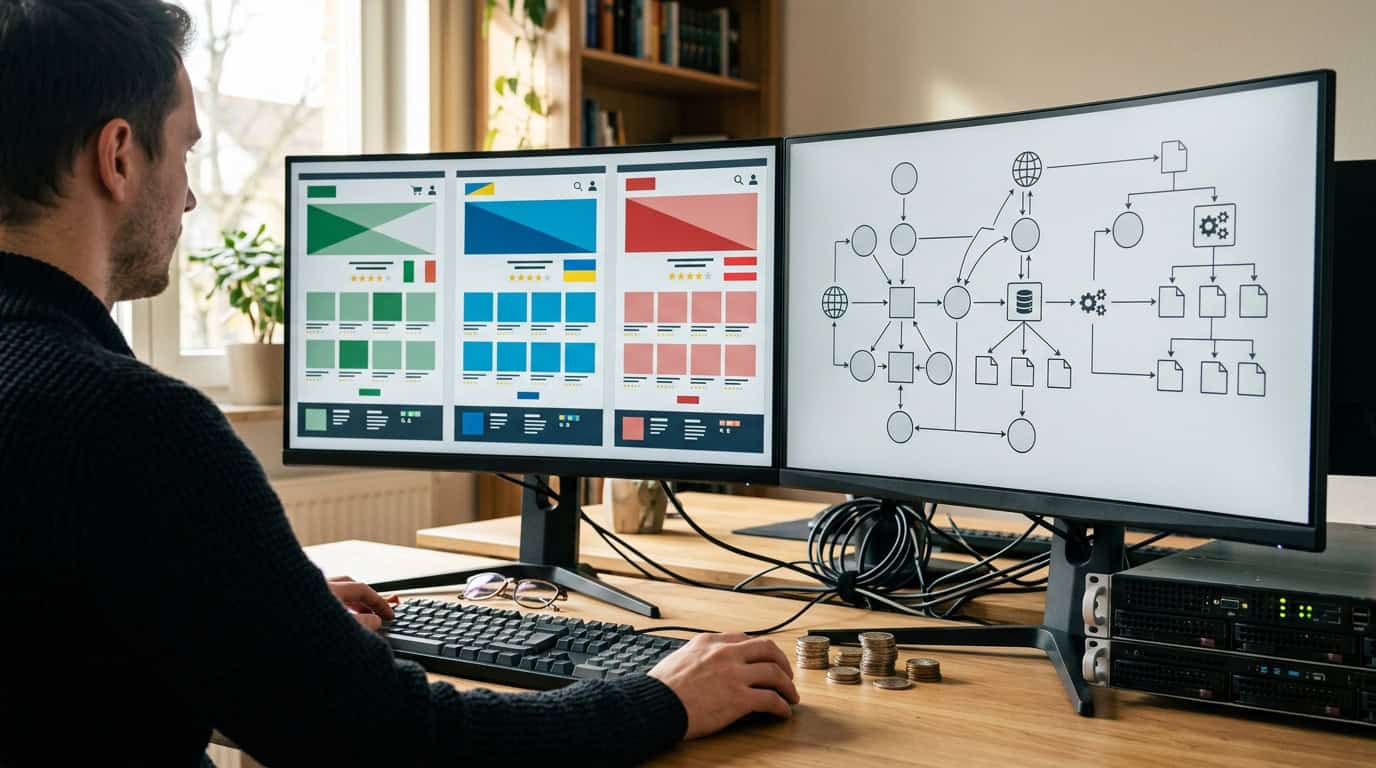
Technical SEO architecture can add substantial development costs to a multilingual website, especially when each market requires language subdirectories, subdomains, or country-code domains. Subdirectories are often simpler to manage, while separate domains may require additional hosting, security, redirects, and domain administration. Developers must also implement hreflang correctly, create localized metadata, structure translated URLs, generate regional XML sitemaps, and confirm that search engines can crawl and index every version. Analytics, consent tracking, Search Console properties, and reporting dashboards may need separate configurations for each language or market. For a small site, these tasks may add a few thousand dollars, while complex international platforms can require a much larger technical SEO budget.
CMS configuration becomes more expensive when editors need language-specific workflows, translation memory, approval stages, fallback content, and regional permissions. The budget can increase further when the website connects to a CRM, digital asset management system, product information management platform, or marketing automation tool that must synchronize localized records and assets. Ecommerce projects may also require regional payment methods, tax handling, shipping rules, currencies, inventory logic, and customer notifications in multiple languages. These integrations often involve custom middleware, API development, testing, and ongoing maintenance rather than a one-time translation setup. As a result, two sites with the same page count can have very different multilingual website development costs.
Regional compliance requirements should be estimated before development begins because privacy consent, accessibility, cookie controls, data residency, and consumer disclosures can vary by market. Each integration and market variation introduces testing requirements across browsers, devices, checkout flows, tracking events, and indexing behavior. Teams should budget for both initial implementation and recurring costs for software licenses, translation updates, analytics maintenance, integration monitoring, and technical SEO audits. A basic multilingual site may keep these expenses near the lower end of a project budget, whereas a highly localized enterprise platform can contribute significantly to a total cost of $50,000 to $250,000 or more. Defining the desired URL model, systems architecture, and regional functionality early produces a more reliable estimate.
Ecommerce And Ongoing Maintenance Budgets
Ecommerce features can make multilingual website development costs substantially higher than those of a standard translated brochure site. Translating product catalogs requires budgeting for product names, descriptions, specifications, images, reviews, and search filters, while checkout flows may need localized fields, payment methods, confirmation emails, and error messages. Supporting multiple currencies and tax rules can require additional ecommerce configuration or custom integrations, especially when prices, invoices, and refunds differ by market. Market-specific shipping rates, delivery promises, duties, returns, and order tracking also add development and testing time.
Ongoing maintenance should be treated as a recurring operating budget rather than a one-time translation expense. Translation updates are needed whenever products, promotions, policies, or checkout content changes, and multilingual SEO requires continued management of localized metadata, URLs, internal links, and search performance. Hosting, translation or localization software licenses, analytics tools, security services, and integration fees may also increase as the site expands into more regions. A realistic plan should include quality assurance for every language, content governance to manage approvals and terminology, and multilingual customer support for questions, returns, and technical issues.
Localized customer experiences can require further investment in regional landing pages, promotional calendars, accessibility standards, account features, and market-specific merchandising. Businesses should estimate these costs by language, product volume, update frequency, and level of human review instead of multiplying a single translation rate across the entire store. Smaller ecommerce projects may manage costs with machine translation and limited manual review, while high-volume or regulated catalogs typically need professional translation, native-language QA, and stronger governance. Including these recurring expenses in the original budget helps prevent inconsistent content, broken purchasing journeys, and unexpected costs after launch.
Multilingual Website Development Cost Breakdown
Multilingual website development costs can range from a few hundred dollars for a basic translation plugin to more than $250,000 for a complex, enterprise-grade international platform. A small business website serving two or three languages may cost about $5,000 to $20,000, while a professional marketing site supporting three to five languages often costs between $15,000 and $50,000. Ongoing expenses may range from $500 to $8,000 per year for a smaller site, or $3,000 to $20,000 annually for continued translation, SEO, hosting, updates, and content management. These figures are starting points because translation quality, regional customization, ecommerce functionality, integrations, and technical architecture can significantly affect the final budget.
The most accurate estimate depends on your site scope, target markets, translation standards, technical complexity, and long-term maintenance needs. Before requesting development proposals, define the languages you will support, approximate page volume, localization requirements, third-party integrations, SEO structure, and the workflow for creating and updating translated content. A clear plan helps development teams separate one-time implementation costs from recurring translation and maintenance expenses, making proposals easier to compare. If international expansion also involves restructuring URLs, analytics, or search visibility, consider professional SEO migration services to support a smoother multilingual launch.
Frequently Asked Questions
1. What is the typical cost of developing a multilingual website?
Multilingual website development can cost from a few hundred dollars for a basic translation plugin to more than $250,000 for an enterprise-grade international platform. A small business website supporting two or three languages often costs about $5,000 to $20,000, while a professionally built multilingual marketing site commonly ranges from $15,000 to $50,000.
2. What factors have the greatest impact on multilingual website development cost?
The main cost factors include the number of pages, languages, translation quality, regional customization, ecommerce functionality, SEO architecture, and third-party integrations. The complexity of your content workflow and the amount of ongoing maintenance can affect the budget as much as the initial development work.
3. How much does it cost to add multiple languages to an existing website?
Adding languages to a simple existing website may cost less than $2,000 when you use a translation plugin and a basic language switcher. Costs increase when the site requires professional translation, custom templates, localized URLs, manual quality control, or changes to the content management system.
4. Does ecommerce make a multilingual website more expensive?
Yes, multilingual ecommerce websites usually cost more because product catalogs, checkout pages, payment methods, shipping rules, taxes, customer accounts, and transactional emails may all require localization. Regional pricing, inventory systems, and market-specific integrations can add further development and testing costs.
5. How much do translation quality and localization affect the budget?
Machine translation is generally the least expensive option, but it may require editing and quality checks before publication. Professional human translation, subject-matter review, cultural adaptation, and regional content customization cost more, but they help deliver accurate messaging and a more trustworthy user experience.
6. What multilingual SEO costs should you plan for?
Multilingual SEO may require localized keyword research, translated metadata, hreflang implementation, regional URL structures, internal linking, and search performance monitoring. These tasks increase the initial development budget and may require ongoing management to keep each language version accurate and discoverable.
7. What ongoing expenses should you expect after launch?
Your ongoing budget should include translation updates, content maintenance, technical support, hosting, plugin or software licenses, and multilingual SEO management. Every new page, product, promotion, or policy change may need to be translated, reviewed, and published across all supported languages.
8. How can you control the cost of a multilingual website project?
Start with the languages and regions that offer the strongest business opportunity, then expand in phases as results justify the investment. You can also control costs by reusing a well-structured design system, prioritizing high-value pages, selecting an appropriate translation workflow, and defining SEO and integration requirements before development begins.