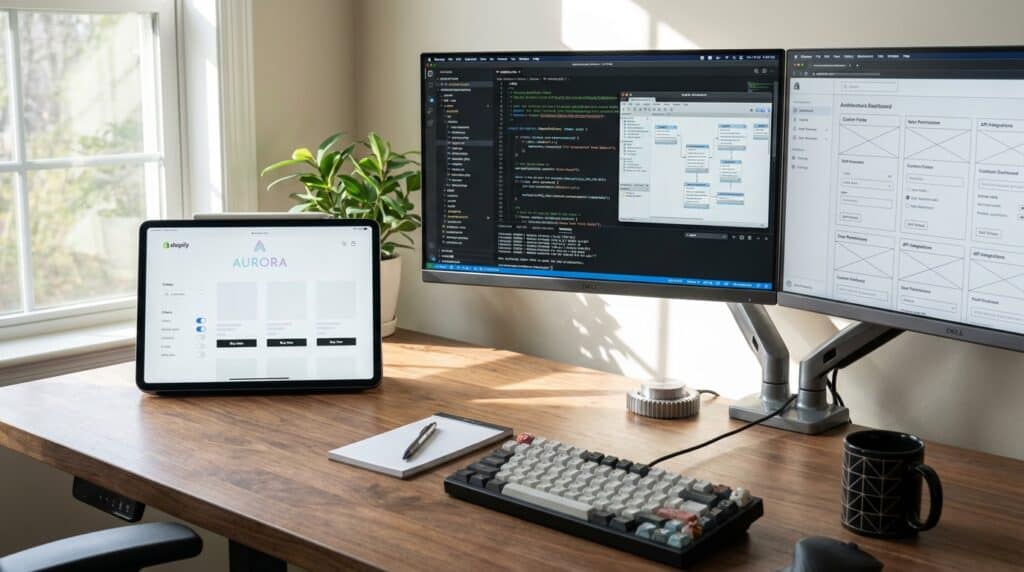
Choosing the right engine for your online store has evolved from a simple tech debate into a strategic decision between operational simplicity and total architectural ownership. In the current comparison of shopify vs custom wordpress, the stakes are higher than ever as brands must balance the speed of a managed utility against the power of an open-source ecosystem. Your choice will ultimately determine whether you prioritize a streamlined experience or the limitless flexibility required for complex, content-driven commerce.
As the industry shifts toward agentic commerce and AI-driven shopping experiences, the best platform depends entirely on your long-term scaling goals. High-growth brands often find themselves at a crossroads: opting for a hosted solution to eliminate technical overhead or investing in a bespoke build to maintain complete control over their data and user experience. Understanding these fundamental trade-offs is essential for building a resilient digital storefront that can adapt to the rapidly changing demands of the modern consumer.
Key Takeaways
- Choosing between Shopify and WordPress is a strategic decision between a ‘managed utility’ that prioritizes speed and an ‘open-source’ ecosystem that offers total architectural ownership.
- Shopify eliminates technical debt by handling security and infrastructure automatically, though it requires operating within a ‘walled garden’ with compounding transaction fees and app costs.
- Custom WordPress development provides absolute control over data and code, making it the superior choice for brands with complex product configurations or specialized SEO needs.
- As the industry shifts toward agentic commerce, Shopify offers turnkey AI integrations while WordPress allows for the creation of bespoke, proprietary AI features tailored to unique user journeys.
Managed Utility Versus Open Source Ownership
Choosing between Shopify and WordPress in the current e-commerce climate is essentially a choice between a high performance lease and full deeded ownership. Shopify operates as a managed utility, providing a robust and secure environment where the underlying infrastructure is handled entirely by the platform provider. This model allows business owners to focus on front end sales and marketing without worrying about server maintenance, security patches, or core software updates. While this convenience is powerful for rapid scaling, it means you are operating within a walled garden where the platform ultimately dictates the rules of the ecosystem. You are essentially paying for a service that guarantees uptime and stability at the cost of total structural control.
Custom WordPress development offers a starkly different philosophy centered on open source sovereignty and architectural ownership and freedom. By hosting your own instance of WordPress and WooCommerce, you retain absolute ownership of every line of code and every byte of customer data on your own chosen servers. This approach is ideal for brands with complex product configurations or unique user journeys that require deep, unrestricted customization. There are no platform transaction fees or rigid API limitations to navigate, giving your development team the power to build bespoke features from the ground up. However, this level of control requires a more proactive approach to technical management and a dedicated strategy for security and performance optimization.
The decision ultimately hinges on whether your business prioritizes speed to market or long term technical flexibility. Shopify is a standard for merchants who want a turnkey solution that works reliably out of the box with minimal technical overhead. Conversely, WordPress remains a premier choice for enterprise level brands that view their digital storefront as a proprietary asset rather than a rented service. As we move further into an era of agentic commerce and specialized AI integrations, having full access to your site’s backend can provide a significant competitive advantage for complex operations. Understanding these structural differences ensures that you choose a foundation that aligns with your specific growth trajectory and technical capabilities.
Shopify Performance And Native AI Capabilities

Shopify functions as a high performance utility that eliminates the technical debt typically associated with maintaining an enterprise grade storefront. By operating on a closed SaaS infrastructure, the platform handles all core security patches, server optimizations, and version updates automatically. This managed approach ensures that businesses maintain consistent uptime and fast load speeds without needing a dedicated DevOps team. For owners prioritizing operational simplicity, this infrastructure provides a secure environment where the focus remains on scaling sales rather than troubleshooting server configurations or plugin conflicts.
The shift toward agentic commerce has positioned Shopify as a frontrunner in the integration of native AI shopping agents. These integrated tools go beyond basic chatbots by leveraging deep data sets to predict customer intent and automate complex purchasing workflows. Because these AI capabilities are built directly into the platform’s core code, they offer a level of stability and data privacy that is often difficult to replicate with third party plugins on open source systems. This native intelligence allows brands to provide hyper personalized shopping experiences that adapt in real time to user behavior.
Choosing between these frameworks often comes down to how a brand intends to manage its long term technical evolution. While custom WordPress builds offer limitless architectural ownership, Shopify’s investment in AI research provides a turnkey path into the future of automated commerce. Business owners must weigh the value of total code control against the benefits of a platform that evolves its intelligence and security protocols automatically. Ultimately, the decision depends on whether a company views its website as a custom engineered asset or a high velocity growth engine powered by managed innovation.
WordPress Customization And Content Control Limits
Choosing custom WordPress development offers an unparalleled level of architectural ownership that closed platforms simply cannot replicate. While managed utilities provide a standardized framework, WordPress allows brands to build bespoke functionality from the ground up without being confined by proprietary constraints. This open source flexibility is essential for businesses that require complex product configurations, unique user journeys, or deep integrations with external inventory systems. By leveraging full code access, developers can create a tailored digital environment that aligns perfectly with a brand’s specific operational needs.
The degree of content control available through WordPress extends far beyond simple aesthetic changes to include granular SEO management. Unlike rigid platforms that often limit URL structures or metadata customization, WordPress provides the tools necessary to optimize every technical aspect of a site for search engines. This level of control is vital for brands in competitive niches where minor technical adjustments can significantly impact organic visibility and ranking. Customizing the site architecture ensures that your content strategy is supported by a robust technical foundation rather than being restricted by a pre-defined template.
Investing in a custom WordPress build also prepares a brand for the evolving world of agentic commerce and advanced data integration. As e-commerce moves toward more automated and AI-driven interactions, having a flexible backend allows for the seamless implementation of custom APIs and data structures. This adaptability ensures that your store can evolve alongside emerging technologies without requiring a complete platform migration. For scaling businesses, this long-term agility translates into a significant competitive advantage by allowing for rapid innovation and precise brand storytelling.
Total Cost Of Ownership And Scalability
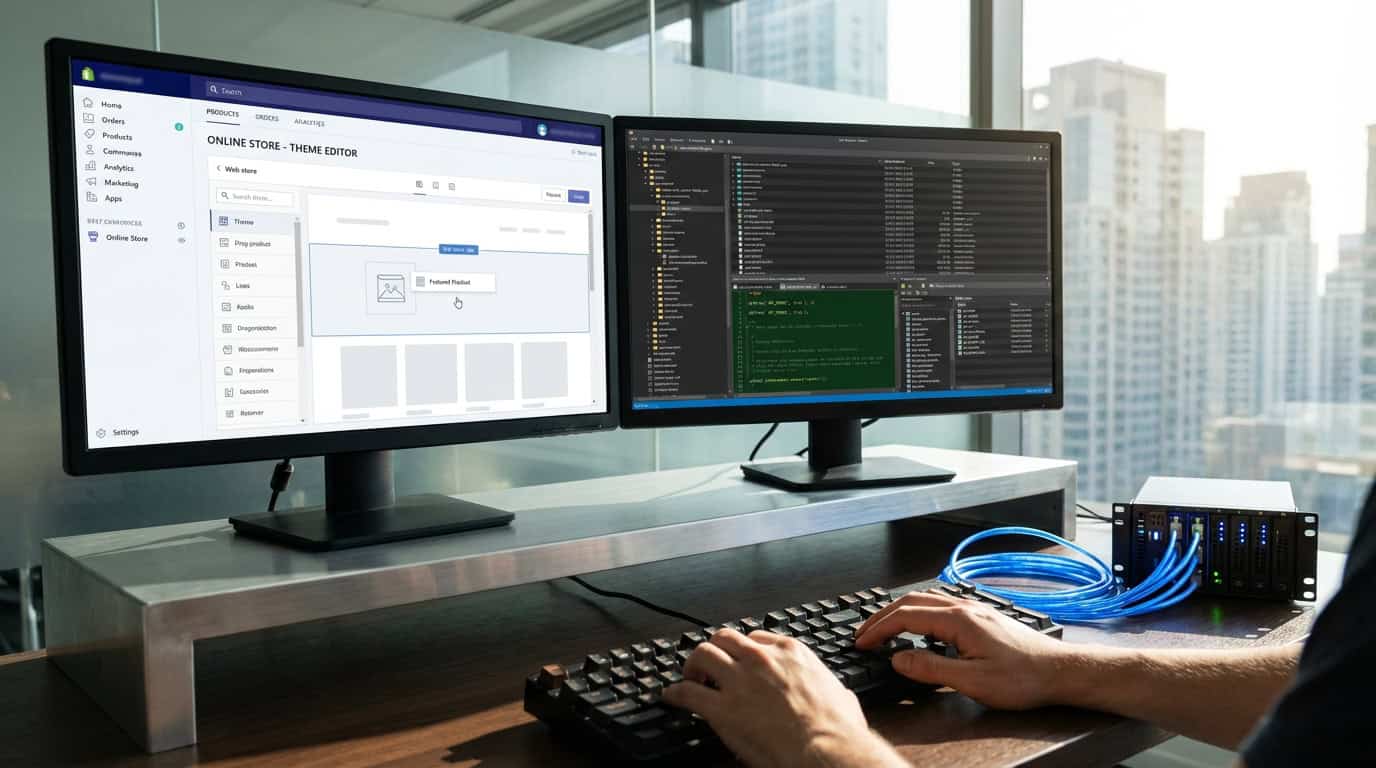
When evaluating the total cost of ownership, Shopify operates on a predictable but compounding fee structure that favors speed over long term margin control. While the monthly subscription covers hosting and security, the real financial impact stems from transaction fees and the recurring costs of essential third party apps. For a scaling brand, these percentage based costs can eat into profits as volume increases, turning a convenient utility into a significant overhead expense. This model offers operational simplicity, but it essentially means you are renting your infrastructure rather than building equity in a digital asset.
Custom WordPress development requires a higher upfront investment but offers a more sustainable financial trajectory for brands prioritizing architectural ownership. By eliminating per transaction fees and expensive app subscriptions, businesses can redirect those savings into custom features that they own outright. Maintenance and high performance hosting are necessary ongoing expenses, yet they remain fixed costs that do not scale aggressively with your revenue. This approach is ideal for enterprises that require deep integration with legacy systems or unique checkout experiences that go beyond standard templates.
The decision between these two paths ultimately depends on whether your strategy prioritizes immediate market entry or long term scalability. Shopify excels for businesses that want to offload technical debt to a third party, allowing them to focus entirely on marketing and fulfillment. Conversely, WordPress provides the flexibility needed for agentic commerce and complex content strategies where full code access is a competitive advantage. As your brand matures, the ability to control every layer of the user experience without paying a platform tax becomes a vital component of your bottom line.
Choosing Between Managed Speed and Architectural Ownership
Choosing between Shopify and custom WordPress ultimately comes down to whether your business prioritizes speed to market or long term architectural ownership. Shopify is an excellent utility for those who want a managed, hands-off environment where security and updates are handled automatically, allowing you to focus entirely on sales. However, as your brand scales, the limitations of a closed ecosystem can lead to higher monthly costs and restricted creative freedom. Business owners must evaluate if they have the internal technical resources to manage a self-hosted site or if they prefer the peace of mind that comes with a subscription based SaaS platform.
For brands that require deep customization, advanced content integration, and full control over their data, a custom WordPress build provides a limitless foundation for growth. This open source approach allows you to transform your e-commerce site without being tethered to a specific provider’s fee structure or feature roadmap. As you weigh these options, it is vital to avoid the costly ecommerce replatforming mistakes that can occur when moving between these two distinct ecosystems. If you are ready to build a high performing store that stands out from the competition, explore how headless ecommerce architecture and professional WordPress solutions can help you achieve the perfect balance of flexibility and performance.
Frequently Asked Questions
1. What is the fundamental difference between Shopify and custom WordPress?
The choice represents a strategic decision between a managed utility and open source ownership. Shopify provides a secure, high performance lease where infrastructure is handled for you, while WordPress offers the total architectural ownership of an open source ecosystem.
2. Which platform is better for brands that want to scale quickly?
Shopify is often a strong choice for rapid scaling because it eliminates technical overhead and server maintenance. This allows you to focus entirely on front end sales and marketing while the platform guarantees uptime and stability.
3. When should a business choose custom WordPress over Shopify?
You should opt for a bespoke WordPress build when your business requires limitless flexibility and complete control over your data. It is the ideal solution for complex, content driven commerce that needs to move beyond the constraints of a walled garden environment.
4. How does technical maintenance differ between these two options?
Shopify functions as a hosted solution that manages security patches and core software updates automatically. Conversely, a custom WordPress site requires you to manage your own server environment and maintenance, providing power at the cost of increased operational responsibility.
5. Can both platforms support modern AI and agentic commerce?
Yes, both platforms are evolving toward AI driven shopping experiences, but they handle the integration differently. Shopify offers streamlined, platform wide tools, while WordPress allows you to build custom, proprietary AI features tailored specifically to your unique user experience.
6. Does choosing Shopify mean I lose control over my digital storefront?
While you lose total structural control of the underlying code, you gain a resilient and stable environment. You trade the ability to modify core system architecture for a streamlined, out of the box experience that is designed to adapt to modern consumer demands without technical friction.