
Traditional monolithic platforms often act as a bottleneck for brands striving to innovate. Adopting a headless ecommerce architecture allows you to decouple your customer-facing frontend from complex backend operations like inventory and payments. This API-first approach grants developers the creative freedom to build high-performance storefronts without being restricted by rigid, out-of-the-box templates.
By breaking the link between the presentation layer and core logic, your business gains the agility to scale across mobile apps, social commerce, and IoT devices simultaneously. This shift toward a MACH-aligned strategy ensures your tech stack remains future-proof and lightning-fast. You can finally deliver the bespoke, omnichannel experiences your customers expect while maintaining a robust and secure operational foundation.
Key Takeaways
- Decoupling the frontend presentation layer from backend logic removes the constraints of rigid templates, allowing developers to build high-performance, bespoke user experiences using modern frameworks like React or Vue.
- Adopting an API-first, MACH-aligned architecture ensures long-term scalability by allowing businesses to swap or upgrade individual components without risking the stability of the entire ecosystem.
- A headless strategy enables true omnichannel success by serving as a single source of truth that pushes synchronized product data to mobile apps, social commerce, and IoT devices simultaneously.
- Integrating a flexible CMS like WordPress with a specialized commerce engine provides a secure, high-performance foundation that balances immersive brand storytelling with robust transactional stability.
Decoupling Frontend Experiences From Backend Logic
In a traditional monolithic setup, the frontend and backend are inextricably linked, often forcing developers to work within rigid templates that stifle innovation. Headless architecture breaks this cycle by decoupling the presentation layer from the core commerce engine, allowing each to operate independently. This separation empowers enterprise brands to build bespoke user interfaces using modern frameworks like React or Vue without being restricted by backend limitations. By utilizing APIs to bridge the gap, businesses can deliver highly customized shopping experiences that align perfectly with their unique brand identity.
This architectural shift is particularly transformative for organizations looking to move beyond the constraints of standard WordPress or legacy commerce platforms. Because the backend logic for inventory, payments, and order management is isolated, the frontend can be optimized for lightning-fast load times and superior Core Web Vitals. This performance boost is essential for high-volume retailers where even a one second delay can significantly impact conversion rates and search engine rankings. A decoupled approach ensures that your site remains agile, allowing for rapid updates to the customer experience without risking the integrity of your underlying data.
Beyond simple speed and aesthetics, a headless strategy provides the scalability required for a true omnichannel presence. Since the commerce functions are delivered via API, you can push product data and checkout capabilities to mobile apps, IoT devices, or social platforms with ease. This future-proofs your digital ecosystem, ensuring that your business can adapt to new consumer touchpoints as they emerge. By investing in this modern framework, enterprise clients gain the flexibility to scale their operations globally while maintaining a consistent and high-performing brand experience across every screen.
Leveraging APIs and MACH Principles for Scalability
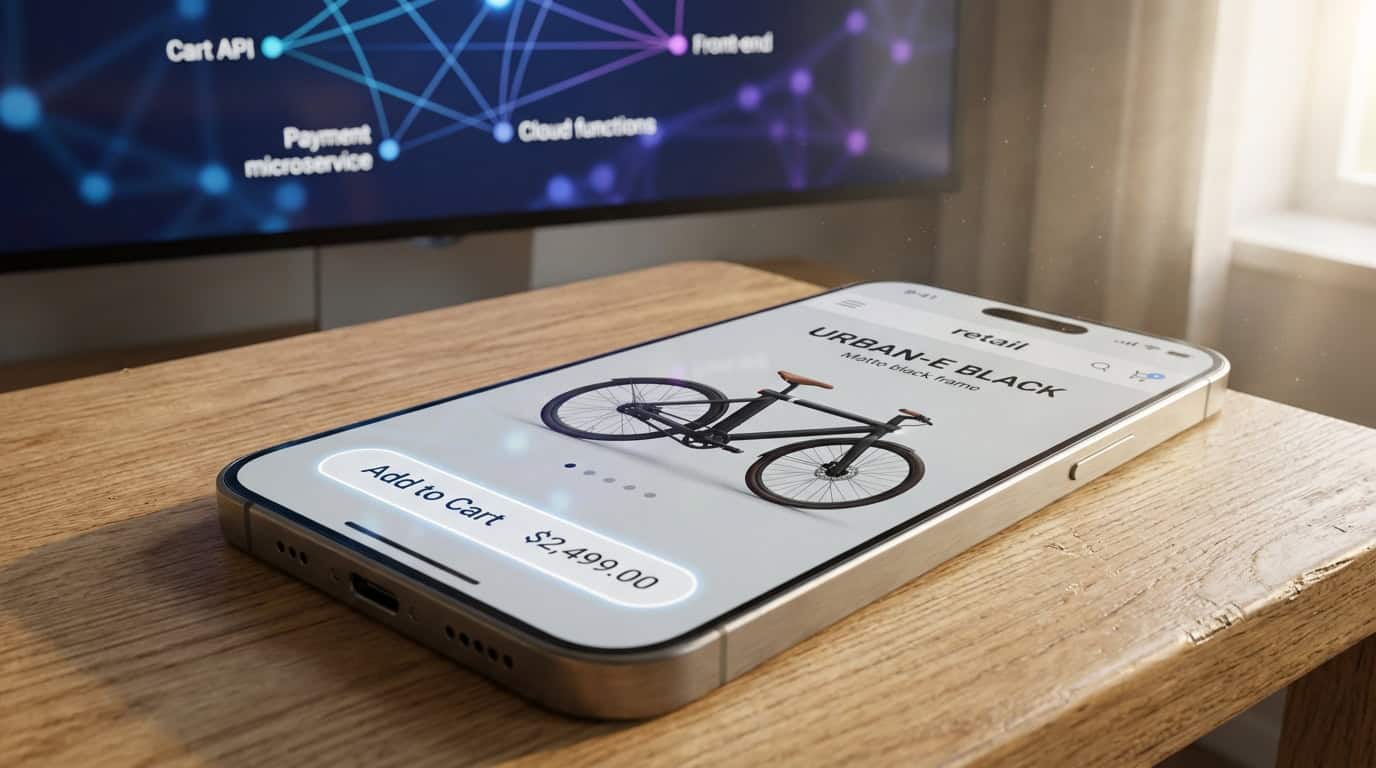
Modern enterprise growth requires a departure from rigid, monolithic systems in favor of the agile MACH framework. By adopting a Microservices based and API first approach, businesses can decouple frontend experiences from their core commerce logic to achieve unparalleled technical freedom. This architecture allows developers to swap out or upgrade individual components, such as payment gateways or inventory modules, without risking the stability of the entire ecosystem. Cloud native environments further ensure that these systems are built for global scale and high availability from the very first day.
The strategic shift to headless flexibility bridges the gap between traditional content management and high volume transactional services. By leveraging robust APIs, brands can deliver consistent product data to diverse touchpoints including mobile apps, specialized IoT devices, and sophisticated web frontends. This modularity means that your engineering team can focus on creating high performance user experiences while the backend handles complex order processing in the background. Enterprise clients benefit from a future proof stack that evolves alongside market trends rather than being held back by legacy code.
Implementing these modern principles transforms the ecommerce engine into a collection of specialized services that communicate seamlessly through a unified API layer. This design eliminates the bottlenecks common in coupled architectures, where a single change to the frontend could potentially break backend operations. With a headless foundation, businesses gain the speed necessary to launch new features rapidly across multiple channels simultaneously. Ultimately, this technical maturity enables a more responsive business model that can meet the demands of a global, digital first customer base.
Integrating Headless WordPress With Commerce Engines
Combining WordPress with specialized commerce engines like Shopify or BigCommerce allows enterprise brands to leverage the world’s most intuitive content management system alongside a robust, secure transactional backend. This architecture decouples the creative presentation layer from complex logic, giving marketing teams the freedom to build immersive brand stories without risking the stability of the checkout process. By utilizing an API-first approach, businesses can deliver high-performance product displays and rich editorial content that traditional monolithic platforms simply cannot match. This strategic separation ensures that your storefront remains agile, allowing for rapid updates to the user interface while the commerce engine handles heavy lifting like inventory and tax calculations.
Adopting this headless model provides a scalable foundation that grows with the demands of a modern global marketplace. Enterprise clients benefit from the peace of mind that comes with using a dedicated commerce backend for sensitive data handling, while WordPress serves as the flexible engine for SEO and customer engagement. This hybrid setup eliminates the trade-offs often found in all-in-one solutions, where either the content tools or the commerce features feel like an afterthought. By integrating these specialized systems, developers can build bespoke, lightning-fast shopping experiences across multiple channels including mobile apps and IoT devices. The resulting infrastructure is not only more secure but also significantly more resilient to the shifting trends of digital retail.
Driving Omnichannel Success via API Delivery
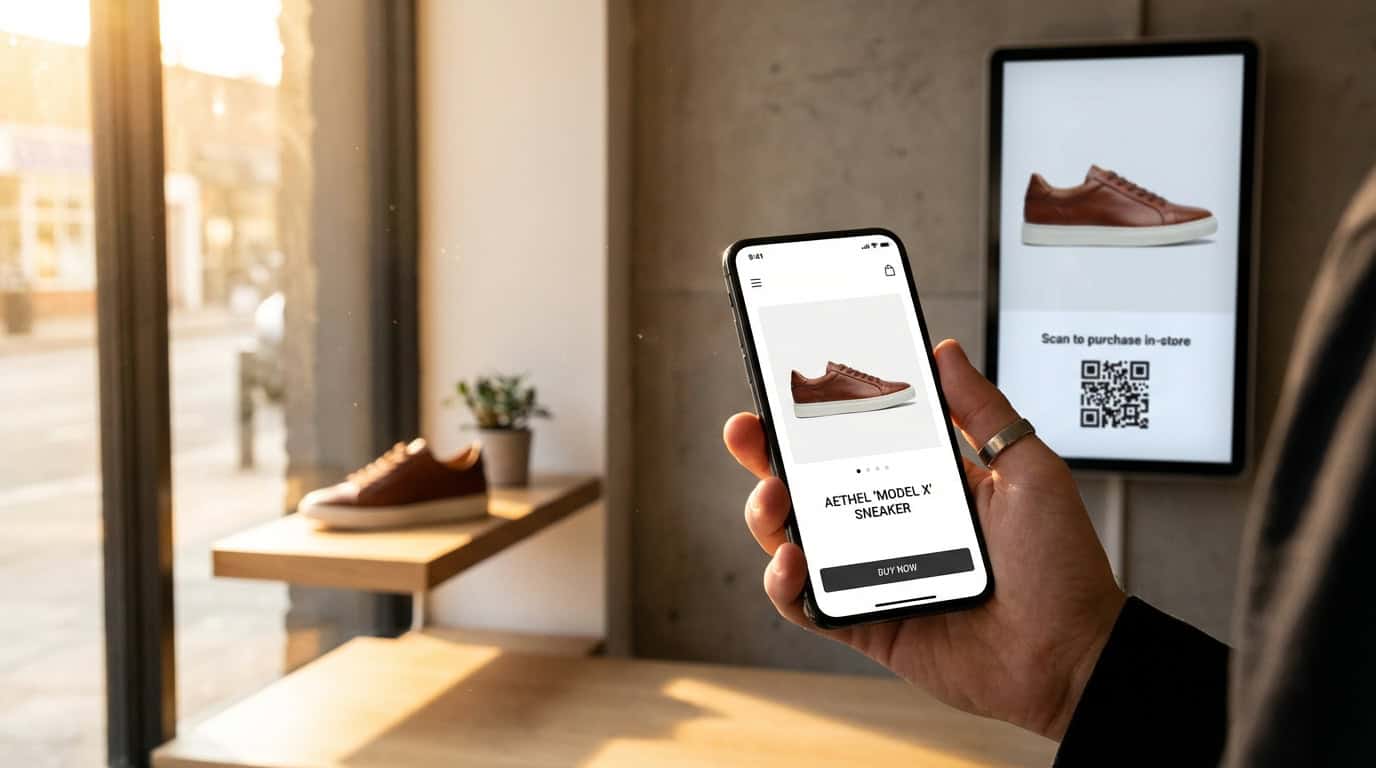
Modern enterprise growth relies on the ability to deliver consistent product data across an ever expanding array of digital touchpoints. By decoupling the frontend presentation layer from backend logic, a headless architecture allows businesses to push synchronized information to mobile apps, social commerce platforms, and smart devices via high performance APIs. This API first approach ensures that a change made in the central product catalog is instantly reflected across every consumer interface without requiring manual updates for each individual channel. It transforms the backend into a single source of truth that feeds a diverse ecosystem of high value user experiences.
Shifting to a headless stack empowers developers to build specialized frontends that are optimized for specific hardware and user behaviors. Instead of being limited by the rigid templates of a monolithic platform, teams can use modern frameworks like React or Vue to create lightning fast interfaces for kiosks or wearable IoT devices. This flexibility is essential for enterprise brands that need to scale their operations quickly while maintaining a cohesive brand identity across disparate global markets. By leveraging microservices and cloud native infrastructure, companies can ensure their digital storefronts remain resilient and responsive during high traffic events or rapid expansions.
The true power of headless commerce lies in its ability to future proof a business against emerging technologies and shifting consumer habits. As new shopping channels like voice assistants or augmented reality environments gain traction, an API driven architecture allows for seamless integration without a total system overhaul. This modularity reduces technical debt and enables a more agile development cycle where frontend innovations can happen independently of backend maintenance. Ultimately, adopting a headless strategy bridges the gap between traditional web management and the sophisticated, multi channel demands of the modern digital economy.
Unlocking Enterprise Agility Through Headless Innovation
Transitioning to a headless ecommerce architecture represents a strategic shift for enterprise brands that have outgrown the limitations of traditional, monolithic systems. By decoupling the frontend presentation layer from backend operational logic, businesses gain the freedom to innovate without risking the stability of their core data. This separation allows developers to deploy high-performance storefronts that load faster and offer more intuitive user journeys. High-growth enterprises can finally move away from rigid templates and embrace a bespoke digital presence that truly reflects their brand identity. The result is a more agile organization that can respond to market shifts in real time while maintaining a robust technological foundation.
Modern commerce demands a presence across multiple touchpoints, from mobile applications to emerging IoT devices and social platforms. A headless approach facilitates this omnichannel strategy by using APIs to deliver consistent product data to any screen or interface. This flexibility ensures that as your business scales, your technical infrastructure supports expansion rather than acting as a bottleneck. Teams can iterate on the user experience independently, testing new features and layouts without needing to reconfigure the entire backend database. This modularity is essential for maintaining a competitive edge in an increasingly crowded global marketplace.
Adopting an API-first model aligns your ecommerce strategy with modern web standards, ensuring long-term scalability and security. By integrating specialized microservices for payments, inventory, and content management, you create a resilient ecosystem that is easier to maintain and upgrade. This architecture bridges the gap between traditional content management and advanced commerce, offering the best of both worlds for sophisticated digital strategies. Investing in a headless framework is not just about improving current performance, it is about future-proofing your business against the next wave of digital disruption. Enterprise leaders who prioritize this agility will find themselves better positioned to capture new opportunities and drive sustained growth.
Frequently Asked Questions
1. What is headless ecommerce architecture?
Headless ecommerce is an architectural approach where you decouple the frontend presentation layer from the backend commerce logic. This separation allows you to manage core operations like payments and inventory independently from the user interface.
2. How does decoupling the frontend and backend benefit my business?
By breaking the link between these layers, you gain the creative freedom to build bespoke storefronts without being restricted by rigid templates. This agility allows your developers to use modern frameworks like React or Vue to deliver highly customized shopping experiences.
3. What role do APIs play in a headless setup?
APIs act as the essential bridge that transmits data between your backend commerce engine and various frontend touchpoints. This API-first strategy ensures that your product information, pricing, and checkout logic remain consistent across every digital channel you manage.
4. Can headless architecture improve my website performance?
Yes, isolating the backend logic allows you to optimize the frontend for lightning-fast load times and superior Core Web Vitals. Because the presentation layer is not weighed down by heavy backend processes, you can deliver the high-performance experiences that modern customers expect.
5. How does a headless approach support omnichannel commerce?
A headless architecture enables you to scale your brand across mobile apps, social commerce, and IoT devices simultaneously. You can use a single backend source of truth to power multiple unique storefronts, ensuring a seamless experience for customers regardless of how they shop.
6. What does it mean for a tech stack to be MACH-aligned?
A MACH-aligned strategy focuses on Microservices, API-first, Cloud-native, and Headless principles to ensure your technology remains future-proof. This modular approach allows you to update or replace specific components of your stack without disrupting your entire operational foundation.